
电池预警

Search documents
理想MEGA起火,电池预警是否失灵成谜
第一财经· 2025-10-30 05:28
Core Viewpoint - The article discusses a recent incident involving a Li Auto MEGA vehicle catching fire, raising concerns about the effectiveness of battery management systems (BMS) in alerting drivers to potential battery issues before they escalate into dangerous situations [3][5]. Group 1: Incident Overview - A Li Auto MEGA vehicle experienced a fire during operation, resulting in total destruction of the vehicle and its contents, but fortunately no injuries occurred [3]. - There are conflicting reports regarding whether the vehicle had previously issued fault codes and whether the owner was informed about the need for service [3][5]. Group 2: Role of BMS - The BMS is crucial for monitoring battery health, collecting data on temperature and voltage, and issuing warnings if parameters exceed safe thresholds [4][7]. - Different automakers have varying BMS designs, which affects how and when battery warnings are communicated to drivers [5][8]. Group 3: Battery Warnings vs. Alarms - "Battery warnings" indicate minor issues that allow continued operation, while "battery alarms" signal serious problems that require immediate action [9]. - The distinction between warnings and alarms is significant, as many drivers may not take warnings seriously, potentially leading to more severe issues [8][9]. Group 4: Regulatory Standards and Safety - The article highlights the lack of standardized battery warning protocols across manufacturers, which can lead to inconsistencies in how battery issues are communicated [10][11]. - Recent updates to national safety standards for electric vehicle batteries have been made, focusing on improving safety measures and testing protocols [11][12]. Group 5: Industry Insights - Industry experts emphasize the importance of enhancing BMS capabilities to improve early detection of battery issues, which can help mitigate risks [13]. - The article suggests that improving battery design and materials can also contribute to overall safety and reduce the likelihood of thermal runaway incidents [13].


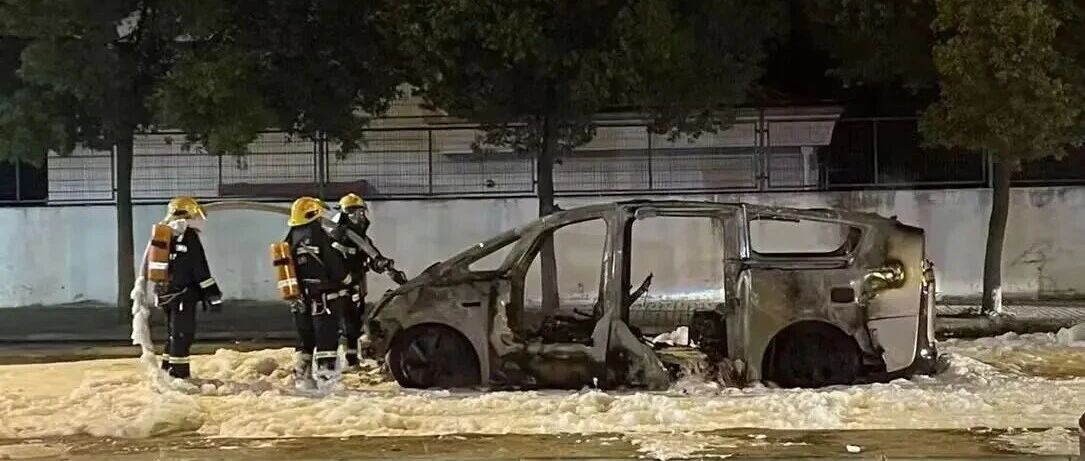
理想MEGA起火,电池预警是否失灵成谜
Di Yi Cai Jing· 2025-10-30 05:09
Core Viewpoint - The incident involving the Ideal MEGA vehicle raises concerns about the effectiveness of battery warning systems and communication with vehicle owners regarding potential risks [1][2]. Group 1: Incident Overview - A fire incident occurred with an Ideal MEGA vehicle, resulting in total destruction of the vehicle and its contents, but no injuries were reported [1]. - There are conflicting reports regarding whether the vehicle owner received prior warning signals about battery issues before the incident [1][2]. Group 2: Battery Management System (BMS) - The BMS plays a crucial role in monitoring battery conditions, collecting data on temperature and voltage, and issuing warnings if thresholds are exceeded [2][3]. - Different automakers have varying BMS designs, leading to inconsistencies in how battery warnings are communicated to vehicle owners [3][4]. Group 3: Warning and Alarm Distinction - There is a distinction between "battery warning" (indicating minor issues) and "battery alarm" (indicating serious problems), with the former allowing continued vehicle operation under certain conditions [5][6]. - The probability of a vehicle experiencing a fault increases significantly if it continues to operate after receiving a battery warning [5]. Group 4: Regulatory and Safety Standards - The number of electric vehicle fire incidents has been significant, with 640 reported in the first quarter of 2022 alone [5]. - Recent updates to national standards for battery safety have introduced stricter requirements for thermal management and emergency response [5][6]. Group 5: Industry Insights - The effectiveness of battery safety measures relies on the design and implementation of BMS systems, which vary by manufacturer [6][7]. - Enhancements in BMS technology and battery design are essential for improving safety and reducing the likelihood of thermal runaway incidents [7].