
理想MEGA

Search documents
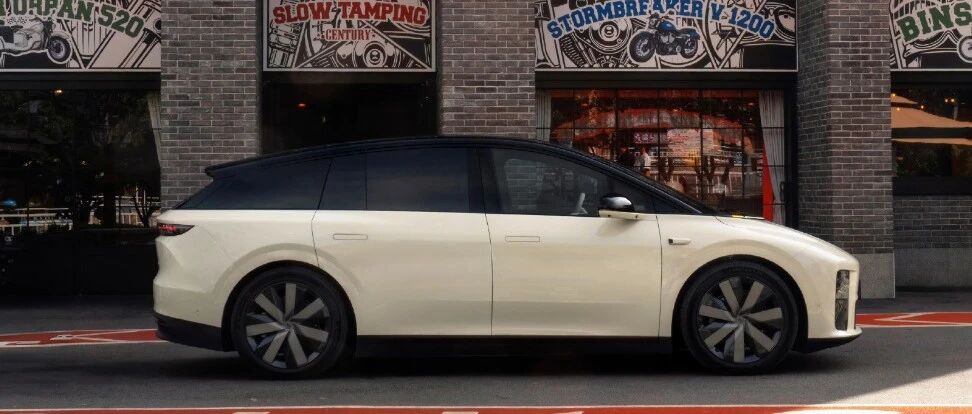
理想汽车推出理想MEGA 5年0息方案
Di Yi Cai Jing· 2026-04-01 05:09
Group 1 - The company Li Auto has announced a limited-time offer for its model MEGA, allowing customers to enjoy a 5-year interest-free financing plan for orders placed until April 30 [1]

老汤哥发言印证着理想企业文化底色是堂堂正正做事
理想TOP2· 2026-03-27 08:36
Core Viewpoint - The article discusses the misleading narrative surrounding the safety of Li Auto vehicles, particularly focusing on consumer perceptions and the company's responses to safety concerns [2][9]. Group 1: Consumer Misleading and Safety Perception - On December 21, 2023, a significant public sentiment emerged regarding the safety of Li Auto vehicles, leading to consumer misconceptions about their safety [2][9]. - Li Auto's response included a demonstration on April 18, 2024, where the L6 model performed a dramatic safety test to counteract negative perceptions, which was deemed somewhat effective [3]. - The company acknowledged that such demonstrations, while effective, were misleading in terms of actual safety standards, as the underlying safety levels of their vehicles are high [3][4]. Group 2: Internal Reflections and Company Culture - The head of Li Auto's first product line expressed discomfort with the company's approach, stating, "We have become the people we do not like," indicating a conflict between personal values and corporate strategies [4]. - Li Auto's founder emphasizes the importance of integrity and creating products that the company can be proud of, which influences the company's public communications [5]. - The head of the first product line openly criticized the charging experience of the MEGA model, highlighting issues without attempting to cover them up, reflecting a culture of transparency [6]. Group 3: Technical Comparisons and Industry Standards - The article details a series of technical comparisons made by Li Auto to address safety concerns, including comparisons of suspension systems with competitors like BMW and Rolls-Royce [10]. - Li Auto's strategy includes addressing specific criticisms about their vehicle designs and materials, asserting that their use of materials is comparable to high-end brands [10].

李想不再沉默:从股份回购到新品周期,理想的主动定价时刻
美股研究社· 2026-03-25 11:50
Core Viewpoint - The article argues that a company in a growth cycle, like Li Auto, engaging in a significant stock buyback is a proactive move to assert pricing power rather than a defensive strategy to stabilize stock prices [1][5]. Group 1: Buyback Strategy - Li Auto's decision to authorize a $1 billion stock buyback signals confidence in its valuation, suggesting that the current stock price does not reflect the company's potential [3][5]. - The buyback is framed as a narrative reconstruction, shifting from a passive response to market pressures to an active stance on pricing [5][8]. - This capital operation is seen as a hedge against cyclical fluctuations, aiming to lock in valuation bottoms ahead of expected liquidity improvements in the market [7][8]. Group 2: Product Cycle and Market Position - The timing of the buyback coincides with the end of an old product cycle and the upcoming launch of new products, which is expected to set the stage for future growth [9]. - The focus will shift to key variables such as the launch of the Li L6, which is crucial for penetrating the broader family user market [9][10]. - The company is also expected to address its pure electric vehicle strategy, particularly following the MEGA model's challenges, to ensure it can compete effectively in the evolving market landscape [10][11]. Group 3: Long-term Vision - Li Auto aims to transition from merely selling cars to becoming a high-frequency smart terminal, focusing on user experience and intelligent features [12][13]. - This strategic shift aligns with a broader vision of redefining its market position, similar to how Apple redefined its business model beyond just selling devices [13][14]. - The success of this strategy will depend on sustained improvements in customer loyalty and the company's ability to evolve into a platform-oriented technology company [14]. Group 4: Future Outlook - The effectiveness of the buyback will ultimately depend on the company's ability to translate this proactive move into tangible growth through product performance and market validation [16]. - The upcoming months will be critical in determining whether this buyback is a strategic advantage or merely a defensive measure [16].
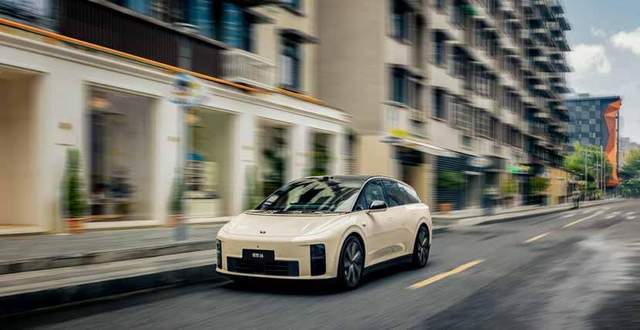
理想汽车的“新10年”:创业精神是根基,经营模式是关键
Sou Hu Cai Jing· 2026-03-23 11:57
Core Viewpoint - Li Auto faces significant challenges as its Q3 2025 financial results reveal a decline in revenue, gross profit, and net profit, marking the first loss after surpassing 100 billion yuan in revenue [3][4][8] Financial Performance - In Q3 2025, Li Auto reported revenue of 27.4 billion yuan, a year-on-year decrease of 36.2% and a quarter-on-quarter decrease of 9.5% [3] - Gross profit fell to 4.5 billion yuan, down 51.6% year-on-year and 26.3% quarter-on-quarter [3] - The net loss was 624 million yuan, contrasting with a profit of 2.8 billion yuan in the same quarter of 2024 [3] - Vehicle deliveries totaled 93,211 units, a 39% year-on-year decline, failing to reach the 100,000-unit mark for the quarter [3][4] Comparison with Competitors - Competitors such as XPeng and NIO showed strong growth, with XPeng's revenue reaching 20.38 billion yuan, a year-on-year increase of over 100%, and NIO's revenue at 21.79 billion yuan, a 16.7% increase [4][5] - Li Auto's performance contrasts sharply with XPeng's delivery of 116,007 units and NIO's 87,071 units, both achieving significant year-on-year growth [4][5] Strategic Insights - Li Auto's Q3 loss is partly attributed to a recall of over 11,000 units of the 2024 MEGA model, which incurred an estimated loss of 1.1 billion yuan [8] - The company is focusing on transitioning to pure electric products and enhancing its supply chain, with R&D expenses exceeding 3 billion yuan in Q3 [9][10] - Li Auto's cash reserves stood at 98.9 billion yuan as of Q3 2025, providing a financial buffer for strategic decisions [10] Management Philosophy - CEO Li Xiang emphasized a return to an entrepreneurial management model, suggesting that the current professional management approach has not suited the company's needs [15][19] - The entrepreneurial model is characterized by deep dialogue, user value focus, efficiency enhancement, and addressing key issues directly [19][21] Future Outlook - Li Auto aims to leverage its cash reserves and shift its operational model to adapt to the evolving automotive landscape, particularly in the realm of embodied intelligence [31] - The company is set to invest heavily in AI and self-developed technologies, including the M100 AI chip and a comprehensive battery system, to support its transition [26][30]
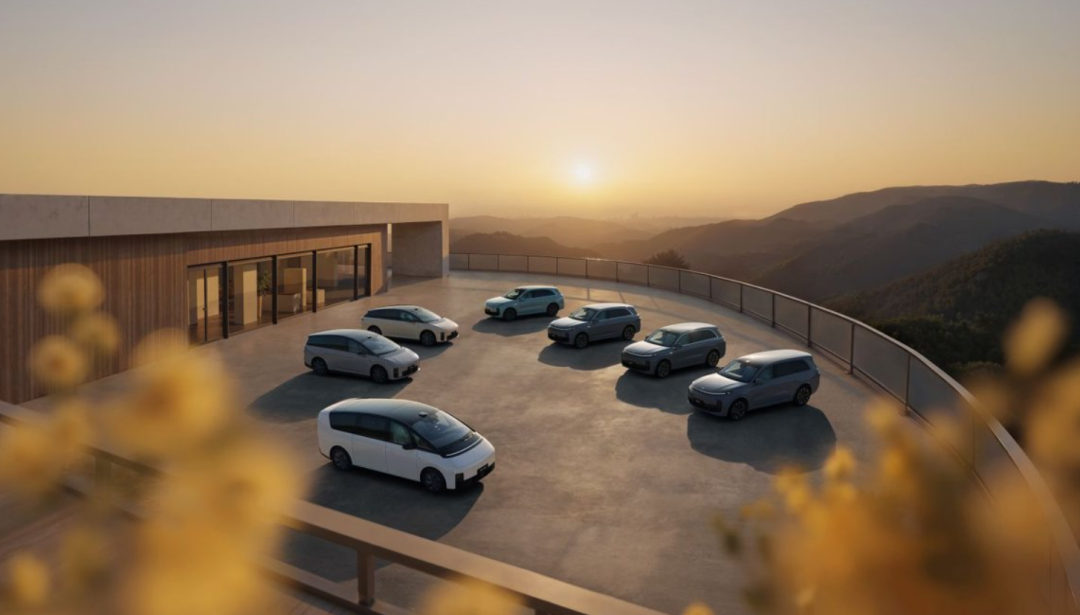
汽车行业月报:淡季产销阶段性承压,车企陆续披露年报-20260323
Zhongyuan Securities· 2026-03-23 09:15
Group 1: Industry Performance Review - The automotive industry index (CITIC) fell by 8.13% as of March 20, underperforming the CSI 300 index by 5.08 percentage points, ranking 17th among 30 CITIC primary industries [4][11] - The automotive sector has seen a year-to-date decline of 5.22%, also underperforming the CSI 300 index by 3.87 percentage points [11] - The top five performing stocks in the automotive sector for the month include Nabichuan, Fulim Precision, BYD, Hailun Zhe, and Xuelong Group [4][16] Group 2: Key Data Tracking - In February 2026, automotive production and sales were 1.672 million and 1.805 million units, respectively, down 31.7% and 23.1% month-on-month, and down 20.5% and 15.2% year-on-year [6][30] - The passenger car market showed weak performance, with production and sales of 1.4 million and 1.536 million units in February 2026, down 32.1% and 22.7% month-on-month, and down 21.6% and 15.4% year-on-year [6][44] - The commercial vehicle market remained stable, with production and sales of 273,000 and 270,000 units in February 2026, down 29.7% and 24.9% month-on-month, but down only 14.1% and 14.0% year-on-year [6][56] - New energy vehicle production and sales in February 2026 were 695,000 and 765,000 units, respectively, down 21.8% and 14.2% year-on-year, with a penetration rate of 42.37% [6][63] Group 3: Investment Recommendations - The report maintains a "stronger than market" investment rating for the automotive industry, highlighting ongoing efforts to regulate competition in the new energy vehicle sector and promote high-quality development [6][82] - Key investment focuses include vehicle manufacturers with global capabilities and technological innovation, as well as sectors with strong growth potential such as intelligent driving and core components [6][6] - The report suggests that if growth sectors experience sufficient adjustments and sentiment returns to low levels, it may present a strategic window for phased investments at low valuations [6][6]
理想汽车2025年营收1123亿元
Jing Ji Wang· 2026-03-23 06:31
Core Viewpoint - Li Auto reported a revenue of 112.3 billion yuan and a net profit of 1.1 billion yuan for the fourth quarter and the entire year of 2025, marking it as the only new force car company in China to achieve over 100 billion yuan in revenue and profitability for three consecutive years [1] Financial Performance - Revenue for 2025 reached 112.3 billion yuan, with a net profit of 1.1 billion yuan [1] - Cash reserves at the end of 2025 amounted to 101.2 billion yuan, the highest among Chinese electric vehicle companies [1] - R&D investment for the year was 11.3 billion yuan, a historical high, with 50% allocated to AI-related projects [1][3] Strategic Transition - 2025 is identified as a critical year for the company's transformation from an automotive enterprise to an embodied intelligence enterprise, with significant progress in restructuring the entire operational chain [1] - The company has focused on addressing operational pain points in its direct sales system to facilitate growth [1] R&D and Technological Advancements - Li Auto's R&D investment over the past three years totaled 33 billion yuan, averaging 1 billion yuan spent every three days, emphasizing a commitment to breakthroughs in embodied intelligence core technologies [3][5] - The self-developed Mach 100 chip is set to begin mass production in Q2 2025, offering three times the effective computing power of Nvidia's Thor-U chip [5] - The company has established a full-stack self-research capability in chips, compilers, operating systems, and foundational models, enhancing its ability to customize AI computing power [5] Product Development - The new generation Li Auto L9 Livis, priced at 559,800 yuan, is set to launch in Q2 2025, representing a significant upgrade in user experience and targeting the high-end market [6][8] - The L9 Livis features advanced 3D perception systems and is equipped with two self-developed Mach 100 chips, providing 5 to 6 times the computing power of competing chips [8] - The company aims to leverage its existing product recognition to drive growth through both extended-range and pure electric vehicles, with cumulative orders for the i6 and i8 surpassing 100,000 units [8][9] Future Outlook - The company is positioned to return to a growth trajectory in 2026, with a focus on realizing three years of technological accumulation [9] - The launch of the new generation L9, equipped with the Mach 100 chip, is expected to enhance the company's technological framework and mission to create better products and services for users [9]
【2025年四季报点评/理想汽车】业绩符合预期,构建具身智能完整AI系统
东吴汽车黄细里团队· 2026-03-19 14:15
Core Viewpoint - The article discusses the financial performance and strategic adjustments of Li Auto, highlighting short-term revenue pressures and ongoing organizational and technological innovations aimed at enhancing its core competitiveness in embodied intelligence [3][4][5]. Financial Performance - In Q4 2025, Li Auto achieved revenue of 28.78 billion yuan, with a year-over-year decline of 35.0% and a quarter-over-quarter increase of 5.2%. The automotive sales revenue was 27.25 billion yuan, down 36.1% year-over-year but up 5.4% quarter-over-quarter [3]. - The total vehicle deliveries in Q4 2025 reached 109,000 units, reflecting a year-over-year decrease of 31.2% but a quarter-over-quarter increase of 17.1%. The average selling price (ASP) per vehicle was 250,000 yuan, down 7.1% year-over-year and 10.1% quarter-over-quarter, primarily due to an increased sales proportion of lower-priced models [3]. - The net profit attributable to the parent company was 20 million yuan, returning to profitability quarter-over-quarter, while the Non-GAAP net profit was 270 million yuan, with a per-vehicle profit of 300 yuan, down 90% year-over-year due to changes in product structure [3]. Profitability and Cost Management - The company's gross margin in Q4 2025 was 17.8%, down 2.5 percentage points year-over-year but up 1.5 percentage points quarter-over-quarter. The gross margin for vehicle sales was 16.8%, down 2.9 percentage points year-over-year but up 1.3 percentage points quarter-over-quarter, mainly due to declining sales and an increased proportion of lower-priced models [4]. - In terms of cost control, the R&D expense ratio and SG&A expense ratio for Q4 2025 were 10.5% and 9.2%, respectively, with year-over-year increases of 5.0 and 2.2 percentage points, while remaining stable quarter-over-quarter [4]. Strategic Initiatives - The company is committed to deepening organizational innovation and technological self-research to solidify its core competitiveness in embodied intelligence. Key initiatives include a major restructuring of the R&D system by January 2026, integrating various functions into four major systems [5][6]. - The talent strategy involves promoting younger employees to key positions and implementing profit-sharing mechanisms, with a goal of seeing significant improvements by Q3 2026 [6]. - Technological advancements include breakthroughs in the M100 chip, which has improved operational parameters and computational capacity significantly, leading to cost reductions of over 1,000 yuan per vehicle [6]. Revenue and Profit Forecast - The company maintains a revenue forecast of 138.1 billion yuan for 2026, representing a year-over-year increase of 23%. However, the revenue forecast for 2027 has been revised down to 173.7 billion yuan from the previous 191.2 billion yuan, reflecting a year-over-year increase of 26% [7]. - The net profit forecasts for 2026 and 2027 have been adjusted down to 30 million yuan and 2.8 billion yuan, respectively, with the 2028 net profit forecast set at 5.3 billion yuan, indicating a year-over-year increase of 86% [7].

理想汽车-W:Q4 环比扭亏,关注双“9”新车-20260316
HTSC· 2026-03-16 13:25
Investment Rating - The report maintains a "Buy" rating for the company with a target price of 78.42 HKD [7][5]. Core Insights - The company reported total revenue and net profit for 2025 at 112.3 billion and 1.1 billion RMB, respectively, reflecting a year-on-year decline of 22% and 86% due to intensified competition in the high-end market [1][5]. - In Q4 2025, the company achieved revenue of 28.8 billion RMB, down 35% year-on-year but improved from a net loss of 600 million RMB in Q3 2025 to a net profit of 20 million RMB, indicating a recovery [1][2]. - The company is focusing on the "9" series products to regain market share in the high-end segment, with the new models L9 and L9 Livis set to launch in Q2 2026 [3][4]. Financial Performance - Q4 2025 saw vehicle sales of 109,000 units, a decrease of 31% year-on-year but an increase of 17% quarter-on-quarter, driven by the delivery of models i6 and i8 [2][3]. - The gross margin for Q4 2025 was 17.8%, down 2.5 percentage points year-on-year but up 1.5 percentage points quarter-on-quarter, attributed to a reduction in the impact of the Q3 MEGA recall [2][4]. - The company expects to deliver between 80,000 to 83,000 vehicles in Q1 2026, although inventory pressure is anticipated to remain significant [2][5]. Profitability Forecast - Revenue estimates for 2026 and 2027 have been adjusted to 135.9 billion and 153.5 billion RMB, respectively, reflecting a decrease of 1% and 19% [5][12]. - The forecast for GAAP net profit has been revised down to 1.5 billion and 4.2 billion RMB for 2026 and 2027, representing a reduction of 51% and 59% [5][12]. - Non-GAAP net profit estimates have also been lowered to 2.7 billion and 5.6 billion RMB for 2026 and 2027, with a projected increase to 10 billion RMB by 2028 [5][12]. Valuation Metrics - The report employs a comparable company valuation method, assigning a price-to-sales (PS) ratio of 1.1x for 2026, reflecting a 20% premium over the average of comparable companies [5][15]. - The average PS for comparable companies is noted to be 0.9x for 2026, with the company’s target price adjusted from 84.80 HKD to 78.42 HKD [5][15]. Strategic Developments - The company is enhancing its autonomous driving technology, with the AD Pro 4.0 system being rolled out to L series vehicles, marking a significant advancement in urban driving assistance capabilities [4][3]. - The introduction of self-developed M100 chips in new models is expected to reduce costs and improve performance, with a focus on achieving over 400 km of pure electric range [3][4].
理想汽车-W(02015):Q4环比扭亏,关注双“9”新车
HTSC· 2026-03-16 12:52
Investment Rating - The report maintains a "Buy" rating for the company with a target price of 78.42 HKD [7]. Core Insights - The company reported total revenue and net profit for 2025 at 112.3 billion and 1.1 billion RMB, respectively, reflecting a year-on-year decline of 22% and 86% due to intensified competition in the high-end market [1][7]. - In Q4 2025, the company achieved revenue of 28.8 billion RMB, down 35% year-on-year but improved from a net loss of 600 million RMB in Q3 2025 to a net profit of 20 million RMB, indicating a recovery [1][2]. - The company is focusing on the "9" series products for 2026, aiming to regain market share in the high-end segment, with the new models expected to launch in Q2 2026 [3]. Financial Performance - Q4 2025 saw vehicle sales of 109,000 units, a decrease of 31% year-on-year but an increase of 17% quarter-on-quarter, driven by the delivery of models i6 and i8 [2]. - The gross margin for Q4 2025 was reported at 17.8%, down 2.5 percentage points year-on-year but up 1.5 percentage points quarter-on-quarter, attributed to a reduction in the impact of the Q3 MEGA recall [2][4]. - The company anticipates delivering 80,000 to 83,000 vehicles in Q1 2026, although inventory pressure is expected to remain significant [2]. Profitability Forecast - The revenue forecast for 2026 and 2027 has been adjusted to 135.9 billion and 153.5 billion RMB, respectively, reflecting a decrease of 1% and 19% [5][12]. - The GAAP net profit estimates for 2026 and 2027 have been revised down to 1.5 billion and 4.2 billion RMB, representing a reduction of 51% and 59% [5][12]. - Non-GAAP net profit projections for the same periods have also been lowered to 2.7 billion and 5.6 billion RMB, with adjustments of 42% and 55% [5][12]. Valuation - The report employs a comparable company valuation method, assigning a 20% premium to the average PS of 0.9x for comparable companies, resulting in a PS of 1.1x for the company [5][15]. - The target price of 78.42 HKD reflects this valuation approach, adjusted from a previous target of 84.80 HKD [5].
汽车早报|比亚迪正在评估入局F1 理想MEGA电池召回完成率已超97.5%
Xin Lang Cai Jing· 2026-03-16 00:39
Group 1 - The China Automobile Circulation Association launched a special initiative called "Standard Protection, Transparent Consumption" to protect consumer rights, involving over 40 member companies in the used car and auto parts sectors [1] - The initiative includes commitments from used car companies to provide complete vehicle history reports and guarantees against major accidents and flood damage, while appraisal agencies promise objective results and video documentation of the inspection process [1] - Consumers can easily access the public service platform to check the standards and quality commitments of participating companies [1] Group 2 - In February, the average retail price of passenger cars reached 180,000 yuan, an increase of 15,000 yuan year-on-year, with projections indicating a rise to 184,000 yuan in 2024 before a slight decline to 170,000 yuan in 2025 [1] - The average price for luxury cars is expected to decrease from 358,000 yuan in 2025 to 344,000 yuan in February 2026, while the average price for new energy vehicles is projected to rise from 241,000 yuan in 2025 to 259,000 yuan in February 2026 [1] Group 3 - BYD is evaluating the feasibility of entering the Formula 1 racing scene, aligning with its technology-first strategy, and is considering either acquiring an existing team or starting a new one [2] - The company has not made a final decision yet but is actively researching the potential involvement in top-tier motorsport [2] Group 4 - Zhejiang Provincial Government signed a strategic framework agreement with Geely Holding Group to enhance cooperation in technology and industry innovation, aiming to develop a world-class automotive manufacturing cluster [3] - The agreement focuses on leveraging Zhejiang's advantages in business environment and Geely's strengths in smart manufacturing and new energy technologies [3] Group 5 - GAC Group reported a negative gross margin for 2025 due to a 22.83% decline in sales of its self-owned brand passenger cars, increased promotional expenses, and rising production costs [4] - The company’s average promotional investment per vehicle increased by 5 percentage points compared to the previous year, failing to boost sales and further compressing profit margins [4] - Fixed costs per vehicle rose by over 40% year-on-year, exacerbated by high raw material prices and underutilized production capacity [4] Group 6 - Aito's M7 model has achieved cumulative deliveries exceeding 430,000 units, with the model available in both extended-range and pure electric versions starting at 279,800 yuan [6] - Li Auto reported a recall completion rate of over 97.5% for its MEGA battery, with 11,411 vehicles involved in the recall due to potential safety hazards [6] - Lucid Group announced a new Midsize platform with three models, starting at under $50,000, and is negotiating with Uber for deployment in autonomous taxi services [7]

