盗采国家资源

Search documents
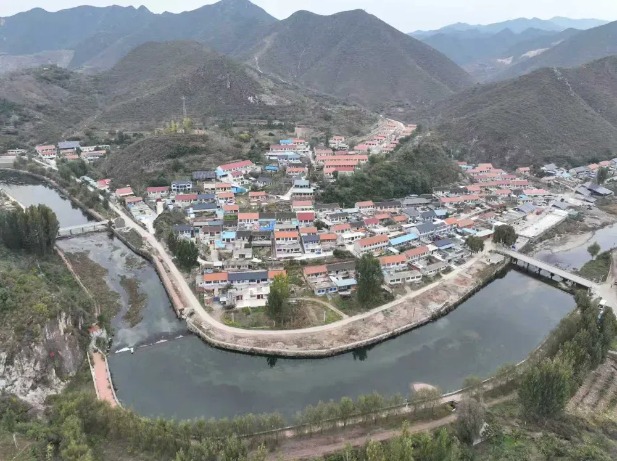
山村的秘密:“地下水里有金子” 村民大肆盗采地下水 大户年入上百万
Xin Jing Bao· 2025-11-16 23:58
Core Viewpoint - The phenomenon of "water extraction for gold" in Qingheyan Village, Hebei, has been driven by rising gold prices, leading to increased illegal extraction of groundwater and potential environmental risks [1][2][19]. Group 1: Water Extraction Process - Villagers in Qingheyan use deep wells to extract groundwater, which is then processed through activated carbon to extract gold [1][10]. - The extraction process involves significant electricity consumption, with some households reporting monthly electricity usage exceeding 10,000 kWh [17][21]. - The village has seen a surge in the number of deep wells and larger pumps to maximize gold extraction, indicating a competitive environment among villagers [24][23]. Group 2: Environmental and Regulatory Concerns - Experts warn that the extraction process may lead to groundwater depletion and pollution, as the waste water from gold extraction is discharged into local rivers [2][36]. - The lack of water extraction permits for most deep wells raises legal and environmental concerns, as unauthorized extraction of groundwater is considered illegal [30][35]. - Local authorities have attempted to regulate the situation, but enforcement has been ineffective, with villagers continuing to dig new wells despite warnings [34][32]. Group 3: Economic Impact - The rising gold prices have made previously unprofitable mining operations economically viable, prompting villagers to engage in gold extraction [19][36]. - Villagers report significant profits from gold extraction, with some earning upwards of 200,000 yuan annually, driven by the high market price of gold [19][18]. - The economic activity surrounding "water extraction for gold" has created a business ecosystem, including suppliers of water pumps and activated carbon [26][27].