
生态破坏

Search documents
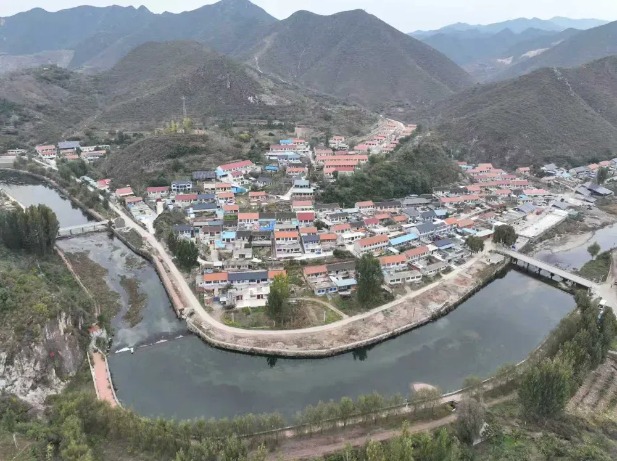
山村的秘密:“地下水里有金子” 村民大肆盗采地下水 大户年入上百万
Xin Jing Bao· 2025-11-16 23:58
Core Viewpoint - The phenomenon of "water extraction for gold" in Qingheyan Village, Hebei, has been driven by rising gold prices, leading to increased illegal extraction of groundwater and potential environmental risks [1][2][19]. Group 1: Water Extraction Process - Villagers in Qingheyan use deep wells to extract groundwater, which is then processed through activated carbon to extract gold [1][10]. - The extraction process involves significant electricity consumption, with some households reporting monthly electricity usage exceeding 10,000 kWh [17][21]. - The village has seen a surge in the number of deep wells and larger pumps to maximize gold extraction, indicating a competitive environment among villagers [24][23]. Group 2: Environmental and Regulatory Concerns - Experts warn that the extraction process may lead to groundwater depletion and pollution, as the waste water from gold extraction is discharged into local rivers [2][36]. - The lack of water extraction permits for most deep wells raises legal and environmental concerns, as unauthorized extraction of groundwater is considered illegal [30][35]. - Local authorities have attempted to regulate the situation, but enforcement has been ineffective, with villagers continuing to dig new wells despite warnings [34][32]. Group 3: Economic Impact - The rising gold prices have made previously unprofitable mining operations economically viable, prompting villagers to engage in gold extraction [19][36]. - Villagers report significant profits from gold extraction, with some earning upwards of 200,000 yuan annually, driven by the high market price of gold [19][18]. - The economic activity surrounding "water extraction for gold" has created a business ecosystem, including suppliers of water pumps and activated carbon [26][27].

风景这边独好(大地风华)
Ren Min Ri Bao· 2025-09-30 22:02
Core Insights - The article reflects on the historical and ecological changes in regions like the Juyanhai and Chulu River, emphasizing the impact of climate change and human activities on these landscapes [1][2][3][4][5] Group 1: Historical Context - The Juyanhai, once over 1000 square kilometers during the Tang Dynasty, has shrunk significantly due to climate change, ultimately drying up [1] - The Chulu River area, historically a home for nomadic tribes, has seen drastic changes due to climate fluctuations, leading to reduced pastures and forced migrations [2][3] Group 2: Ecological Changes - The transition from nomadic lifestyles to agriculture in the Chulu River region has transformed the landscape, with farming replacing traditional herding practices [3][4] - Ecological degradation has occurred due to overexploitation of resources, but recent restoration efforts since 2012 have begun to revive the area's natural beauty [4][5] Group 3: Future Outlook - There is optimism regarding the ecological restoration efforts, which have led to a resurgence of biodiversity and a healthier environment in the Chulu River area [4][5] - The article suggests that the ongoing changes in these regions reflect broader trends in ecological recovery and sustainable practices across the country [5]
国家出手3位首富被抓!有些已入外籍,原因曝光,早该迎来这一天
Sou Hu Cai Jing· 2025-07-21 10:59
Group 1 - Huang Guangyu, once a prominent figure in China's retail industry, founded Gome Electrical Appliances, which became a significant player in the home appliance retail market during the rapid economic growth of the 1990s [3][5] - Gome's business model of "low prices and high sales" disrupted traditional retail channels, leading to rapid expansion and a peak of several hundred stores across major cities in China [5][7] - Huang's ambition led to the establishment of Pengrun Investment Co., which diversified into various sectors, and he became the richest person in mainland China after Gome's successful IPO in Hong Kong [7][9] Group 2 - Huang Guangyu's aggressive expansion plans required substantial funding, prompting him to seek loans through dubious means, including falsifying asset transactions [9][11] - The fraudulent activities were eventually uncovered, leading to Huang's arrest in 2008 for multiple charges, including illegal operations and insider trading [11][13] - In 2010, he was sentenced to 14 years in prison, resulting in Gome losing its leadership and gradually fading from the market [13][15] Group 3 - Ma Shaowei, a businessman from Qinghai, sought to exploit the lucrative coal resources in the Qilian Mountains, despite strict environmental regulations [17][19] - He disguised illegal mining operations under the pretense of ecological restoration, leading to significant environmental degradation and substantial personal profits [19][21] - In 2021, Ma was sentenced to 6 years and 6 months in prison for illegal mining and bribery, with his assets seized to recover illegal gains [25][27] Group 4 - Cao Peifeng and her husband, once successful in the manufacturing sector, turned to stock market manipulation for personal gain after their company went public [27][29] - Their illegal activities were detected by regulatory authorities, resulting in fines and the eventual decision by Cao to turn herself in while preparing for potential escape [29][30] - The narrative illustrates how individuals who once achieved success can lose their moral compass and face severe consequences for their actions [32][34]

中央第三生态环境保护督察组向山东省交办第二批群众信访举报件情况
Qi Lu Wan Bao Wang· 2025-05-29 09:16
Group 1 - The central ecological environment protection inspection team has assigned a total of 64 new complaint cases to Shandong Province, with 5 being key focus cases [1] - The complaint cases involve various cities in Shandong, including Jinan, Qingdao, and Linyi, among others, highlighting a widespread concern over environmental issues [1] - The key focus cases include significant environmental concerns such as water resource waste and pollution from chemical plants [1] Group 2 - Cumulatively, the inspection team has assigned 81 complaint cases to Shandong Province, with 5 being key focus cases, indicating ongoing environmental scrutiny [2] - The total number of environmental issues reported has reached 89, with a notable increase in air and water pollution cases [2] - The distribution of complaints shows a significant concentration in cities like Jinan and Qingdao, reflecting regional environmental challenges [2]