
盲盒饭局

Search documents
不想一人食的北上广年轻人,爱上59元一次的盲盒饭局
36氪· 2025-11-21 00:02
Core Insights - The article discusses the emerging trend of "blind box dining" events in major Chinese cities, where participants are randomly assigned dining partners based on their interests and preferences, creating a unique social experience [5][12][38]. Group 1: Concept and Structure - "Blind box dining" involves participants paying a fee (ranging from 39 to 59 yuan) to join a meal where they only discover their dining companions and restaurant on the day of the event [5][6]. - Organizers collect detailed questionnaires from participants to match them based on dietary preferences, personality traits, and social expectations, ensuring a diverse mix of attendees [18][19][21]. - The format encourages spontaneous conversations and connections, with participants engaging in various topics from personal interests to deeper philosophical discussions [31][33]. Group 2: Popularity and Expansion - The trend has gained traction in cities like Beijing, Shanghai, and other emerging urban areas, with organizers like "整点薯条" successfully hosting over 10,000 events since their inception [14][36]. - The popularity of these events reflects a growing demand for social interactions among young people, who seek to expand their social circles beyond their usual networks [28][38]. Group 3: Participant Experience - Participants come with varied intentions, from seeking new friendships to simply enjoying a meal, highlighting the multifaceted nature of social dining experiences [28][31]. - The events often lead to unexpected connections, with some participants forming lasting friendships or even romantic relationships [38][39]. - However, not all experiences are profound; some participants find the interactions to be superficial, focusing more on the dining experience than on meaningful connections [40][41]. Group 4: Business Opportunities - The rise of blind box dining presents commercial opportunities for organizers, who can partner with restaurants to provide quality dining experiences while also monetizing the social aspect of the events [36][38]. - Organizers are exploring collaborations with brands and local businesses to enhance the dining experience and create additional revenue streams [36].

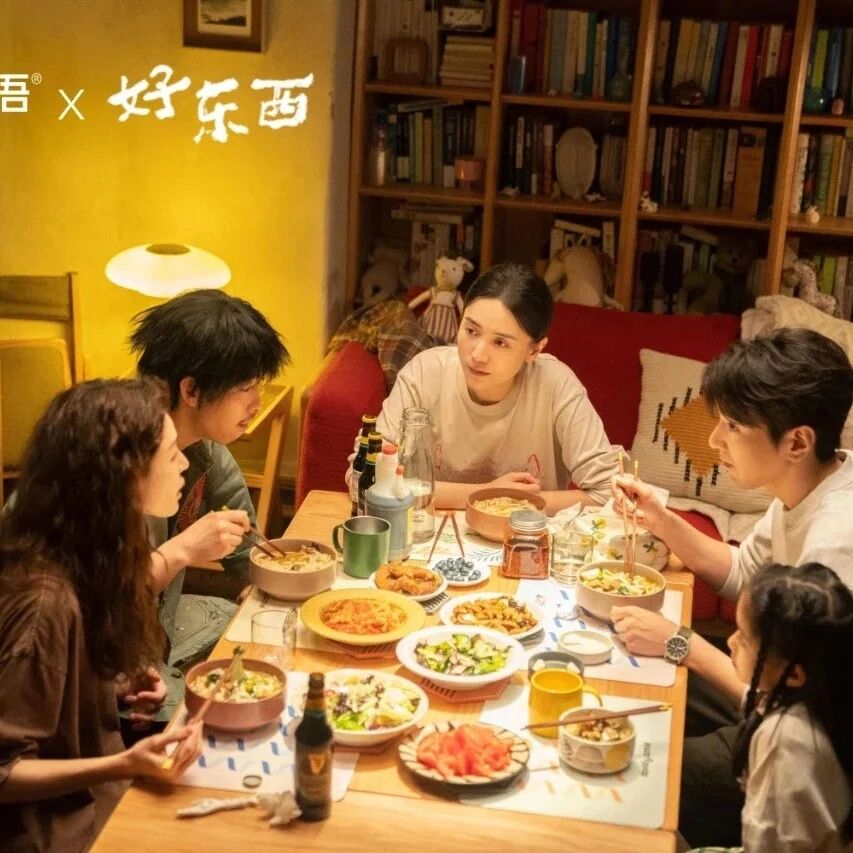
随机约饭不预设主题 盲盒饭局成年轻人社交新玩法
Zhong Guo Xin Wen Wang· 2025-08-06 01:10
Core Viewpoint - The "Blind Box Dinner" is a new social activity gaining popularity among young people, characterized by its randomness and the mystery of meeting strangers, which offers a fresh social experience [1][4]. Group 1: Concept and Appeal - The "Blind Box Dinner" allows participants to engage without prior knowledge of who they will dine with or what they will eat, creating a unique social experience [1][4]. - The appeal lies in its simplicity and direct social logic, where participants embrace the unknown and are open to forming new friendships [1][5]. - Participants enjoy the thrill of discovering contrasting traits among their dinner companions, which adds to the fun of the experience [4][6]. Group 2: Participant Insights - Participants choose to join the "Blind Box Dinner" for various reasons, including the desire for new experiences that familiar social circles cannot provide [5][6]. - Many participants, such as Mei Zi and Li Zhi, express that the event helps them relieve stress and offers a refreshing break from their usual social interactions [5][6]. - The demographic of participants is primarily young adults aged 22 to 35, with a notable presence of highly educated individuals who are more inclined to explore self-discovery through social activities [7]. Group 3: Event Organization and Feedback - The "Blind Box Dinner" is organized by a team called "Zhengdian Shuitiao," which uses a detailed questionnaire to match participants based on their interests and personality traits [7]. - Feedback from participants has been overwhelmingly positive, with 92% giving top ratings, indicating a strong appreciation for the unique social interactions offered [8]. - Participants report that the experience provides them with new perspectives and opportunities to connect with individuals from diverse backgrounds [8][9]. Group 4: Social Dynamics and Expectations - While many participants find value in the experience, there is a general understanding that forming lasting friendships from a single dinner is challenging [10][11]. - Participants like Ou Chen and Mei Zi acknowledge that maintaining connections after the event requires additional effort, as initial interactions may not lead to further meetings [10][11]. - The concept of "phase-based friendships" is embraced, where individuals accept that not all social interactions will lead to deep connections, reflecting the modern social landscape [11].