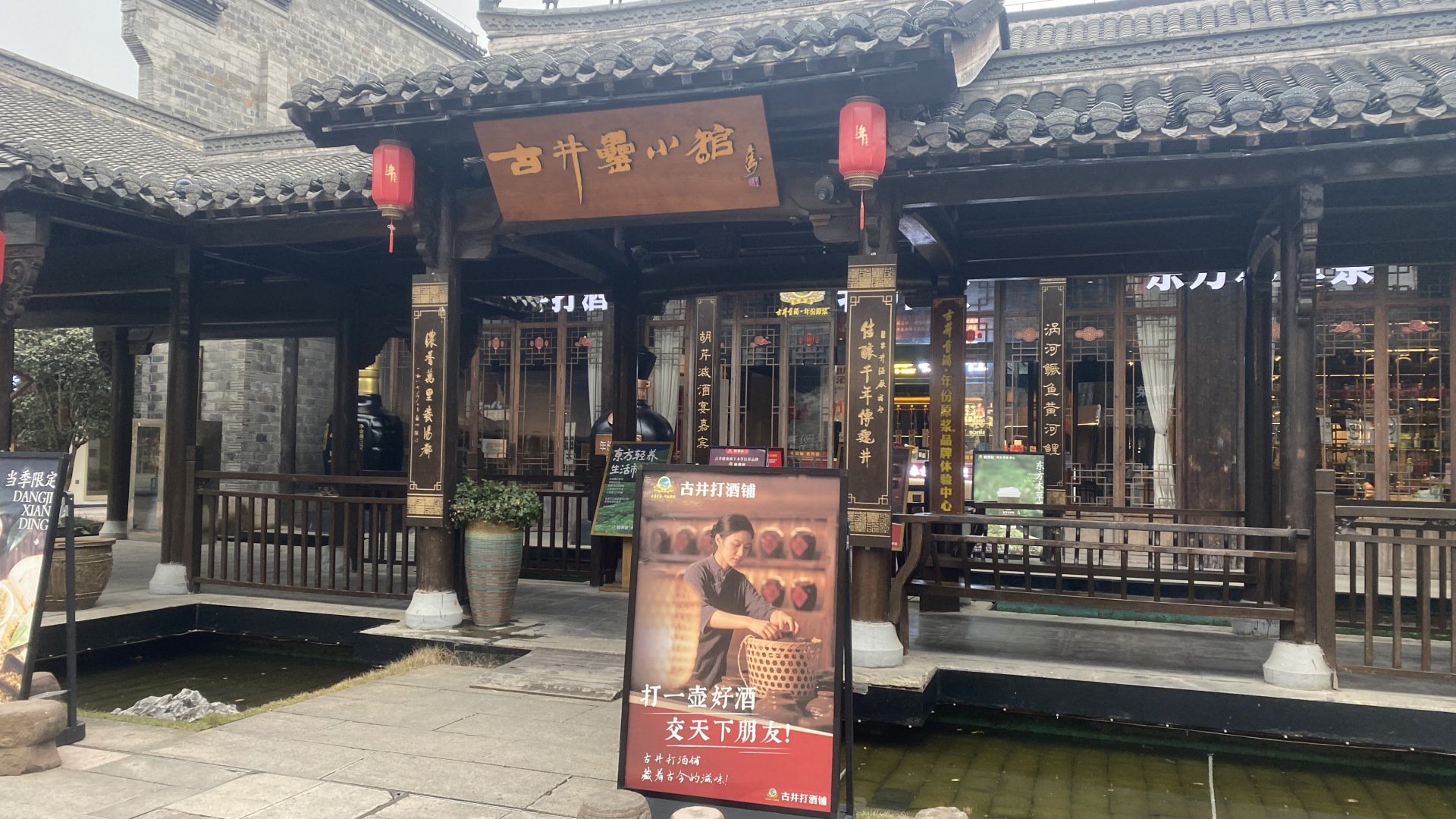
直营打酒铺模式

Search documents
徽酒“巷战”新打法:一周内古井贡酒、口子窖争开直营酒铺,散酒会是第二增长曲线吗?
Mei Ri Jing Ji Xin Wen· 2025-12-13 03:52
Core Insights - The article discusses the recent trend of traditional liquor companies in Anhui, China, exploring new business models in response to market saturation and changing consumer preferences, particularly focusing on the launch of "liquor shops" that sell bulk liquor directly to consumers [1][7][9] Group 1: New Business Models - Gujing Gongjiu opened its first "Gujing Liquor Shop" in Bozhou, adopting a "front store, back workshop" model, allowing for on-site liquor sales [2][5] - Kouzi Jiu launched its first "Kouzi Liquor Workshop" in Huai Bei, emphasizing community engagement and selling bulk liquor directly [5][8] - Yingjia Gongjiu has also entered the bulk liquor market with multiple stores in Hefei, offering competitive pricing for bulk liquor [5][7] Group 2: Consumer Engagement and Trends - The new liquor shops aim to attract younger consumers by offering interactive experiences such as DIY activities and free tastings [2][3] - The pricing strategy for bulk liquor ranges from 2.9 yuan to 29.9 yuan per 50 milliliters, catering to a variety of consumer preferences [3][5] - Analysts suggest that these new models are a response to the shift towards lighter, more personalized drinking experiences, moving away from traditional heavy consumption scenarios [7][8] Group 3: Strategic Intent and Market Challenges - The strategic intent behind these new liquor shops is to strengthen brand interaction with consumers and adapt to the challenges posed by market saturation and the loss of younger customers [7][8] - The operational models differ, with Gujing focusing on a trendy retail experience and Kouzi emphasizing traditional craftsmanship and cultural storytelling [7][8] - Challenges include high operational costs, potential conflicts with traditional distribution channels, and the need to change consumer perceptions of bulk liquor [8][9]