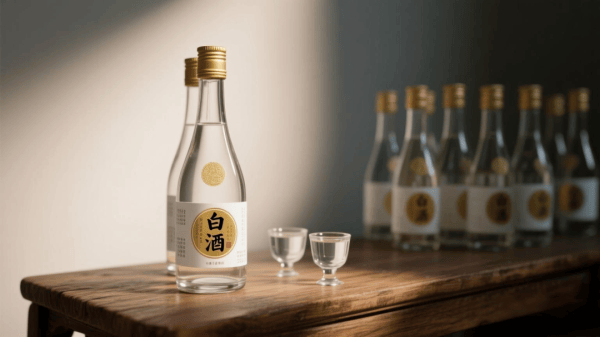
古井贡酒年份原浆系列

Search documents
徽酒“巷战”新打法:一周内古井贡酒、口子窖争开直营酒铺,散酒会是第二增长曲线吗?
Mei Ri Jing Ji Xin Wen· 2025-12-13 03:52
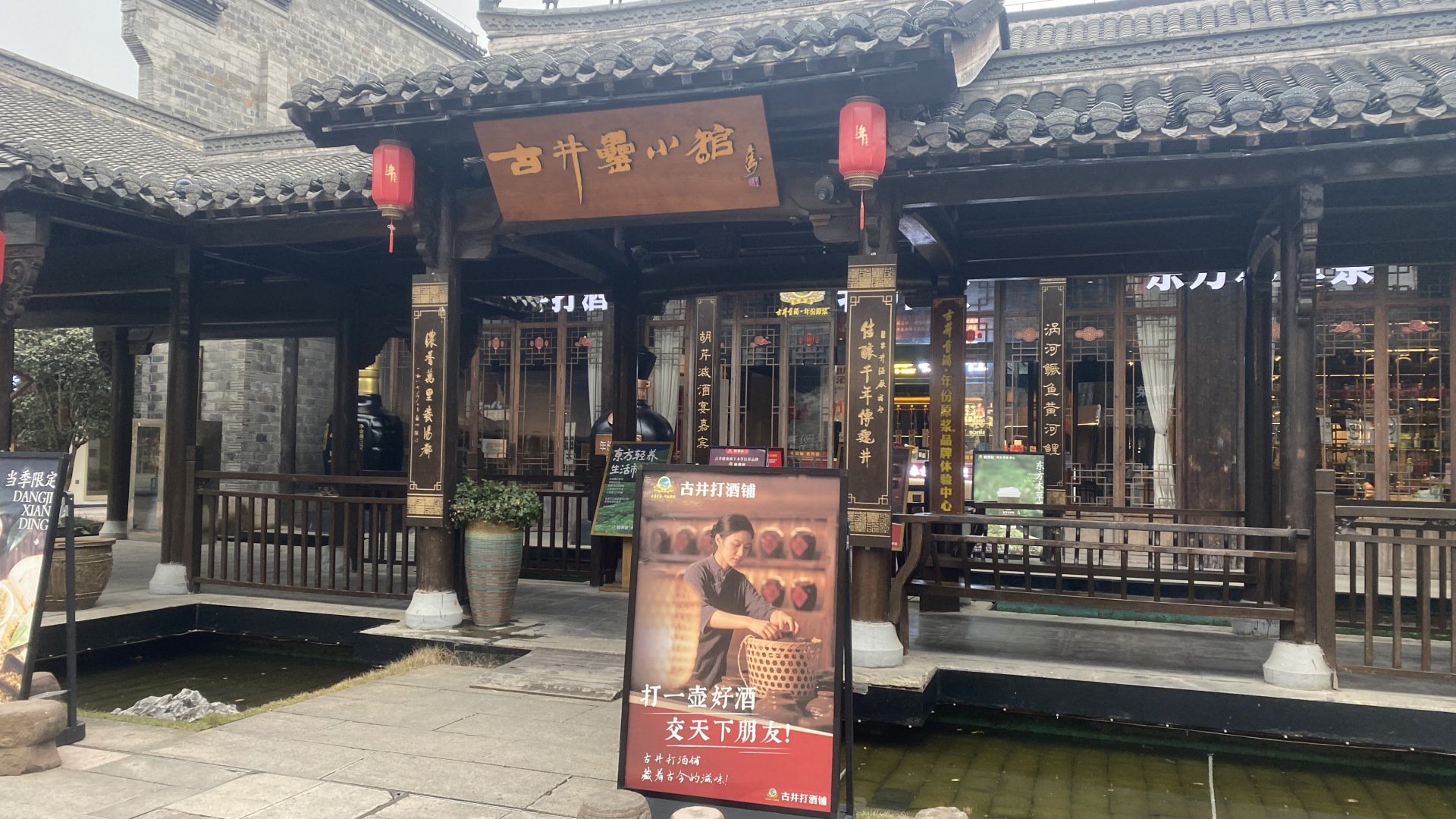
Core Insights - The article discusses the recent trend of traditional liquor companies in Anhui, China, exploring new business models in response to market saturation and changing consumer preferences, particularly focusing on the launch of "liquor shops" that sell bulk liquor directly to consumers [1][7][9] Group 1: New Business Models - Gujing Gongjiu opened its first "Gujing Liquor Shop" in Bozhou, adopting a "front store, back workshop" model, allowing for on-site liquor sales [2][5] - Kouzi Jiu launched its first "Kouzi Liquor Workshop" in Huai Bei, emphasizing community engagement and selling bulk liquor directly [5][8] - Yingjia Gongjiu has also entered the bulk liquor market with multiple stores in Hefei, offering competitive pricing for bulk liquor [5][7] Group 2: Consumer Engagement and Trends - The new liquor shops aim to attract younger consumers by offering interactive experiences such as DIY activities and free tastings [2][3] - The pricing strategy for bulk liquor ranges from 2.9 yuan to 29.9 yuan per 50 milliliters, catering to a variety of consumer preferences [3][5] - Analysts suggest that these new models are a response to the shift towards lighter, more personalized drinking experiences, moving away from traditional heavy consumption scenarios [7][8] Group 3: Strategic Intent and Market Challenges - The strategic intent behind these new liquor shops is to strengthen brand interaction with consumers and adapt to the challenges posed by market saturation and the loss of younger customers [7][8] - The operational models differ, with Gujing focusing on a trendy retail experience and Kouzi emphasizing traditional craftsmanship and cultural storytelling [7][8] - Challenges include high operational costs, potential conflicts with traditional distribution channels, and the need to change consumer perceptions of bulk liquor [8][9]


“王健林们”退场,万亿房地产消费遇冷,中国白酒未来增量在哪?
Sou Hu Cai Jing· 2025-09-29 07:49
Core Viewpoint - The decline of the real estate industry in China has significantly impacted the high-end liquor market, leading to a need for transformation and new consumption drivers in the liquor sector [1][4][7]. Group 1: Real Estate and Liquor Industry Interconnection - The real estate sector's growth has historically driven the high-end liquor market, with a notable increase in business-related consumption [2][4]. - From 2004 to 2013, real estate investment surged over 520%, while the liquor industry experienced a "golden decade" with production up 293%, revenue up 719%, and profits soaring 1272% [5]. - The collapse of major real estate companies like Evergrande and the subsequent economic downturn have led to a significant decline in the liquor industry, which is now facing intense competition and adjustment [7][8]. Group 2: Current State of the Liquor Industry - As of early 2025, the number of large-scale liquor enterprises has decreased to 887, with a slight revenue increase of 0.19% but a significant profit drop of 10.93% [8]. - Major liquor companies have initiated strategic transformations, focusing on new consumer demographics, international markets, and affordable product lines to adapt to changing market conditions [10][11][12]. Group 3: Strategic Transformations in the Liquor Industry - Companies like Moutai are targeting new consumer groups in emerging industries and enhancing personalized service offerings [10]. - The liquor industry is also expanding its international presence, with initiatives aimed at promoting Chinese liquor globally [10]. - There is a growing emphasis on affordable products, with several brands launching new offerings to capture the mass market [11][12]. Group 4: Future Outlook and Challenges - Despite initial successes in transformation, the liquor industry faces ongoing challenges, including the need to find new consumption drivers to replace the real estate sector [14]. - The export market for Chinese liquor is still in its infancy, and the profitability of mass-market products lags behind that of premium offerings [14].