濉溪大曲

Search documents
口子窖发布年度业绩预告
YOUNG财经 漾财经· 2026-01-09 11:09
Core Viewpoint - The liquor industry is undergoing a deep adjustment, with Kuozi Jiao's 2025 annual profit forecast indicating a significant decline in net profit, expected to drop by 50% to 60% compared to the previous year [4][5]. Financial Performance - Kuozi Jiao's estimated net profit for 2025 is projected to be between 6.62 billion and 8.28 billion yuan, a decrease of 8.28 billion to 9.93 billion yuan from the previous year [4]. - In the first three quarters of 2025, Kuozi Jiao reported a net profit of 7.42 billion yuan, down 43.39% year-on-year, indicating a worsening trend in the fourth quarter [5][10]. - The company's revenue for the first three quarters was 31.74 billion yuan, a decline of 27.24% year-on-year, with a significant drop in third-quarter revenue by 46.23% [10][11]. Sales and Market Dynamics - High-end liquor sales have severely declined, with sales revenue for high-end products dropping nearly 28% in the first three quarters of 2025 [7][8]. - Kuozi Jiao's high-end liquor sales accounted for approximately 95% of total sales, making the decline in this segment critical for overall revenue and profit [8]. - The company faced challenges in both domestic and external markets, with sales in Anhui province down 27.24% and outside Anhui down 23.93% [9]. Channel and Inventory Issues - Kuozi Jiao's wholesale and agency channel revenue fell by 29.7%, despite an increase in the number of distributors [10]. - The company's inventory reached a peak of 62.18 billion yuan, indicating potential overstock issues [10]. - The net cash flow from operating activities turned negative at -3.9 billion yuan, compared to a positive 3.58 billion yuan in the previous year, highlighting cash flow pressures [13]. Strategic Adjustments - Kuozi Jiao is focusing on strategic upgrades in market, structure, and brand to navigate the challenging environment [15][16]. - The company is implementing community brand activities and optimizing product design to enhance market presence [16]. - A new direct sales model through "Kuozi Wine Workshop" aims to capture local demand and improve sales dynamics [16][17]. Industry Context - The liquor industry is experiencing a significant downturn, with a reported 13.8% decline in production in November 2025 [15]. - The overall market is characterized by demand contraction, high inventory levels, and sluggish sales, affecting many regional liquor companies [15].



白酒股年报“首只黑天鹅”:口子窖净利预降50%-60%
Feng Huang Wang· 2026-01-07 15:12
Core Viewpoint - The liquor industry is undergoing significant adjustments, and the first earnings forecast from a major player, Kuozi Jiao, indicates a projected net profit decline of over 50% for 2025, prompting the company to shift focus towards the bulk liquor market [1][2]. Group 1: Earnings Forecast - Kuozi Jiao expects a net profit of between 662 million to 828 million yuan for 2025, representing a year-on-year decrease of 50% to 60% [1]. - The company's net profit after deducting non-recurring items is projected to be between 645 million to 811 million yuan, reflecting a decline of 49.65% to 59.93% year-on-year [1]. - The decline in performance is attributed to market segmentation, intensified channel changes, demand downturn, and policy shifts, leading to a significant drop in sales of high-end products [1]. Group 2: Previous Performance - For the first three quarters of 2025, Kuozi Jiao reported revenues of 3.174 billion yuan, down 27.24% year-on-year, and a net profit of 742 million yuan, down 43.39% year-on-year [2]. - The third quarter alone saw revenues of 643 million yuan, a decline of 46.23%, and a net profit of 26.97 million yuan, down 92.55%, marking the worst quarterly performance since 2016 [2]. - The earnings deterioration exceeded most broker expectations, with a consensus forecast of 1.081 billion yuan, indicating a 34.71% decline [2]. Group 3: Strategic Shift - In response to the declining performance, Kuozi Jiao is targeting the bulk liquor market, having opened its first direct-operated "Kuozi Liquor Workshop" in Huai Bei, Anhui, focusing on pure grain bulk liquor and community experiences [2]. - The strategy aims to rebuild terminal touchpoints and regain control over pricing, display, and sales data while addressing low-end demand to prevent market share loss to competing brands [3].
白酒股年报“首只黑天鹅”:口子窖净利预降50%-60%!弱于多数券商预估
Xin Lang Cai Jing· 2026-01-07 14:26
Core Viewpoint - The white liquor industry is undergoing significant adjustments, with Kuozi Jiao (口子窖) forecasting a more than 50% decline in net profit for 2025, prompting a shift towards the bulk liquor market to mitigate losses [1][2]. Financial Performance - Kuozi Jiao's 2025 net profit is projected to be between 662 million to 828 million yuan, representing a year-on-year decrease of 50% to 60% [1]. - The company's net profit after deducting non-recurring items is expected to be between 645 million to 811 million yuan, reflecting a decline of 49.65% to 59.93% [1]. - For the first three quarters of 2025, Kuozi Jiao reported revenue of 3.174 billion yuan, down 27.24% year-on-year, and a net profit of 742 million yuan, down 43.39% year-on-year [2]. - The third quarter alone saw revenue drop to 643 million yuan, a 46.23% decline, and net profit plummeting to 26.97 million yuan, a staggering 92.55% decrease [2]. - The fourth quarter is expected to yield a net profit ranging from -7.991 million to 8.559 million yuan, indicating a potential year-on-year decline of approximately 75% [2]. Market Strategy - In response to declining performance, Kuozi Jiao is focusing on the bulk liquor sector, having opened its first direct-operated "Kuozi Liquor Workshop" in Huai Bei, Anhui, aimed at providing community-based experiences and catering to the demand for affordable liquor [2]. - The strategy involves a "manufacturer direct + high-frequency repurchase of bulk liquor" approach to regain control over pricing, display, and sales data, while also addressing low-end market needs to prevent market share loss to competing brands [3].
徽酒三国杀,决战社区“最后一公里”
阿尔法工场研究院· 2025-12-22 00:03
Core Viewpoint - The Anhui liquor industry is collectively shifting towards community-focused sales models, with companies like Kuozi Jiao, Gujing Gongjiu, and Yingjia Gongjiu opening local liquor shops to directly engage with consumers [1][10]. Group 1: Market Dynamics - The traditional sales model relied heavily on distributors, but the new "liquor shop" approach requires companies to engage directly with consumers, shifting from brand-centric to retail-centric thinking [1][2]. - The competitive landscape has changed significantly, with Kuozi Jiao's market position declining, Gujing Gongjiu leading in scale and growth, and Yingjia Gongjiu surpassing Kuozi Jiao to become the second-largest player [5][6]. Group 2: Financial Performance - In the first three quarters of 2025, Kuozi Jiao reported a revenue of 3.174 billion yuan and a net profit of 742 million yuan, reflecting year-on-year declines of 27.24% and 43.39% respectively, with a 92.55% drop in net profit for Q3 [8][12]. - Gujing Gongjiu's revenue was 16.425 billion yuan and net profit 3.96 billion yuan, down 13.87% and 16.57% year-on-year [8]. - Yingjia Gongjiu's revenue reached 4.516 billion yuan with a net profit of 1.511 billion yuan, showing declines of 18.09% and 24.67% respectively [9]. Group 3: Consumer Behavior and Market Trends - The demand for liquor has slowed, with a notable decrease in corporate group purchases and business banquets, leading to a reassessment of consumption structures towards community retail and personal consumption [16][17]. - The competition among Anhui liquor brands is shifting from scale expansion to intense competition at the retail level [18]. - The traditional year-end negotiations between liquor companies and distributors are changing, with companies adopting a more cautious approach in setting sales targets [19]. Group 4: Strategic Implications - Kuozi Jiao's move to open community liquor shops symbolizes a strategic shift to regain direct consumer engagement amid market pressures [14][20]. - The industry faces a critical challenge in transitioning from a reliance on wholesale distribution to a focus on direct sales and consumer engagement [21][22].



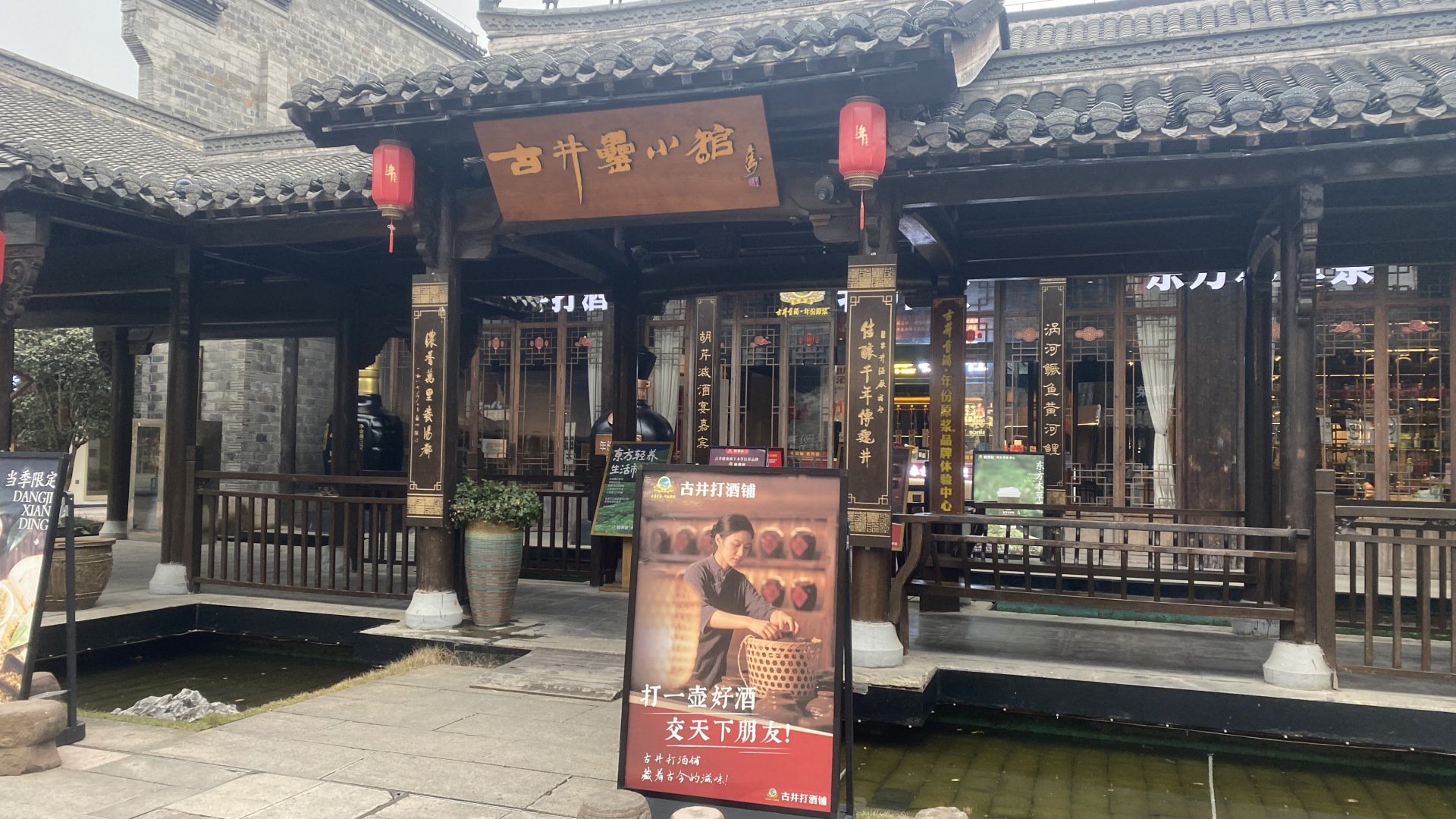
徽酒“巷战”新打法:一周内古井贡酒、口子窖争开直营酒铺,散酒会是第二增长曲线吗?
Mei Ri Jing Ji Xin Wen· 2025-12-13 03:52
Core Insights - The article discusses the recent trend of traditional liquor companies in Anhui, China, exploring new business models in response to market saturation and changing consumer preferences, particularly focusing on the launch of "liquor shops" that sell bulk liquor directly to consumers [1][7][9] Group 1: New Business Models - Gujing Gongjiu opened its first "Gujing Liquor Shop" in Bozhou, adopting a "front store, back workshop" model, allowing for on-site liquor sales [2][5] - Kouzi Jiu launched its first "Kouzi Liquor Workshop" in Huai Bei, emphasizing community engagement and selling bulk liquor directly [5][8] - Yingjia Gongjiu has also entered the bulk liquor market with multiple stores in Hefei, offering competitive pricing for bulk liquor [5][7] Group 2: Consumer Engagement and Trends - The new liquor shops aim to attract younger consumers by offering interactive experiences such as DIY activities and free tastings [2][3] - The pricing strategy for bulk liquor ranges from 2.9 yuan to 29.9 yuan per 50 milliliters, catering to a variety of consumer preferences [3][5] - Analysts suggest that these new models are a response to the shift towards lighter, more personalized drinking experiences, moving away from traditional heavy consumption scenarios [7][8] Group 3: Strategic Intent and Market Challenges - The strategic intent behind these new liquor shops is to strengthen brand interaction with consumers and adapt to the challenges posed by market saturation and the loss of younger customers [7][8] - The operational models differ, with Gujing focusing on a trendy retail experience and Kouzi emphasizing traditional craftsmanship and cultural storytelling [7][8] - Challenges include high operational costs, potential conflicts with traditional distribution channels, and the need to change consumer perceptions of bulk liquor [8][9]