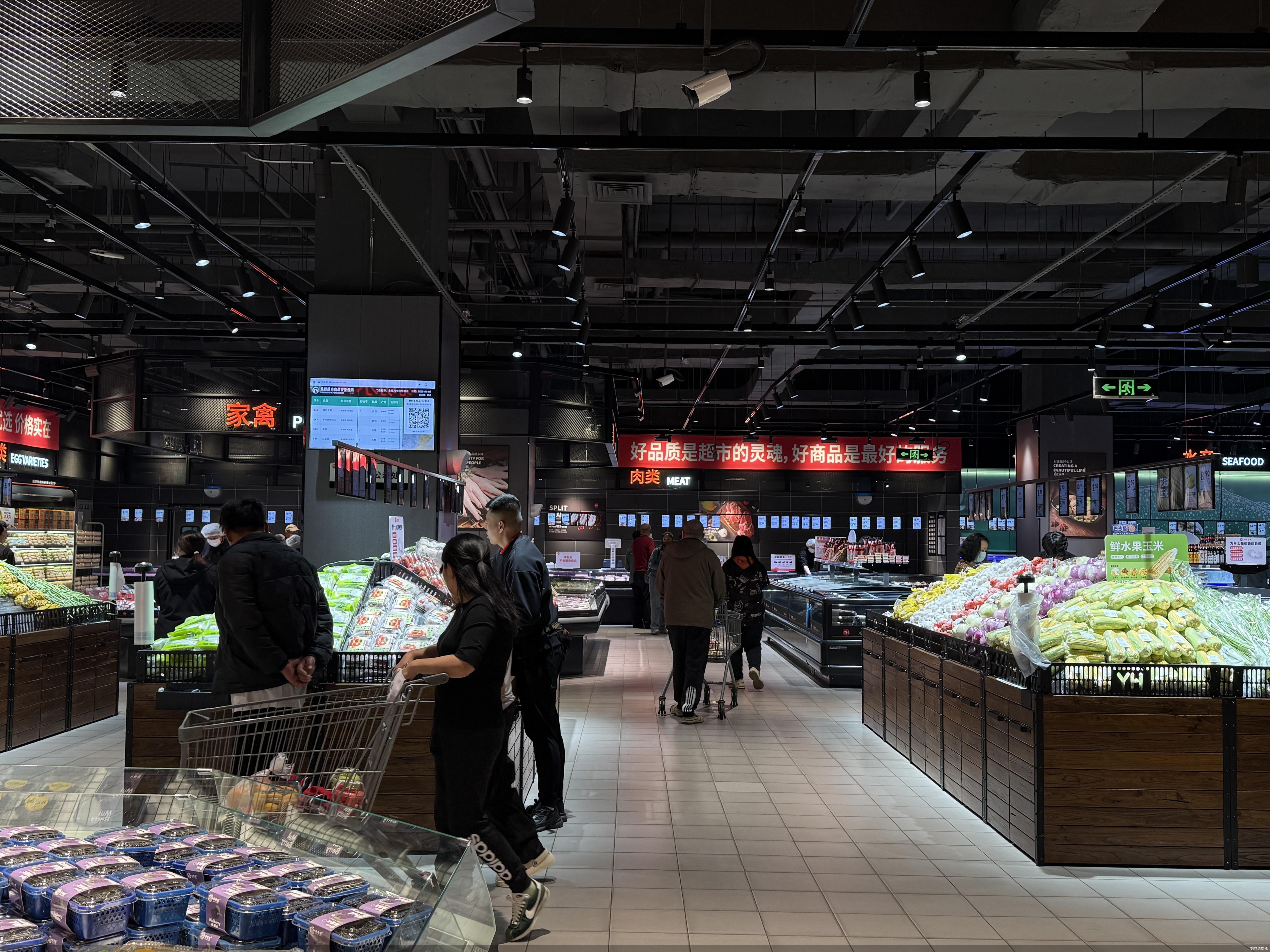
直采模式

Search documents
车厘子价格大跳水,背后隐藏着国际贸易新格局的秘密
Sou Hu Cai Jing· 2026-01-10 14:16
Core Viewpoint - The significant drop in cherry prices in China reflects a broader trend of premium fruits becoming more affordable, driven by changes in logistics and trade agreements [4][16]. Price Trends - Cherry prices have decreased from 80 yuan per kilogram in 2019 to a range of 30 to 45 yuan, aligning with prices in Spain, which has a much higher GDP per capita [5]. - Other fruits like blueberries and avocados are also experiencing price reductions, with a 22% increase in imported berry volumes expected in 2024 [5]. Consumer Behavior - The reduction in cherry prices has led to increased consumer purchasing power, with shoppers now buying in bulk without hesitation [2][7]. - The shopping experience has transformed, with consumers actively engaging in selecting fruits, a stark contrast to previous years [7]. Logistics Innovations - The shift from air freight to sea freight has been pivotal, with 85% of cherries now transported via specialized sea routes, reducing shipping costs from $300 to $110 per box [9]. - Cold chain technology has improved, allowing for a consistent temperature of -1.5°C and reducing shipping time from 45 days to 28 days, ensuring freshness upon arrival [11]. Trade Agreements - Chile, which exports 90% of its cherries to China, benefits from a free trade agreement that eliminated tariffs, enhancing trade efficiency [13]. - The reduction in tariffs and the implementation of RCEP rules have decreased the overall tax burden on cherry imports by nearly 20% [13]. Domestic Production - Domestic cherry production in regions like Shandong and Yunnan is emerging, with prices between 25 to 35 yuan per kilogram, allowing for seasonal consumption of both local and imported cherries [15]. Future Outlook - The price decline is not seen as a temporary promotion but as a result of structural changes in trade and logistics, with expectations of further price reductions post-Hainan's customs closure [16]. - The trend of affordable premium fruits is likely to extend beyond cherries to other imported fruits, enriching the Chinese market [18].


“胖改店”退烧 去供应商化难上加难
Bei Jing Shang Bao· 2025-04-13 13:30
Core Insights - The initial surge in customer traffic at the "Fat Reform Store" has stabilized, with current foot traffic significantly lower than the opening day, which saw nearly 50,000 visitors [2][10] - The supply chain adjustments are more profound, as the move to eliminate intermediaries is not just about shortening the supply chain but also compressing brand profit margins and altering the balance of power in supplier relationships [1][12] Group 1: Customer Traffic Trends - The first "Fat Reform Store" in Beijing has seen a noticeable decrease in customer numbers compared to its opening, with consumers now primarily concentrated in specific areas like the cooked food section and the Fat Donglai product zone [2][11] - Other reform stores, such as those in Fangshan and Daxing, also report minimal queueing during weekdays, indicating a return to normalcy in customer flow [10] Group 2: Supply Chain Adjustments - The strategy of eliminating intermediaries is viewed as essential, but it poses challenges, as suppliers have traditionally played a crucial role in the retail ecosystem [12][15] - The shift to direct procurement aims to reduce costs by 15% and involves a significant reduction in the number of suppliers from 2,300 to 800 core partners [13][14] Group 3: Financial Implications - The financial impact of the support provided by Fat Donglai has resulted in losses, with reported support costs of approximately 83 million yuan and overall sales losses of about 1.9 billion yuan [15] - The need for reform stores to establish their core competitiveness is emphasized, as relying solely on Fat Donglai's products for customer attraction is unsustainable [15] Group 4: Future Outlook - The number of reform stores is expected to grow, with projections of reaching 100 by mid-year and 200 by the end of the year for Yonghui, while Wumart plans to upgrade over 30 key stores by 2025 [14] - Industry experts suggest that achieving complete elimination of suppliers is challenging, and alternative strategies such as equity cooperation may be necessary to reshape the supply chain [15]