
眼部健康

Search documents
一种巨伤眼的行为,很多人最近都在这样做!
Xin Lang Cai Jing· 2026-01-30 14:29
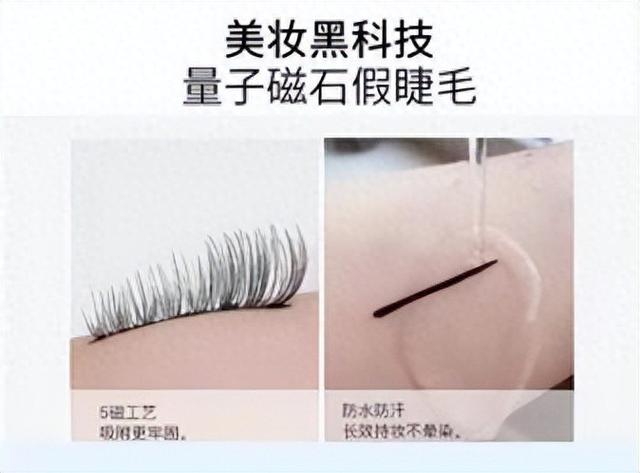
Core Viewpoint - The article discusses the potential health risks associated with the use of false eyelashes, including various application methods and their impact on eye health. Group 1: Application Methods - The most common methods for using false eyelashes are gluing and grafting, with gluing being a temporary solution and grafting providing a longer-lasting effect of 2 to 6 weeks [2][4]. - Magnetic eyelashes have gained popularity, claiming to eliminate the need for glue by using magnetic forces to attach to the eyelid [2][11]. Group 2: Health Risks - The main components of false eyelashes and the adhesives used can include synthetic fibers and complex chemical compounds, which may cause significant irritation to the sensitive eye area [4][5]. - Poor-quality products may contain harmful substances like formaldehyde, lead, and benzoic acid, which pose serious health risks, including heavy metal poisoning and cancer [6][8]. - Long-term use of false eyelashes can lead to various eye issues such as conjunctivitis, eyelid inflammation, dry eye syndrome, and allergic reactions [5][8][9]. Group 3: Specific Eye Problems - A study indicated that 84.44% of individuals experienced discomfort after eyelash grafting, with the most common symptom being a foreign body sensation [6][8]. - Other potential problems include subconjunctival hemorrhage due to mechanical damage during application or removal, and damage to natural eyelashes from chemical irritation [9][10]. Group 4: Magnetic Eyelash Concerns - Magnetic eyelashes, while marketed as a safer alternative, can still cause allergic reactions and may interfere with MRI scans due to their magnetic properties [11][13]. Group 5: Recommendations for Use - Users are advised to minimize the frequency of false eyelash use, choose high-quality products, and ensure thorough removal to avoid residue [18].

中疾控专家:新冠疫情处于今年首个阶段性高位,部分省份下降
Xin Jing Bao· 2025-06-05 12:04
Group 1: COVID-19 Situation - The COVID-19 pandemic in China has shown a gradual increase since March, currently at a phase high for the year, with some provinces showing a downward trend [2][3] - Monitoring indicates that the activity level of respiratory diseases is higher in southern provinces compared to northern ones, with no significant impact on normal medical operations [2][3] - Recommendations for vulnerable groups, including children and the elderly, emphasize maintaining good personal hygiene and health practices [3] Group 2: High School Examination Preparation - As the high school entrance examination approaches, traditional Chinese medicine suggests students should adjust their mental state and maintain eye health [4][5] - Specific methods for psychological adjustment include acupressure techniques and dietary recommendations to avoid excessive stimulation [4] - Eye care practices are advised to prevent fatigue, including proper lighting and regular breaks during study sessions [5] Group 3: Vector-Borne Disease Awareness - The density of mosquitoes, particularly Aedes mosquitoes, is rising in southern China, posing a risk for diseases like dengue fever [6] - Preventive measures include wearing protective clothing and using insect repellent, especially in high-risk areas [6][7] Group 4: Eye Health Awareness for the Elderly - The 30th National Eye Day emphasizes the importance of eye health, particularly for the elderly, who are at higher risk for diabetic retinopathy and other eye diseases [8][9] - Early detection of symptoms such as vision changes and visual field loss is crucial for timely medical intervention [9][10] - Regular eye examinations are recommended for individuals over 50 and those with chronic conditions [10][11] Group 5: Myopia Prevention and Treatment - The safety and effectiveness of modern laser eye surgeries are highlighted, with a focus on the importance of pre-operative assessments [12][13] - Misleading claims about myopia correction products are addressed, emphasizing the need for scientifically validated methods for myopia prevention [12][13]