睡眠障碍治疗

Search documents
Cell子刊:饶毅团队发现生物钟蛋白PER2的生理激酶MARK2,揭开睡眠障碍新机制
生物世界· 2026-03-19 05:50
Core Viewpoint - The discovery of MARK2 as a physiological kinase for PER2 provides a new understanding of the molecular mechanisms behind circadian rhythm regulation and potential new targets for treating sleep disorders [4][17]. Group 1: Key Findings - MARK2 has been identified as the physiological kinase responsible for the phosphorylation of PER2 at the S662 site, which stabilizes the PER2 protein and extends the circadian rhythm cycle [8][12]. - The absence of MARK2 in neurons leads to an advanced activity phase and shortened circadian cycle in mice, mirroring symptoms seen in human familial advanced sleep phase syndrome (FASP) patients [12][13]. - Previous candidates for PER2 phosphorylation, including CK1δ, CK1ε, and others, did not produce the expected phase advance phenotype when knocked out, highlighting the unique role of MARK2 [9][12]. Group 2: Methodology - The research team utilized classical biochemical purification methods to isolate the active component capable of phosphorylating PER2 S662 from HEK293 cells, ultimately identifying MARK2 and MARK3 as the key players [11][12]. - Mass spectrometry confirmed that MARK2 and MARK3 could directly phosphorylate the S662 site of PER2, while other candidates did not exhibit this capability [11][12]. Group 3: Implications and Future Directions - The identification of MARK2 as a key regulator in circadian rhythm opens avenues for developing new treatments for sleep disorders by targeting MARK2 activity [17]. - The study suggests that the AMPK-related kinase (ARK) family may play a collective role in circadian regulation, warranting further exploration of their functions in broader physiological processes [15][17]. - Understanding the regulatory network of circadian rhythms could lead to more precise chronotherapy, optimizing drug administration timing to enhance efficacy and reduce side effects [17].


谁把睡眠剪成“碎片”,创新中药拯救你的睡眠
Cai Fu Zai Xian· 2025-07-24 08:26
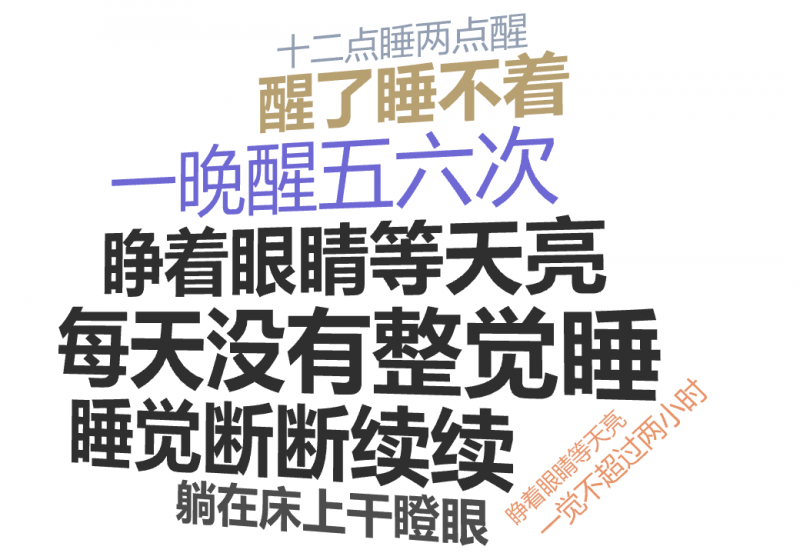
Group 1 - Insomnia is defined as a subjective experience of dissatisfaction with sleep duration and/or quality despite having adequate sleep opportunities and environments, affecting daytime social functioning [1] - Fragmented sleep is characterized by easily feeling sleepy during the day but having difficulty sleeping at night, often manifesting as early waking or frequent awakenings [1] Group 2 - Research from the University of California, Berkeley, indicates that fragmented sleep leads to high concentrations of inflammatory factors in the blood, exacerbating atherosclerosis and increasing the risk of hypertension, angina, myocardial infarction, depression, and dementia [3] - To improve fragmented sleep, it is essential to adjust sleep patterns, optimize the sleep environment, and reduce disturbances, which includes establishing good sleep hygiene, cognitive behavioral therapy, physical therapy, regular routines, light dinners, and avoiding stimulating activities before bed [3] Group 3 - Recent studies have shown that traditional Chinese medicine, particularly the Yishen Yangxin Anshen tablets, has proven effective in treating sleep disorders, including fragmented sleep, by nourishing the kidneys and calming the mind [4] - Experimental research indicates that Yishen Yangxin Anshen tablets regulate the hypothalamic-pituitary-adrenal (HPA) axis and promote serotonin synthesis in the brain, leading to sedative and calming effects [6] Group 4 - Practical tips for improving sleep include soaking feet in warm water (around 40°C) for 15-20 minutes before bed to promote blood circulation and massaging specific acupoints to calm the mind [6]