知识平权

Search documents
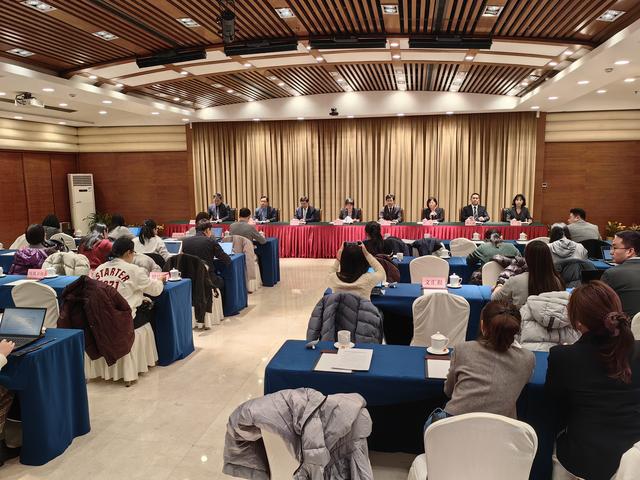
帮助年轻医生快速成长,我国首个医学案例库病例数破12万
Xin Lang Cai Jing· 2026-01-09 13:37
Core Insights - The China Clinical Case Results Database, the first and largest clinical case database in the medical field, aims to collect over 122,000 standardized case reports by the end of 2025 [1][4] Group 1: Database Development - The database has already included over 122,000 standardized case reports from more than 5,000 medical institutions across the country [4][5] - The total reading volume of the case reports has surpassed 31 million [5] Group 2: Clinical Impact - The database allows ordinary doctors to contribute valuable clinical experiences, transforming individual cases into structured academic records accessible to peers nationwide [3][4] - The initiative promotes "knowledge equity," ensuring that every clinical experience is valued and shared [3] Group 3: Quality Assurance - A review expert pool of over 3,000 specialists ensures standardized protocols and quality control throughout the case submission and evaluation process [4] Group 4: Technological Integration - The integration of artificial intelligence technology is expected to enhance the database's capabilities, including intelligent diagnostic suggestions and rare disease alerts, serving as a "smart second perspective" for clinical decision-making [5]

教育行至十字路口:当AI引发“知识通胀”,学习何为?
Nan Fang Du Shi Bao· 2025-12-24 12:10
Core Insights - The emergence of AI, particularly large models, is fundamentally shaking the foundations of education, raising questions about the meaning of learning in an era where answers are readily available [1] - Experts at the forum highlighted the conflict between standardized education models from the industrial era and the individual needs of future society, exacerbated by the arrival of AI [1] Group 1: Challenges in Education - The core dilemma in education today is how to ensure effective learning occurs in every classroom, as emphasized by the principal of Beijing First Experimental School [3] - The current educational system is criticized for focusing on knowledge transmission rather than fostering individual growth and emotional needs of students [5] - The need for educational reform is underscored by the observation that the majority of students are pressured to conform to a narrow set of academic goals, which can lead to mental health issues [5] Group 2: Future of Learning - The future of education should focus on helping students explore their identities and develop wisdom rather than merely acquiring knowledge, as AI makes information easily accessible [2] - The concept of "knowledge equity" is introduced, suggesting that education must adapt to a reality where knowledge is abundant, shifting the focus from rote learning to critical thinking and creativity [2] - The importance of personalized learning experiences that respect each student's unique emotional and developmental needs is highlighted [3] Group 3: Educational Reform - A shift from a "teaching" to a "learning" focus is necessary, emphasizing active learning and the development of ethical, aesthetic, and creative capacities in students [5] - The need for a reformed evaluation system is critical for deep educational change, with suggestions for differentiated admission criteria in higher education to accommodate diverse talents [7] - The forum discussed the importance of integrating practical experiences and emotional learning into the curriculum to counteract the pressures of standardized testing [6] Group 4: Recognition of Educational Initiatives - The first Torchlight Education Public Welfare Award was presented to recognize effective educational projects that address various dimensions such as arts education, mental health, and rural education innovation [8] - The shift in educational focus from "transmitting known knowledge" to "exploring the unknown" is deemed essential in the context of AI's impact on education [8]
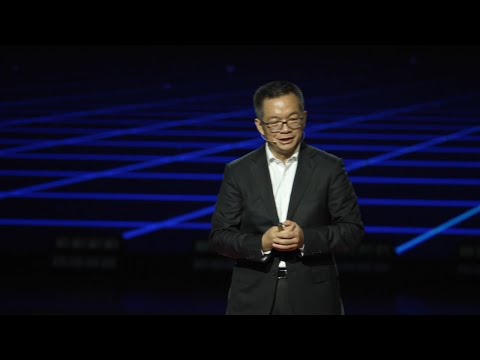
AI是认知的革命:从小事开始改变认知,拥抱AI | 郭 继军 | TEDxNanjing
TEDx Talks· 2025-12-16 17:57
AI's Impact on Society - AI is believed to bring "equality" in three aspects: information, knowledge, and ability [1] - The industry must reshape its understanding to address the challenges posed by these three types of equality [1] Expertise of Guo Jijun - Guo Jijun is a digital transformation strategist with years of experience in the enterprise service field [1] - Guo Jijun has held core management positions such as Vice President and President in top companies with different cultural backgrounds such as IBM, Alibaba, and XinAo Group [1] - Guo Jijun focuses on applying cutting-edge technologies such as cloud computing, big data, and artificial intelligence to the transformation and upgrading of enterprises and governments [1] - Guo Jijun has rich practical experience in promoting the intelligent transformation of traditional industries [1]
AI纪,且为阅读祈祷
Jing Ji Guan Cha Bao· 2025-06-30 06:20
Group 1 - The article discusses the overwhelming access to information and knowledge brought by AI language models, which has transformed the way individuals interact with knowledge [2][3][8] - It highlights the shift from a knowledge-scarce era to one where knowledge is abundant, allowing individuals to explore vast information without intermediaries [2][4] - The article critiques the superficial engagement with knowledge facilitated by AI, suggesting that reliance on AI for information may lead to a decline in critical thinking and cognitive abilities [10][11][12] Group 2 - The impact of AI on reading and writing is examined, indicating that while AI can summarize and condense information, it may ultimately degrade the quality of human cognition and creativity [10][12][13] - The article emphasizes the importance of deep reading and the traditional value placed on literature, contrasting it with the rapid consumption of information promoted by AI [15][16] - It warns that the ease of access to information through AI could lead to a devaluation of literary works and a loss of appreciation for the effort involved in creating and understanding complex texts [17][20]