石油供应应急计划

Search documents
绕开霍尔木兹,沙特 “石油生命线” 满负荷运转
财联社· 2026-03-30 06:13
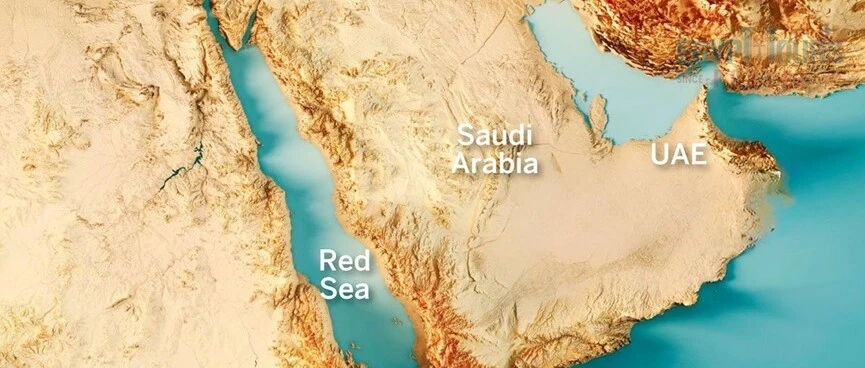
Core Insights - Saudi Arabia's east-west oil pipeline is currently operating at full capacity, transporting 7 million barrels per day, marking a significant achievement in bypassing the Strait of Hormuz [1] - The pipeline's operation has allowed Saudi Arabia to export approximately 5 million barrels of crude oil daily through the Yanbu port, significantly alleviating supply shortages [1] - The existence of the east-west pipeline has contributed to stabilizing oil prices, preventing them from soaring to levels seen during previous supply shocks [2] Group 1 - The east-west pipeline is crucial for Saudi Arabia's emergency plan to maintain oil exports in case of closure of major export routes [1] - The pipeline, which spans over 1,000 kilometers, connects major oil fields in eastern Saudi Arabia to the industrial port city of Yanbu in the west [2] - Prior to the current conflict, approximately 15 million barrels of oil were transported daily through the Strait of Hormuz, highlighting the significance of the east-west pipeline in mitigating supply disruptions [2] Group 2 - Recent reports indicate that oil shipments through the Strait of Hormuz are gradually resuming, with some Saudi crude oil reaching Pakistan [3] - The rise in oil prices above $100 per barrel is attributed to disruptions in the Strait of Hormuz, which supplies about one-fifth of the world's oil and liquefied natural gas [3] - The involvement of the Houthi forces in the conflict raises concerns about potential threats to shipping routes in the Red Sea, although no direct attacks on oil tankers have been confirmed yet [2]