
研究生扩招

Search documents
拆解985高校招生:硕博大扩招,男女比例V型分布
Jing Ji Guan Cha Bao· 2025-10-27 09:50
Core Viewpoint - The enrollment data from top Chinese universities (985 universities) indicates a significant trend towards expanding graduate programs, with graduate enrollment surpassing undergraduate enrollment in many institutions, reflecting a shift in higher education focus towards advanced degrees [1][4][6]. Enrollment Trends - From 2019 to 2025, the majority of 985 universities have seen graduate enrollment (master's and doctoral) exceed undergraduate enrollment, with some universities showing a difference of nearly three times [4][7]. - The enrollment growth rates for graduate programs are notably higher than those for undergraduate programs, with master's programs growing at approximately 5% and doctoral programs at around 10% annually [3][6]. Gender Ratio Dynamics - The gender ratio among new students in 985 universities shows a "V" shape fluctuation: undergraduate programs predominantly have more male students, while the proportion of female students increases at the master's level, only to decrease again at the doctoral level [1][12][17]. - In 2025, certain universities like Electronic Science and Technology University exhibit a male-to-female ratio of 3.53 in undergraduate programs, while the ratio for master's students is more balanced [13][15]. Policy and Future Outlook - The expansion of graduate programs is driven by national policies aimed at increasing the number of high-level talents, but there are concerns about the quality of education and resource allocation [2][9]. - Predictions suggest that by 2040, a significant portion of the population may have access to higher education, potentially leading to an oversupply of graduates in fields that do not require advanced degrees [11].
研究生多到宿舍不够住!多所高校对部分研究生不提供宿舍
第一财经· 2025-09-11 15:19
Core Viewpoint - The article highlights the increasing tension in graduate student housing due to the expansion of graduate enrollment in Chinese universities, leading to insufficient accommodation resources for students [2][4]. Group 1: Enrollment Expansion and Housing Shortage - The enrollment of graduate students in China has significantly increased, with 1.357 million students admitted in 2024, marking a 68.3% increase from 806,100 in 2017 [4]. - Specific universities, such as Hunan Normal University, have reported complaints about inadequate housing conditions, with the school admitting to a shortage of dormitory space due to an increase in student numbers [2]. - Other universities, including Tsinghua University and Nankai University, have stated that they will not provide accommodation for certain categories of graduate students, citing tight housing resources [3][4]. Group 2: Proposed Solutions for Housing Issues - Experts suggest that universities should collaborate with local governments and businesses to expand off-campus housing options and provide affordable accommodation choices for students [4][5]. - There is a call for innovative approaches to address the housing shortage, such as utilizing idle properties near campuses and allowing students to choose their living arrangements based on their financial situations [5]. - The need for a multi-faceted strategy to resolve the housing crisis is emphasized, advocating for a combination of traditional dormitory use and external support from social forces [5].

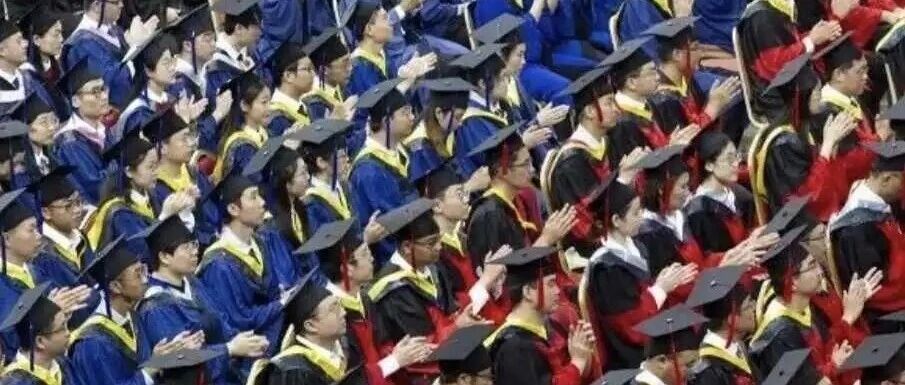
研究生多到宿舍不够住!多所高校对部分研究生不提供宿舍
Di Yi Cai Jing· 2025-09-11 11:55
Core Viewpoint - The increasing number of graduate students in China has led to a shortage of accommodation in several universities, prompting complaints from students about living conditions [2][3]. Group 1: Graduate Enrollment and Accommodation Issues - The enrollment of graduate students has significantly increased, with 135.7 million students admitted in 2024, marking a 68.3% increase from 2017 [3]. - Some universities, such as Hunan Normal University, have reported tight accommodation conditions, with specific cases of overcrowded dormitories [2]. - Several institutions, including Tsinghua University and Nankai University, have announced that they will not provide accommodation for certain graduate students due to resource constraints [3]. Group 2: Proposed Solutions and Strategies - Experts suggest that universities should collaborate with local governments and businesses to expand off-campus accommodation options and provide affordable housing [4]. - There is a call for innovative solutions, such as utilizing idle properties near campuses for student housing, to address the accommodation shortage [4]. - The need for personalized accommodation choices for students is emphasized, allowing those with better financial conditions to opt for private rentals instead of shared dormitories [4].