
破坏性政治

Search documents
聚焦“破坏性政治” 慕安会凸显美欧裂痕加深
Xin Lang Cai Jing· 2026-02-14 21:57
Core Viewpoint - The 62nd Munich Security Conference highlights the shifting dynamics of transatlantic relations, emphasizing that the U.S. has become a significant challenge for Europe, which is now focused on adapting to this changing landscape and enhancing its strategic autonomy [1][2]. Group 1: Security Cooperation - The core of the transatlantic alliance, centered on collective defense, is weakening, as the U.S. is perceived as a risk rather than a protector for Europe. This shift has led to increasing calls for European security and defense autonomy, exemplified by French President Macron's announcement of formal consultations with Germany on European security architecture [2][3]. Group 2: Economic Relations - The economic ties based on free trade are deteriorating, with the Trump administration's abandonment of global trade rules and imposition of tariffs affecting Europe. Despite reaching a trade agreement, Europe has made significant concessions, leading to a realization that it must reduce its dependency on the U.S. and strengthen its own economic position [3][4]. Group 3: Identity and Values - The shared values that once bonded the U.S. and Europe are fracturing, with increasing cognitive dissonance between the two. The Trump administration's policies, which oppose immigration and climate agreements, starkly contrast with Europe's commitment to inclusivity and multilateralism, raising questions about Europe's identity and its future alignment [4].
欧洲领导人在慕安会上呼吁加强战略自主
Xin Lang Cai Jing· 2026-02-14 15:33
Group 1 - European leaders at the Munich Security Conference emphasize the need for strategic autonomy in response to increasing international tensions and challenges to the EU [1][2] - European Commission President Ursula von der Leyen highlights threats from external forces aiming to weaken the EU from within, including territorial disputes, tariff barriers, and technology regulation [1] - UK Prime Minister Keir Starmer advocates for building "hard power" in Europe to deter aggression and prepare for combat if necessary, promoting deeper defense and industrial ties between the UK and EU [1] Group 2 - German Chancellor Friedrich Merz states that the world is entering a new era characterized by power and great power politics, indicating a growing divide between Europe and the US [1] - French President Emmanuel Macron calls for Europe to become a "geopolitical power" by implementing "European priority" policies to reduce external dependencies across various sectors, including AI, cloud computing, and defense [2] - The Munich Security Conference's annual security report warns that the world is entering an era of "destructive politics," with the international order being undermined [2]
第62届慕安会将聚焦“破坏性政治”冲击国际秩序
Xin Hua She· 2026-02-09 22:54
Core Viewpoint - The "2026 Munich Security Report" indicates that the world has entered an era of "destructive politics," where complete destruction has become mainstream and the international order is being dismantled [5][9]. Group 1: Report Themes and Focus - The theme of this year's report is "Under Destruction," aiming to set the agenda for the upcoming 62nd Munich Security Conference [5]. - The report highlights that destructive politics has replaced cautious reforms and policy adjustments as the prevailing trend, particularly evident in the current U.S. government's intentions to break free from existing order constraints [5][7]. Group 2: Political Dynamics - The report notes a growing political force in many Western societies that favors destruction over reform, rooted in public disappointment with Western democratic mechanisms and a loss of trust in substantive reforms and political course corrections [9]. - It raises concerns about whether this destruction can genuinely pave the way for policies that enhance public safety, prosperity, and freedom, suggesting a potential world shaped by transactional agreements rather than principled cooperation [9]. Group 3: Conference Background - The Munich Security Conference, founded in 1963, has evolved from focusing on transatlantic partnerships to becoming a significant annual forum in the field of international strategy and security [10].

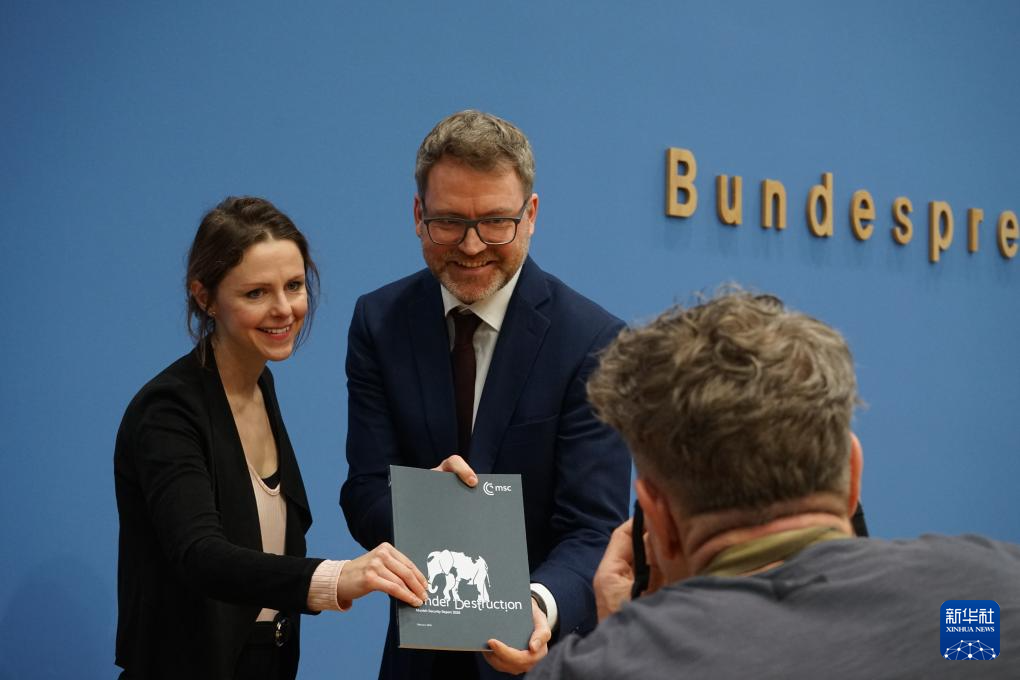
报告显示 第62届慕安会将聚焦“破坏性政治”冲击国际秩序
Jing Ji Guan Cha Wang· 2026-02-09 16:19
Core Viewpoint - The 2026 Munich Security Report indicates that the world has entered an era of "destructive politics," where complete destruction has become mainstream, undermining the international order [1] Group 1: Report Themes and Findings - The theme of this year's report is "Under Destruction," aiming to set the agenda for the upcoming 62nd Munich Security Conference [1] - The report highlights that destructive politics has replaced cautious reforms and policy adjustments as the dominant trend [1] - The current U.S. government's intention to break free from existing order constraints is particularly evident [1] Group 2: Political Dynamics - The report notes a growing political force in many Western societies that favors destruction over reform, rooted in public disappointment with Western democratic mechanisms [1] - There is a loss of trust in substantive reforms and political course corrections among the populace [1] - The report questions whether this destruction can genuinely pave the way for policies that enhance public safety, prosperity, and freedom [1] Group 3: Future World Order - The report suggests a potential future shaped by transactional agreements rather than principled cooperation, driven by self-interest rather than public good, and characterized by regional hegemony instead of universal norms [1]