欧洲优先

Search documents
马克龙警告欧洲,不能被中美踢出局,要加强关键领域竞争
Sou Hu Cai Jing· 2026-02-24 04:12
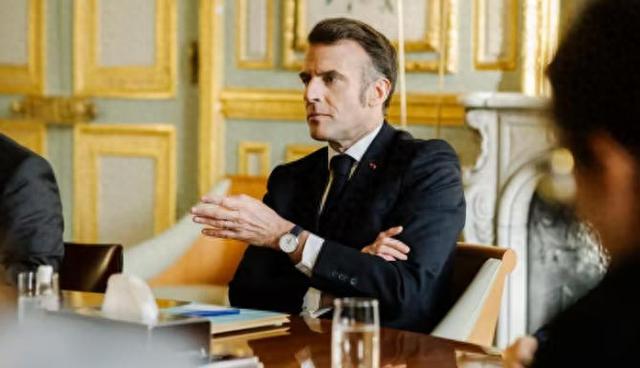
Core Viewpoint - French President Macron warns that Europe must arm itself or risk being sidelined by the US and China, indicating a shift from naive globalism to a more sovereign approach within the EU [1][3] Group 1: Strategic Context - Macron describes a strategic encirclement of Europe, with Russia as an adversary to the east and an unpredictable US to the west, while China emerges as a significant economic competitor with a trade surplus exceeding one trillion dollars [3][6] - He emphasizes that Europe is caught between two powerful nations, leading to a shrinking space for survival [3] Group 2: Proposed Solutions - Macron advocates for an "Europe First" strategy, promoting protectionism in key strategic sectors such as steel, clean energy, chemicals, and defense [3][6] - He proposes the issuance of Eurobonds to fund green technology, digital transformation, and defense, estimating a need for 800 billion euros annually for green and digital sectors, and up to 1.2 trillion euros when including defense [6][8] Group 3: Challenges and Opposition - The proposal for Eurobonds faces skepticism, particularly from "frugal" countries like Germany, which are concerned about the implications of shared debt and the need for fiscal discipline [8][10] - Macron's push for collective debt is seen as a potential burden on fiscally responsible nations, raising questions about trust and fairness within the EU [8][10] Group 4: Internal EU Dynamics - The divergence between France and Germany complicates the EU's ability to unite, as Germany prefers market-driven solutions over protectionist measures [10][12] - Macron's strategy may inadvertently increase dependency on German fiscal policies, leading to internal conflicts among EU member states [12] Group 5: Potential Outcomes - The likely outcome may be a minimal compromise within the EU, resulting in symbolic measures rather than substantial reforms like large-scale debt sharing or defense integration [13][14] - Macron's role as a "prophet of concern" highlights the elite's anxiety about the EU's position in global competition, but the path from diagnosis to actionable solutions remains fraught with challenges [14]

跨大西洋关系裂痕加剧 欧洲高调提“战略自主”
Yang Shi Xin Wen· 2026-02-15 00:12
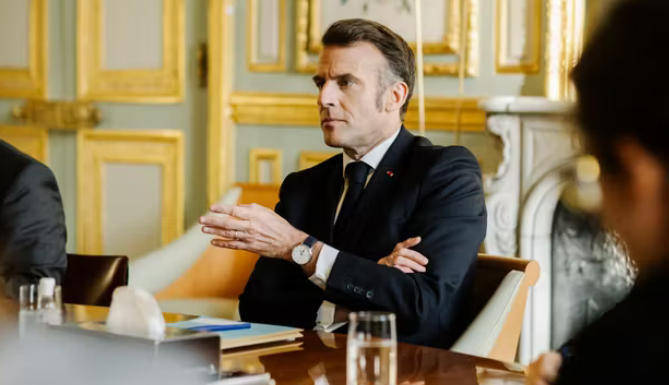
Core Points - The 62nd Munich Security Conference highlighted the growing rift in transatlantic relations, with the U.S. maintaining its "America First" stance while Europe emphasizes "strategic autonomy" [1] - The issue of Ukraine remains contentious, with Ukrainian President Zelensky stating that the U.S. often demands concessions from Ukraine rather than Russia [4] Group 1: Transatlantic Relations - The annual report from the Munich Security Conference indicates that conflicts between the U.S. and Europe have evolved from specific policy disagreements to a fundamental rift in the understanding of alliance principles [3] - European leaders are increasingly recognizing the need to establish a strong Europe to counter perceived threats from the U.S., particularly regarding issues like Greenland and tariffs [3] Group 2: European Leaders' Responses - Danish Prime Minister Frederiksen emphasized that Greenland cannot be priced and must respect the sovereignty and self-determination of its people [3] - Spanish Prime Minister Sanchez supported Denmark's position on Greenland, asserting that sovereignty and territorial integrity must be respected and should not be subject to negotiation [3] Group 3: European Defense and Autonomy - European Commission President von der Leyen warned of external threats aimed at undermining the EU and stressed the need for Europe to become more independent [6] - UK Prime Minister Starmer called for Europe to build "hard power" to deter aggression and prepare for self-reliance [6] - French President Macron stated that Europe must learn to be a geopolitical force and implement "European-first" policies to reduce external dependencies [6] Group 4: U.S. Influence and European Strategy - European leaders expressed skepticism about U.S. Secretary of State Rubio's speech, with some viewing it as lacking reassuring content and not indicative of improved transatlantic relations [7] - The Munich Security Report highlighted the detrimental impact of U.S. actions on global security and the declining confidence in the U.S. as a security guarantor [7]

欧洲领导人在慕安会上呼吁加强战略自主
Xin Lang Cai Jing· 2026-02-14 15:33
Group 1 - European leaders at the Munich Security Conference emphasize the need for strategic autonomy in response to increasing international tensions and challenges to the EU [1][2] - European Commission President Ursula von der Leyen highlights threats from external forces aiming to weaken the EU from within, including territorial disputes, tariff barriers, and technology regulation [1] - UK Prime Minister Keir Starmer advocates for building "hard power" in Europe to deter aggression and prepare for combat if necessary, promoting deeper defense and industrial ties between the UK and EU [1] Group 2 - German Chancellor Friedrich Merz states that the world is entering a new era characterized by power and great power politics, indicating a growing divide between Europe and the US [1] - French President Emmanuel Macron calls for Europe to become a "geopolitical power" by implementing "European priority" policies to reduce external dependencies across various sectors, including AI, cloud computing, and defense [2] - The Munich Security Conference's annual security report warns that the world is entering an era of "destructive politics," with the international order being undermined [2]
欧洲优先?欧洲被中美逼到墙角!27国躲进古堡密谋“最后一搏”!
Sou Hu Cai Jing· 2026-02-14 14:19
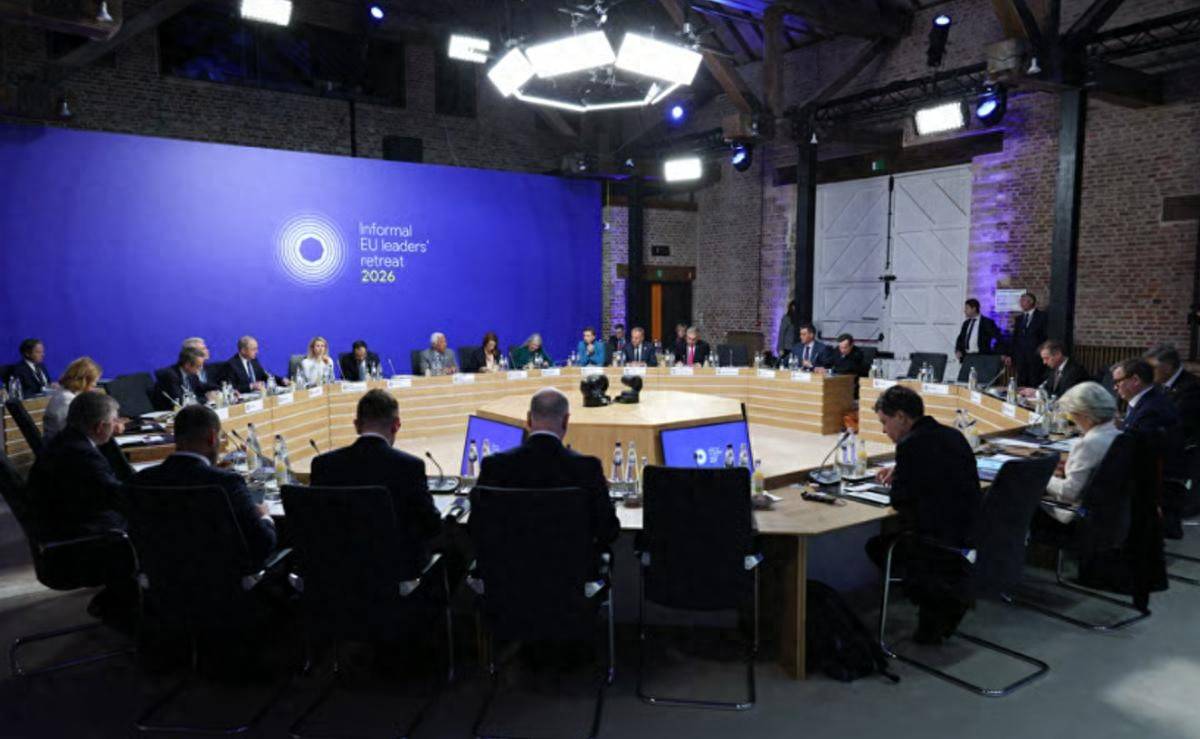
Core Viewpoint - The European Union (EU) is recognizing the need to adapt its strategies in response to the shifting global landscape dominated by the US and China, moving away from traditional ideals to focus on enhancing competitiveness and self-sufficiency in key industries [1][3]. Group 1: Economic Challenges and Strategic Focus - The EU has faced prolonged economic stagnation and increasing geopolitical tensions, leading to a narrowing industrial space due to US and Chinese competition [3]. - Key issues discussed at the summit include reducing energy costs, addressing market regulatory bottlenecks, and preventing local companies from being marginalized in global competition [3][5]. Group 2: Policy Shifts and Internal Divisions - The summit surprisingly opened discussions on the "Europe First" concept, advocating for stronger policy support for domestic industries in strategic sectors like clean energy and defense technology [5]. - French President Macron emphasized the urgency of establishing self-sufficiency in critical industries, echoing sentiments similar to the "America First" policy previously criticized by European leaders [5]. - Internal divisions emerged, with leaders like Irish Prime Minister Martin warning against sliding into protectionism, while German Chancellor Merz expressed concerns that an overemphasis on local manufacturing could undermine the EU's role as a global trade hub [5][9]. Group 3: Regulatory Simplification and Historical Context - A significant topic of debate is the need to simplify regulations and reduce bureaucratic burdens on businesses, which have historically hampered European enterprises [7]. - The EU is considering adopting a "de-regulatory" approach reminiscent of strategies previously implemented by the Trump administration, indicating a shift in perspective towards regulatory frameworks [7]. - Former Italian Prime Minister Mario Draghi highlighted that economic fixes alone are insufficient, advocating for deeper political integration within the EU to avoid a cycle of dependency and fragmentation [7][9]. Group 4: Reform Dynamics and Future Outlook - The reform discussions are seen as reactive rather than proactive, driven by external pressures rather than a genuine internal awakening [9]. - The potential for lasting change is questioned, as historical patterns suggest that reforms lacking strong commitment may be short-lived [9]. - The urgency for decisive structural reforms within the next three years is emphasized, as failure to act could result in Europe becoming merely a backdrop in global power dynamics [9].
马克龙疾呼:我们是所有人的榜样,欧洲要自信!
Guan Cha Zhe Wang· 2026-02-14 05:03
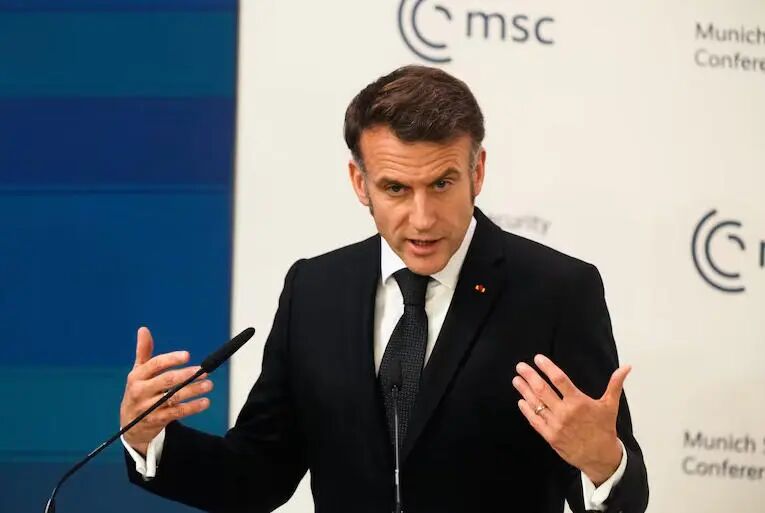
Core Viewpoint - French President Macron strongly defends Europe against claims of decline, emphasizing the need for Europe to be seen as a model rather than a "aging and divided" continent [1][3] Group 1: European Identity and Strength - Macron criticizes the portrayal of Europe as a slow, divided, and aging entity, arguing that such stereotypes undermine its strengths and self-confidence [1][3] - He calls for a more positive mindset towards Europe, highlighting the need to combat misinformation and social media narratives that distort its image [1][3] Group 2: Geopolitical Independence - Macron asserts that Europe must become an independent geopolitical force and develop its own security framework, especially in light of ongoing tensions with Russia [4][5] - He emphasizes that any future negotiations regarding Europe's security architecture must be led by Europeans themselves, reflecting their own interests and geographical realities [6][5] Group 3: Nuclear Strategy and Defense - Macron announces plans to initiate a "new strategic dialogue" regarding nuclear weapons, indicating a shift in Europe's approach to security that moves away from Cold War-era frameworks [6][7] - He mentions ongoing discussions with European leaders about coordinating national security concepts within the constraints of constitutional obligations [6][7] Group 4: Economic Independence and Investment - Macron advocates for a new joint borrowing initiative among EU member states to fund strategic sectors like green technology and defense, aiming to enhance Europe's economic independence [8] - He warns that without decisive action, Europe risks being overshadowed by the US and China, reinforcing the urgency for reform and investment in its own capabilities [8]
四天过去,中国反制准时执行,局势变成6对21,欧盟内部陷入混乱
Sou Hu Cai Jing· 2026-02-14 02:43
Core Viewpoint - The article discusses the internal divisions within the EU regarding the proposed protectionist measures against Chinese products, particularly focusing on the dairy industry in France, and highlights the strategic miscalculations of French President Macron in pushing for "European priority" amidst rising tensions with China [1][20][42]. Group 1: EU's Internal Division - The EU's internal support for the protectionist measures is starkly divided, with only 6 out of 27 member states backing France's aggressive stance, while 21 countries expressed opposition [5][12]. - This division reflects deeper issues within the EU, where member states prioritize their national interests over collective action against China [8][20]. - The split is not merely a political disagreement but indicates a fundamental clash between different industrial interests within Europe, particularly between component suppliers and major manufacturers [13][15]. Group 2: Strategic Miscalculations - Macron's push for protectionism is seen as a desperate attempt to regain political support domestically, as his approval ratings have plummeted [23][27]. - The article suggests that Macron's strategy mirrors historical precedents of economic protectionism that ultimately failed, such as the U.S. pressure on Japan in the 1980s [25][35]. - The proposed measures could lead to significant setbacks for the EU's automotive industry, with estimates suggesting a slowdown in technological advancements by at least 15% over the next three years [37]. Group 3: Market Dynamics and Consequences - The article emphasizes that market forces are unforgiving, and attempts to impose trade barriers will not resolve underlying industrial issues within Europe [39][40]. - If the EU continues down this path of protectionism, it risks further alienating itself from global markets and jeopardizing its own economic stability [33][35]. - The potential for retaliatory measures from China could extend beyond dairy products to other key European exports, such as wine and pork, exacerbating the economic impact [33][42].
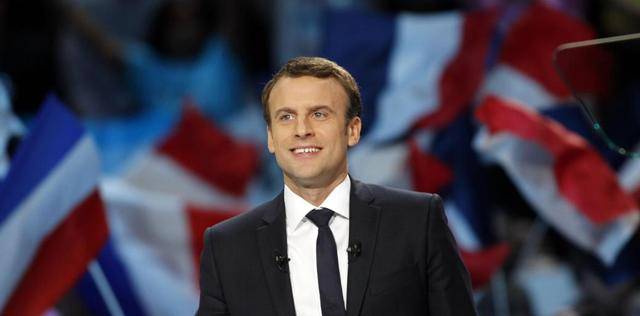
马克龙:每个人都应该向欧洲学习,欧洲应当感到自豪
Xin Lang Cai Jing· 2026-02-14 00:57
Core Viewpoint - French President Macron strongly defends Europe against claims of decline, emphasizing the need for Europe to be seen as a model rather than an aging and divided continent [1][3] Group 1: European Identity and Strength - Macron criticizes the portrayal of Europe as a "slow, divided, and marginalized" entity, arguing that such stereotypes undermine its strengths and self-confidence [1][3] - He calls for a more positive mindset towards Europe, highlighting the need to combat misinformation and social media narratives that distort its image [1][3] Group 2: Geopolitical Independence - Macron asserts that Europe must become an independent geopolitical force and develop its own security framework, especially in light of ongoing tensions with Russia [4][5] - He emphasizes that any future negotiations regarding Europe's security architecture must be led by Europeans themselves, reflecting their own interests and geographical realities [4][5] Group 3: Nuclear Strategy and Security Architecture - Macron announces plans to initiate a "new strategic dialogue" regarding nuclear weapons, indicating a shift in Europe's approach to security that moves away from Cold War-era frameworks [5][6] - He mentions ongoing discussions with European leaders about coordinating national security concepts within the constraints of constitutional obligations [5][6] Group 4: Economic Independence and Investment - Macron advocates for a new joint borrowing initiative among EU member states to fund strategic areas such as green technology and defense, aiming to enhance Europe's economic independence [7] - He warns that without decisive action, Europe risks being overshadowed by the economic powers of the US and China, reinforcing the urgency for reform and self-reliance [7]
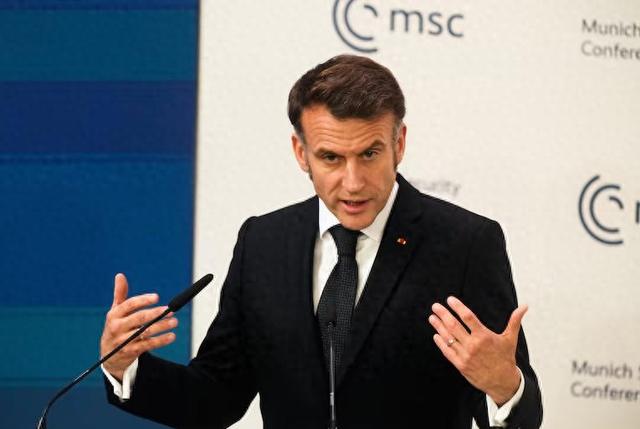
欧盟同意推进“购买欧洲货”政策,保护欧洲工业,重拾经济竞争力
Sou Hu Cai Jing· 2026-02-13 05:56
Core Viewpoint - The EU leaders have agreed to advance a "Buy European" policy to protect strategic sectors of European industry amid global economic challenges [1][4] Group 1: Economic Context - EU leaders gathered to discuss how to regain economic competitiveness against the US and China during a time of economic threats and political turmoil [1] - Belgium, France, Germany, and the Netherlands are facing a "survival crisis" due to high energy costs, regulations, and unfairly subsidized goods flooding the market [3] - The urgency of addressing Europe's declining competitiveness has been heightened by events such as the sudden halt of Russian gas supplies in 2022 and trade wars [3] Group 2: Strategic Areas of Focus - A broad consensus was reached on protecting and strengthening specific strategic areas, including defense, space, clean technology, quantum, artificial intelligence, and payment systems [3] - The upcoming "Industrial Accelerator Bill" is expected to set targets for local content in strategic products like solar panels and electric vehicles [4] Group 3: Diverging Perspectives - French President Macron emphasizes that "European priority" should focus on specific strategic sectors, viewing it as a defensive measure against unfair competition [4][5] - German Chancellor Merz advocates for a more open approach to trade, preferring "co-manufacturing with European partners" over strict "European manufacturing" rules [5] - The differing views between France and Germany raise questions about the health of the Franco-German relationship, traditionally a driving force in European projects [5] Group 4: Regulatory Considerations - EU Commission President von der Leyen acknowledges the need for caution regarding the "Buy European" policy, emphasizing that proposals must be supported by solid economic analysis and comply with international obligations [6]
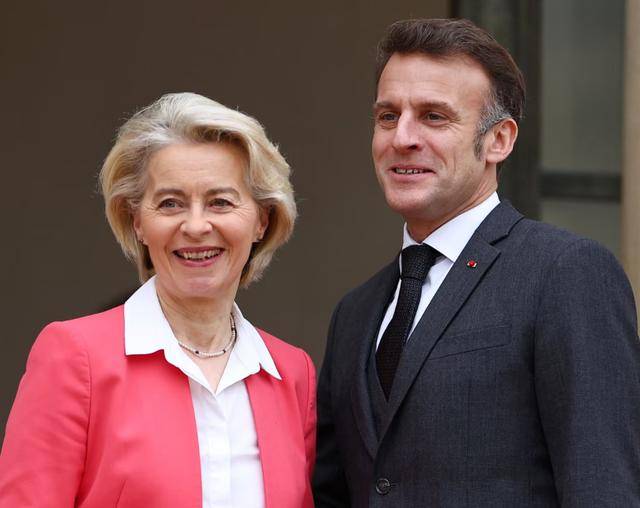
欧盟找了个城堡开闭门会:怎么在激烈的中美竞争下生存下去
Xin Lang Cai Jing· 2026-02-12 15:26
Core Viewpoint - The EU leaders convened to address the urgent need to enhance competitiveness amid economic downturns and geopolitical risks, focusing on energy costs and internal market operations [1][3]. Group 1: Economic Competitiveness - The meeting's primary agenda was to find ways to lower energy costs and improve the functioning of the EU's internal market to help European businesses remain competitive against the US and China [1][3]. - European industrial electricity prices are reported to be more than double those in the US and China, highlighting the urgent need for a unified energy market [3][4]. - The EU is considering the "European priority" policy to support local industries in strategic sectors like clean technology, chemicals, steel, automotive, and defense [4][5]. Group 2: Divergence Among Member States - There are significant disagreements among EU member states regarding the implementation of the "European priority" policy, with countries like France advocating for it while others, including Germany and Ireland, express concerns about maintaining free trade principles [5][6]. - The meeting is expected to reveal whether member states can overcome their individual interests to reach a collective action plan [8][9]. Group 3: Regulatory Challenges - EU leaders discussed the need to reduce excessive regulations that complicate business operations, such as differing weight limits for trucks across borders [8][9]. - The current global economic order is perceived as fragile, with calls for a shift from a confederation to a federation to enhance decision-making and unity among member states [8][9]. Group 4: Historical Context and Meeting Significance - The choice of a castle for the meeting symbolizes a retreat from public scrutiny, allowing leaders to engage in serious discussions about Europe's future [10][12]. - Historical precedents show that such secluded meetings have been used to address critical issues, indicating the importance of the current discussions for the EU's stability and competitiveness [12][13].
马克龙着急:欧盟再不作为,将被中美横扫出局
Xin Lang Cai Jing· 2026-02-11 01:13
Core Viewpoint - French President Emmanuel Macron warns Europe to take urgent action to avoid being outcompeted by China and the United States in key strategic areas, advocating for a "Europe first" approach and increased investment in green technology, defense, and security [1][4][9]. Group 1: European Competitiveness - Macron emphasizes that Europe is facing a dual crisis from China and the U.S., with China's trade surplus reaching $1 trillion and the U.S. presenting instability [4][7]. - He calls for a new common borrowing initiative among EU member states to fund strategic sectors, suggesting that Europe must invest in its own future to counteract dollar dominance [9][10]. - Macron highlights the need for Europe to simplify and deepen its single market while promoting trade diversification [5][7]. Group 2: Investment Needs - The estimated annual investment requirement for the EU in green and digital technologies is €800 billion, with total needs in defense and security reaching approximately €1.2 trillion [7]. - Macron's proposals include the issuance of euro bonds to support these investments, despite skepticism from other EU member states regarding the feasibility of such initiatives [9][12]. Group 3: Political Dynamics - Macron's push for a more sovereign Europe has seen some success, but he acknowledges that progress has been slow and insufficient [2][4]. - The upcoming EU summit is expected to discuss competitiveness and the "European manufacturing" strategy, but Macron's proposals face opposition, particularly from Germany, which has historically rejected similar debt-sharing initiatives [12][15]. - There is a growing recognition among EU countries of the need for flexibility in financial matters, but consensus on Macron's proposals remains elusive [15].