磷酸铁锂产能扩张

Search documents
丰元锂能谈磷酸铁锂:逆周期要大胆,顺周期要理性
高工锂电· 2025-12-04 12:40
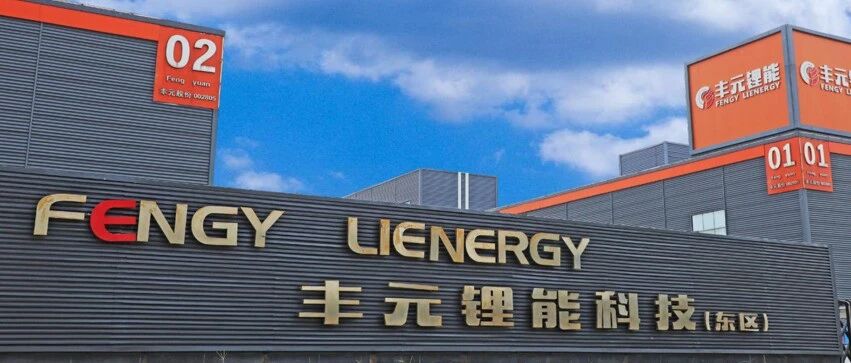
Core Viewpoint - The lithium battery industry is entering an upward cycle centered around lithium iron phosphate (LFP) batteries, driven by strong demand in both the power and energy storage markets, with LFP models accounting for over 80% of new energy vehicle sales and registrations [2]. Industry Overview - The demand for LFP batteries is expected to exceed 1.3 TWh in China by the end of the year, with the demand for cathode materials projected to surpass 3.5 million tons [2]. - The expansion of production capacity among LFP material manufacturers is crucial for entering the supply chain of leading battery companies, with scale becoming a key competitive factor [2][3]. Company Focus: Fengyuan Lithium Energy - Fengyuan Lithium Energy, a Shandong-based LFP material company, secured a three-year long-term supply agreement with BYD, which aims to sell 5.5 million vehicles by 2025, indicating significant upstream material demand [3]. - The company has aggressively expanded its production capacity from 10,000 tons in 2021 to a target of 300,000 tons by the end of 2024, demonstrating a commitment to meeting future demand despite industry challenges [3][11]. Production and Technology Strategy - Fengyuan is focusing on mid-to-high-end LFP demand and has invested in versatile equipment to prepare for future product iterations, ensuring that production capabilities align with market advancements [4][10]. - The company has successfully achieved mass production of its fourth-generation LFP batteries, which offer an 8-10% increase in energy density compared to third-generation products, catering to high-voltage platforms and large-capacity energy storage needs [5][14]. Market Dynamics and Competitive Landscape - The current industry cycle is characterized by more rational expansion compared to previous cycles, with companies avoiding reckless competition and focusing on sustainable growth [6][7]. - The competitive barriers in the LFP market are primarily based on technological advancement, production scale, and cost efficiency, with a focus on maintaining a healthy competitive environment [9][10]. Future Outlook - Fengyuan's strategy includes targeting both leading companies and niche market leaders, with a strong emphasis on the energy storage market as a key growth driver [15]. - The company plans to complete its LFP production capacity of 300,000 tons by the end of the year and is also investing in solid-state battery materials, indicating a forward-looking approach to innovation and market demands [16][17].


LFP材料
数说新能源· 2025-11-05 07:17
Production - In October 2025, the production of lithium iron phosphate reached 399,800 tons, representing a year-on-year increase of 51.8% and a month-on-month increase of 11.5% [1] - From January to October 2025, the total production of lithium iron phosphate amounted to 3.06 million tons, showing a year-on-year growth of 58.6% [1] - The peak season has led to a significant increase in both production and sales of lithium iron phosphate, with monthly production hitting a new high [1] Capacity - As of the end of October, the overall capacity of the lithium iron phosphate industry stood at 6.32 million tons, reflecting a year-on-year increase of 29.8% and a month-on-month increase of 7.9% [1] Utilization Rate - The overall capacity utilization rate of the lithium iron phosphate cathode material industry in October was approximately 75.9%, which is an increase of 11.0 percentage points year-on-year and 2.4 percentage points month-on-month [1] - In October, the top ten enterprises in the industry experienced robust production and sales, with nearly all operating at full capacity, while previously idle capacities are gradually being reactivated [1] Price & Processing Fees - The shortage driven by supply-demand imbalance has led to price increases, particularly for third-generation and fourth-generation products, which have shown more rigid price hikes [1] - There remains idle capacity for second-generation and third-generation products, but the replenishment progress is relatively slow [1]