社会保障政策

Search documents
稳定重点群体就业 专家解读一系列政策红利
Yang Shi Xin Wen Ke Hu Duan· 2025-12-14 02:45
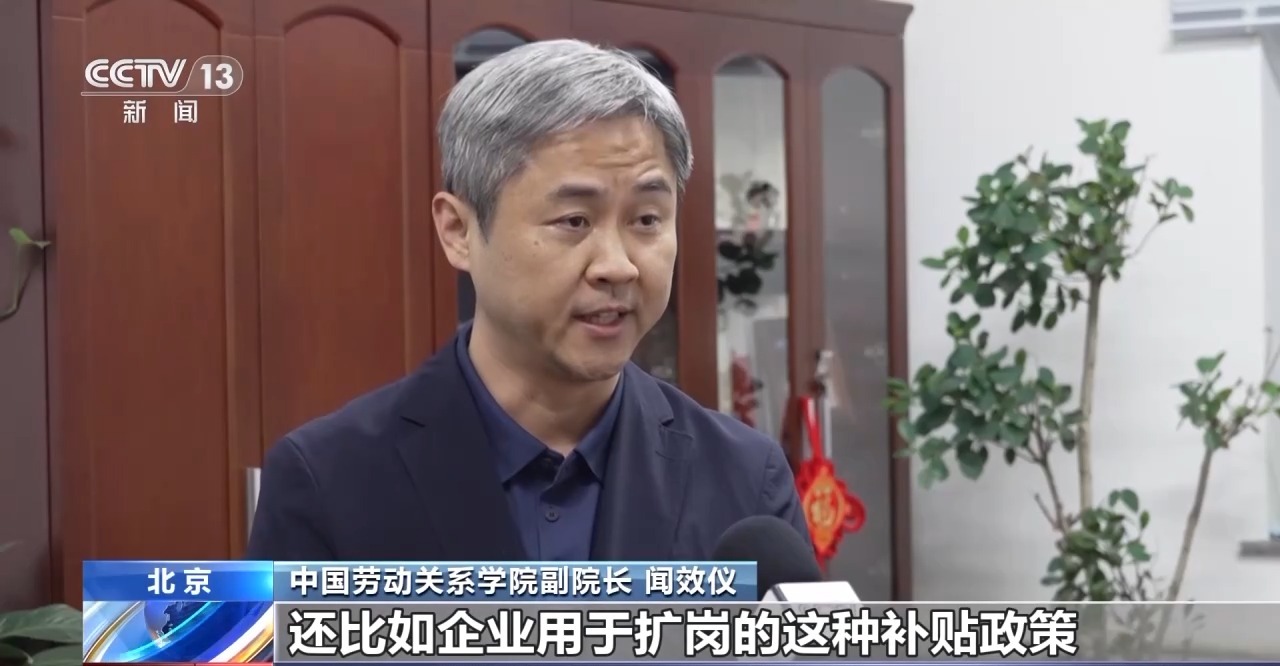
Group 1 - The Central Economic Work Conference has made arrangements for employment work in 2026, emphasizing the implementation of actions to stabilize and expand job positions, which will have a positive impact on the employment market [1][3] - Policies such as financial support for job stabilization, social insurance refunds, and subsidies for job expansion are aimed at guiding enterprises to maintain and enhance job quality [3][5] - The conference highlights the need to stabilize employment for key groups such as college graduates and migrant workers, with targeted measures to improve job matching [5][6] Group 2 - The conference encourages flexible employment and new employment forms to participate in employee insurance, addressing the social security needs of over 200 million flexible workers [6][8] - Experts indicate that expanding insurance coverage for flexible and new employment forms will enhance their social security levels, including pension and medical insurance [8][10] - The future employee insurance system will adapt to the realities of these workers, improving accessibility and long-term benefits, thereby enhancing their sense of belonging and security [10][12] Group 3 - The conference also addresses key areas of public welfare such as education, healthcare, and long-term care, with policies aimed at benefiting households [13][15] - The introduction of a long-term care insurance system is seen as essential for addressing the needs of an aging population [15] - Policies promoting educational opportunities and support for disadvantaged groups are part of a comprehensive social safety net aimed at stabilizing population development and enhancing overall welfare [17]

日本自民党和维新会为联合执政探寻妥协点
日经中文网· 2025-10-17 03:06
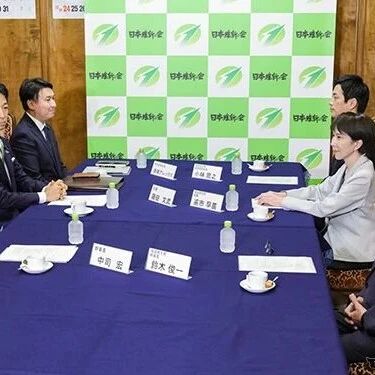
Core Viewpoint - The Japan Restoration Party is negotiating with the Liberal Democratic Party (LDP) to form a governing coalition, presenting a document outlining 12 policy demands, with a total of approximately 50 specific requests [1][3]. Economic Policies - The Japan Restoration Party aims to reduce the food consumption tax to zero within two years and withdraw the cash distribution plan promised by the LDP during the Senate elections [6]. - A comprehensive review of tax measures and subsidies is proposed, with a focus on eliminating ineffective projects [6]. Social Security - The party insists on fulfilling the agreement to lower social insurance fees, which aligns with the consensus reached among the LDP, Komeito, and the Japan Restoration Party [6]. - There is a proposal to redefine "elderly" to explore a fairer burden-sharing of social insurance fees [6]. Political Reform - The Japan Restoration Party is advocating for a ban on corporate and group donations, setting a cap of 10 million yen on annual donations to political groups [5][6]. - The party also proposes a 10% reduction in the number of Diet members, aiming to pass related legislation in the temporary Diet session of 2025 [9]. Foreign and Security Policies - The party seeks to revise security documents ahead of schedule and remove five categories of restrictions on the transfer of defense equipment [6]. - A proposal for a counter-espionage law is also on the agenda [6]. Differences and Negotiations - Significant differences exist between the Japan Restoration Party and the LDP regarding the regulation of corporate and group donations, with the former firmly opposing any concessions [3][8]. - The LDP supports transparency in funding and does not see the need for stricter regulations, leading to a breakdown in coalition talks with Komeito [9]. - Despite these differences, the Japan Restoration Party shows a willingness to negotiate, indicating a potential for compromise on other issues if their core demands are met [9].