
社会化养老

Search documents
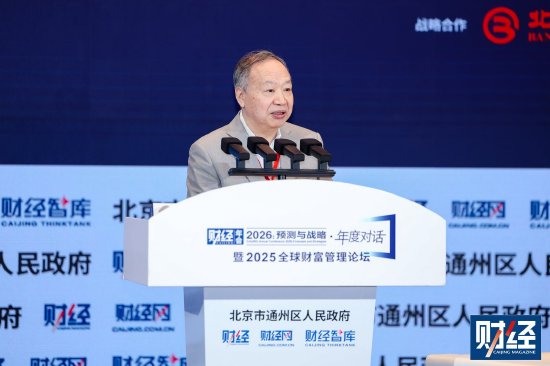
高传捷:信托作为养老金融的核心,应发挥关键作用
Xin Lang Cai Jing· 2025-12-20 02:25
Core Viewpoint - The article emphasizes the transition of China's elderly care model from family-based to socialized care, highlighting the critical role of trusts in this shift [2][5]. Group 1: Elderly Care Model - The elderly care model in China is rapidly shifting towards socialized care, which is recognized as a national core strategy [2][5]. - Trusts are positioned as the central pillar of elderly financial services, playing a key role in this transition [2][5]. Group 2: Proposed New Model - A new elderly care service model is proposed, which centers on trusts, supported by guardianship and contractual care, integrating various sectors such as notarization, law firms, banks, and insurance [2][5]. - The model aims to achieve five main functions: asset preservation and appreciation, ensuring quality of life in later years, care from children and relatives, inheritance of assets, and charitable support [2][5]. Group 3: Implementation and Goals - The core objective of the proposed model is to ensure that elderly individuals have reliable support, legal protection, and effective remedies for rights violations [2][5]. - Tongzhou District is highlighted as a pilot area with a solid foundation for integrating trust innovation with elderly services, with expectations for more practical cases to emerge [2][5]. Group 4: Call to Action for the Trust Industry - The trust industry is urged to seize opportunities, respect innovation trends, learn from historical lessons, and enhance risk management [3][6]. - There is a call for institutional innovation and value reconstruction to support the development of modern service industry strategies in Beijing Tongzhou, contributing to the advancement of the national trust industry and elderly care [3][6].

大家保险集团副总经理李欣:养老服务正在从“家庭自给”转向“社会化供给”
Zhong Guo Xin Wen Wang· 2025-08-15 16:22
Group 1 - The insurance industry is currently one of the most important forces in China's elderly care market, with a shift from "family self-sufficiency" to "social supply" in elderly services [1][2] - The aging population and changing family structures in China present dual challenges, leading to a growing contradiction between high demand for family care and weak family capabilities [1] - Three characteristics of current family elderly care are identified: the desire for individual independence alongside intergenerational closeness, a trend towards diverse needs among the elderly, and a burgeoning demand for external services [1][2] Group 2 - Elderly care services cannot rely solely on families; there is a need to integrate family, commercial, and public resources for comprehensive supply across various sectors and life stages [2] - Multiple government departments have introduced a series of elderly care policies to address population aging and develop the elderly care industry, with elderly finance included in key financial strategies [2] - The insurance sector is well-positioned to meet the needs of elderly care, with products like pension insurance and health insurance providing financial security and investment opportunities in the aging industry [2][3] Group 3 - The insurance industry has deep financial reserves and strategic depth, actively engaging in institutional, home-based, and community elderly care [3] - Leading insurance companies are exploring various business models in institutional elderly care, aiming to ensure high-quality services while establishing a sustainable commercial path for elderly care [3]