社区食堂可持续运营

Search documents
社区餐厅“食”惠如何更持久
Jing Ji Ri Bao· 2026-02-10 22:21
Core Insights - Community canteens are emerging as a vital service to address dining difficulties and enhance community well-being, but many face operational challenges leading to closures [1][4] Group 1: Community Canteen Development - The rise of community canteens is a response to the needs of the elderly population, with 22.1% of seniors facing cooking and dining difficulties, particularly among those who are disabled, elderly, or living alone [2] - As of now, there are 86,000 elderly meal assistance points across the country, serving over 3 million elderly individuals daily [2] - Community canteens have evolved from "senior canteens" to all-age friendly dining options, addressing the needs of young professionals and dual-income families [2][3] Group 2: Operational Challenges - Community canteens are experiencing significant operational pressures due to high initial investments and rising daily operational costs, which complicate their ability to maintain affordable pricing [4] - Many canteens report unstable customer flow, particularly in winter months when patronage drops significantly, leading to some canteens temporarily closing [5][6] - Increased competition from local restaurants replicating the community canteen model is further straining their operations [6] Group 3: Innovative Solutions - To enhance sustainability, community canteens are exploring dynamic menu systems and customer engagement in meal planning, as well as offering delivery services for those with special needs [7] - Some canteens are integrating additional community services, such as childcare and educational programs, to diversify their offerings and share operational costs [7][8] - Experts suggest that community canteens should identify local needs and develop tailored business models to achieve sustainable operations [8]
社区食堂:建起来更要走得远
He Nan Ri Bao· 2025-09-16 23:22
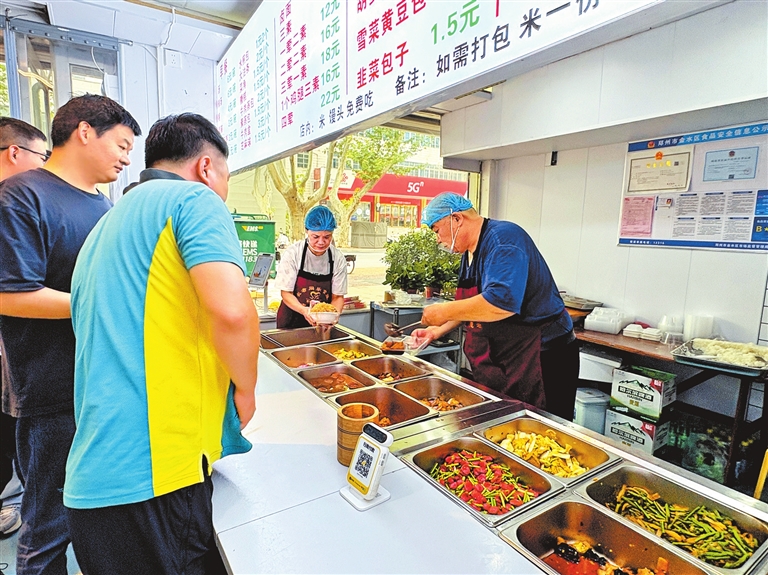
Core Viewpoint - Community canteens are emerging across the country to address the dining difficulties faced by the elderly and children, but while some are thriving, others struggle to sustain operations and face closure [2][8]. Group 1: Successful Community Canteens - The "Elderly Happy Canteen" in Zhengzhou has become popular, serving around 300 customers daily, with a significant increase in revenue since its opening [3][5]. - The canteen offers affordable meal options, with prices ranging from 10 to 12 yuan for various dishes, and provides free rice and steamed buns [3]. - The canteen has implemented a consumption card system for seniors, allowing them to enjoy discounts and ensuring convenience for those who may not use mobile payment [5]. Group 2: Challenges Faced by Community Canteens - Some community canteens are struggling with operational losses and have only recently achieved break-even, highlighting the challenges of maintaining low prices while managing costs [7]. - Issues such as poor location, inability to meet diverse dietary preferences, and competition from commercial dining options and delivery services hinder the sustainability of many canteens [8][9]. - The need for community canteens to evolve beyond just providing meals to become social hubs and offer additional services is emphasized as a way to enhance their viability [8][10]. Group 3: Future Directions and Recommendations - Experts suggest that community canteens should focus on professional market operations and attract a broader customer base, including working professionals and dual-income families [8]. - A performance-based subsidy system is recommended to incentivize successful canteens while reducing support for underperforming ones, fostering innovation and improvement [9]. - The long-term success of community canteens requires collaboration among government, communities, and society to create a sustainable and resource-sharing mechanism [10].