
神经调控技术

Search documents
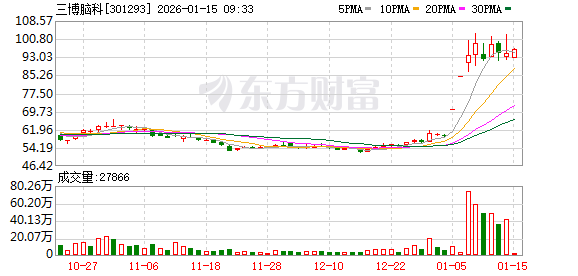
三博脑科:公司神经调控技术带来的收入占公司营业收入比重很小,对公司业绩基本没有影响
Mei Ri Jing Ji Xin Wen· 2026-01-15 01:33
Core Viewpoint - Sanbo Brain Science (301293.SZ) is making progress in its brain-computer interface (BCI) business, but its main revenue still comes from high-end neurosurgery services, with BCI technology currently contributing minimally to overall performance [2]. Group 1: Surgical Trials - The company has completed one interventional brain-computer interface surgery at its Fujian branch, with no other surgeries reported within the group [2]. Group 2: External Investment and Collaboration - Sanbo Brain Science has previously invested in three brain science funds and has established a joint research center for precision medicine in collaboration with Tsinghua University’s School of Biomedical Engineering [2]. - Ongoing projects related to these collaborations are still in progress [2]. Group 3: Revenue Impact - The revenue generated from the company's neuromodulation technology is currently very small, having a negligible impact on the company's overall performance [2].


近5亿融资!肺部神经调控系统完成A轮
思宇MedTech· 2026-01-12 04:18
Core Viewpoint - Spiro Medical has completed a $67 million (approximately 470 million RMB) Series A funding round to support the development of its Pulmonary Neuromodulation (PNM) system, aimed at treating respiratory diseases such as asthma [2][10]. Group 1: Funding and Development - The funding will be utilized for the ongoing research and clinical studies necessary to meet regulatory requirements in the U.S. [2][10]. - Post-funding, the company's primary focus will be on engineering improvements and clinical validation of the PNM system [2][10]. Group 2: Technology Overview - Neuromodulation technology aims to adjust nerve signal transmission through implanted or non-implanted devices to improve specific disease-related nerve functions [4][6]. - The PNM system is designed to directly influence nerve pathways related to respiratory function, potentially reducing reliance on conventional medications for asthma [6][8]. Group 3: Clinical Progress - Spiro Medical has completed an early exploratory clinical study, which indicated that the PNM technology could control asthma symptoms without medication, improving quality of life for some participants [10]. - The company holds three authorized patents, establishing a foundational intellectual property base for future development [10]. Group 4: Company Profile - Spiro Medical, based in Irvine, California, focuses on developing the PNM system for treating respiratory diseases, particularly asthma [12]. - The PNM system integrates implanted medical devices, neuromodulation technology, and digital tools, aiming for a minimally invasive approach to affect airway reactivity [12]. Group 5: Future Directions - The company plans to continue product development and clinical validation centered on asthma, while also exploring applications for chronic cough and chronic obstructive pulmonary disease (COPD) [12][13]. - The completion of the funding round is seen as a critical support for the exploration of this emerging technology, although its long-term clinical value and applicable patient demographics require further data [13].

速递|戴耳机能减肥?Modius产品FDA批准上市,六个月减脂13%
GLP1减重宝典· 2025-12-16 08:34
Core Viewpoint - Neurovalens has received FDA De Novo approval for its non-invasive weight management product, Modius Lean, which utilizes neurostimulation technology to aid in weight loss and body composition management [4][6][7]. Product Development - Modius Lean is designed to send gentle electrical pulses to the brain 60 minutes before sleep, helping to reduce visceral fat while maintaining lean body mass [6]. - The product has shown a clinically significant improvement, with a 13% average reduction in visceral fat over six months in a study involving 241 overweight and obese adults [6]. Market Strategy - With the De Novo approval, Neurovalens can now sell Modius Lean directly in the U.S. market with a prescription, marking a significant step in the company's long-term growth strategy [6][7]. - The company plans to expand its clinical research to include additional indications, having already submitted an application for PTSD [6]. Financial Background - Neurovalens has raised approximately £20 million (around $27 million), including an $8.1 million funding round completed earlier this year [6]. Industry Context - The CEO of Neurovalens highlighted that about three-quarters of adults in the U.S. are considered overweight or obese, indicating a growing market for low-risk, non-invasive treatment options like Modius Lean [7].

美敦力新品获批!尿失禁治疗新突破
思宇MedTech· 2025-09-22 04:20
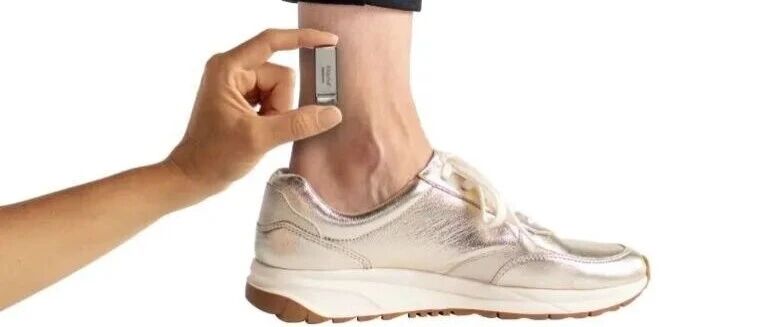
Core Viewpoint - Medtronic's Altaviva device has received FDA approval as the first implantable tibial nerve stimulation device for treating overactive bladder (OAB), specifically urgency urinary incontinence (UUI), offering a new treatment option for millions of patients suffering from this condition [2][12]. Group 1: Technology and Clinical Features - The Altaviva device is implanted through a small incision at the ankle, making it a minimally invasive procedure that does not require sedation or imaging guidance, thus simplifying the operation [3]. - The device is approximately the size of half a piece of gum and is implanted just above the subcutaneous fascia, ensuring it does not interfere with daily activities [5]. - Compared to traditional therapies, Altaviva offers low invasiveness and long-term efficacy, emphasizing "no daily maintenance," which reduces the burden on patients [7]. Group 2: Clinical Trial Data - The approval of Medtronic's Altaviva is based on a series of clinical studies, including the TITAN 2 pivotal trial (NCT05226286) and the TITAN 1 feasibility study (NCT04873271) [8][9]. - The mechanism of action involves delivering electrical pulses to stimulate the tibial nerve, helping restore nerve signal transmission between the bladder and the brain, thereby improving bladder control [10]. - The core evidence for FDA approval included data from 188 UUI patients, showing that at 6 months post-implantation, at least 50% of patients experienced a reduction in UUI episodes [11]. - Safety data reported five adverse events related to the device or procedure, with one severe case requiring device removal after six weeks [11]. Group 3: Market Overview - Urinary incontinence is a widespread health issue globally, significantly impacting patients' quality of life, with over 25 million adults in the U.S. affected, particularly women over 50 [13]. - The global urinary incontinence treatment device market was valued at approximately $3.1 to $3.8 billion in 2023, projected to reach $6 to $6.5 billion by 2032, with a compound annual growth rate (CAGR) of 8% to 11% [13]. - Sacral nerve stimulation (SNS) is currently the most common implantable therapy in this field, with a market size of around $1.6 billion in 2023, expected to grow at a CAGR exceeding 11% by 2030, particularly in the Asia-Pacific region [13]. Group 4: Product Structure and Regional Market - Among various treatment options, the urethral sling represents the largest revenue-generating product category, with a market size exceeding $1.5 billion in 2023 [14]. - The U.S. remains the largest single market for urinary incontinence treatments, projected to reach approximately $3.78 billion by 2025, while the Chinese market is also growing rapidly, expected to reach about $380 million by 2025, with a similar CAGR of around 11% [14]. Group 5: Industry Trends - The launch of Medtronic's Altaviva device reflects a shift in the urinary incontinence treatment landscape, moving from traditional sacral nerve stimulation to more targeted and compact implantable solutions, indicating a growing demand for "minimally invasive, long-lasting, and high-compliance" treatments [16]. - The significant unmet treatment needs among the large population of urinary incontinence patients are driving accelerated investments in this field, with Altaviva's approval reinforcing Medtronic's leadership in nerve modulation and setting a new direction for product iteration in the industry [16].

进入创新通道!植入式神经刺激系统
思宇MedTech· 2025-04-14 10:56
报名:首届全球眼科大会 | 议程更新 报名:首届全球骨科大会 | 议程更新 报名:首届全球心血管大会 | 奖项申报 合作伙伴征集:2025全球手术机器人大会 2025年3月26日,NMPA公布了创新医疗器械特别审查申请审查结果公示(2025年第3号),有 14款产品 进入创新通道。其中包括, 博睿康医疗科技(上海)有限 公司 申请的 植入式神经刺激系统 。 # 研究背景 随着全球老龄化加剧, 神经退行性疾病 (如帕金森病、癫痫等)的患病率不断攀升,植入式神经刺激系统的需求也日益增长。近年来,医疗技术的飞速发展显著提 升了植入式神经刺激系统的治疗效果与安全性,使其在慢性疼痛、抑郁症、帕金森病、癫痫、尿失禁、肌张力障碍等众多疾病的治疗中展现出广阔的应用前景。 植入式神经刺激系统 是一种通过电刺激神经系统来治疗疾病的医疗设备,通常由 电极、脉冲发生器和电池 等组成。它通过精确的电信号调节神经活动,从而改善或 恢复功能。根据不同的应用领域,植入式神经刺激系统可分为 脑深部刺激器、脊髓刺激器、迷走神经刺激器、骶神经刺激器、胃刺激器 等。 # 植入式神经刺激系统分类 脑深部刺激(DBS) 脑深部刺激是通过植入脑深部特定核 ...