离岸金融成本

Search documents
2026年香港银行:进入全面收费时代,非港籍用户何去何从?
Sou Hu Cai Jing· 2026-01-29 10:46
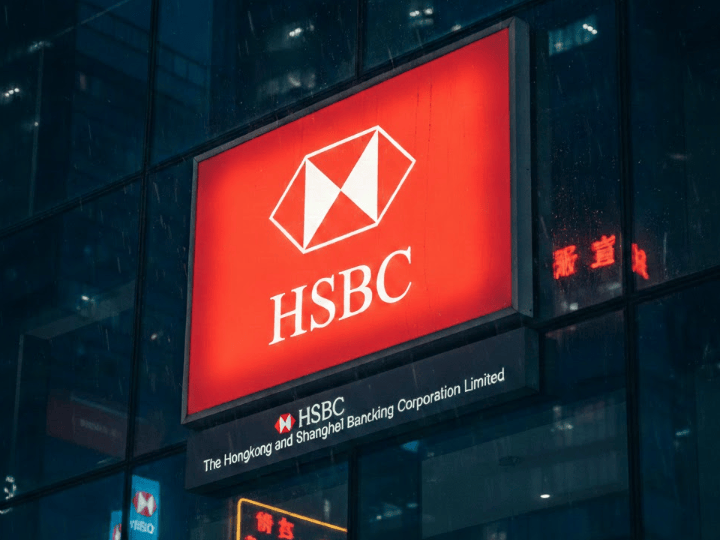
Core Viewpoint - The era of "zero-cost holding of Hong Kong accounts" will officially end on January 1, 2026, as major banks in Hong Kong adjust their account management fee policies [1]. Group 1: HSBC's New Fee Policy - HSBC, as one of the largest banks in Hong Kong, will implement a new fee policy starting January 1, 2026, primarily affecting non-Hong Kong ID holders with the HSBC One account [3]. - Non-Hong Kong ID holders must maintain an average total wealth of HKD 10,000 over three months to avoid a monthly service fee of HKD 100, which totals HKD 1,200 annually [3][5]. - Local residents holding a Hong Kong ID are exempt from this new fee, reflecting the bank's protective policy towards local customers [3]. Group 2: Implementation Details and Transition Period - The new regulations will take effect on January 1, 2026, with the first three complete calendar months post-account activation serving as the assessment period [4]. - Customers who completed their applications and identity verification by December 31, 2025, will be considered "old rule customers" and will not be subject to the new TRB assessment [4]. Group 3: Comparative Analysis of Other Banks - Bank of China Hong Kong offers a more user-friendly account system with various tiers, where the lowest tier requires a minimum balance of HKD 10,000, with actual user feedback indicating current exemptions from management fees [5]. - Standard Chartered Bank has a clear differentiation strategy, with high thresholds for its priority accounts and lower thresholds for its easy wealth accounts, impacting mainland residents due to policy restrictions [5]. - Citibank targets high-net-worth individuals, requiring a monthly average balance of HKD 1.5 million to waive a management fee of HKD 500 [5]. Group 4: Cross-Border Transfer Fees - The article outlines typical fees for cross-border transfers among major banks, with HSBC's outgoing remittance fees ranging from HKD 100 to HKD 240 [7]. - Other banks, such as Bank of China Hong Kong and DBS Bank in Singapore, have varying fee structures, with some offering lower fees for electronic channels [7]. Group 5: Recommendations for Different Customer Segments - For small cross-border payment and travel needs, virtual banks in Hong Kong or basic savings accounts in Singapore are recommended due to their low-cost financial touchpoints [10]. - Middle-class global allocators should establish wealth management accounts in Hong Kong or Singapore to waive management fees and reduce cross-border transfer costs [10]. - High-net-worth individuals should leverage global priority banking or private banking services to achieve account linkage across borders, ensuring fee waivers and competitive exchange rates [10].