科技产品窃密风险

Search documents
这个间谍窃密风险,太惊人
Xin Lang Cai Jing· 2025-07-31 00:26
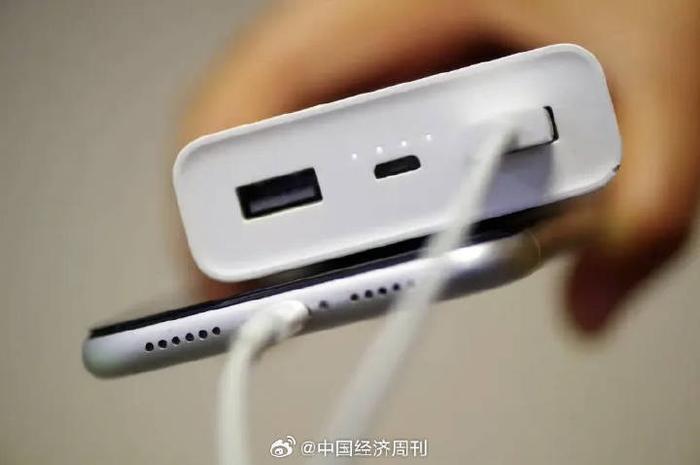
Core Viewpoint - The recent warning from the National Security Administration highlights the potential risks associated with shared power banks, indicating they may be used by foreign entities and criminals to steal personal and sensitive information [1][4]. Group 1: Risks of Shared Power Banks - Shared power banks can be compromised at various stages, from manufacturing to deployment, making them vulnerable to exploitation by malicious actors [2]. - Some foreign entities have reportedly installed microchips within power banks, which can create a data channel when a phone is connected, allowing for the theft of private information such as contacts, photos, and payment passwords [4]. - Users are often less vigilant when their phones are low on battery, leading them to inadvertently grant permissions that could allow attackers to access their data [4]. Group 2: Broader Security Concerns - The risk of information leakage is not limited to shared power banks; other technological products may also contain "backdoors" that can be exploited [5]. - Devices such as smart speakers and cameras can be remotely controlled if they have security vulnerabilities, potentially leading to unauthorized access to sensitive conversations and data [8]. - Public WiFi networks pose additional risks, as demonstrated by incidents where users' payment information was intercepted by hackers [8]. Group 3: Recommendations for Users - Users are advised to choose reputable brands for charging devices and to avoid products with signs of tampering or unknown origins [10]. - It is recommended to be cautious with permission requests when connecting devices and to reject unnecessary permissions [10]. - Users should monitor their devices for unusual behavior, such as overheating or frequent pop-ups, and take immediate action if such issues arise [10].