芯片

Search documents
2026年中国宏观经济及大宗商品展望:通胀被动抬升,衰退交易处于酝酿中
Shan Jin Qi Huo· 2026-03-31 02:14
1. Report Industry Investment Rating No relevant content provided. 2. Core Viewpoints of the Report - The macro - economy in 2026 will be a year of real weak recovery, with the macro - economy consolidating its bottom, exports supporting, investment stabilizing, consumption remaining weak, prices rising moderately, and global recession risks accumulating [79]. - Policy will remain positive, with fiscal policy staying active and the low - interest - rate environment unchanged. The central bank may cut interest rates ahead of other central banks when the market turns to recession trading [79]. - In asset allocation, in the short term, commodities > bonds > stocks; in the medium - to - long term, stocks > bonds > commodities [79]. 3. Summary by Directory 3.1 Macro - economic Fundamentals - **Industrial Value - added**: In the first two months, the growth rate of industrial value - added accelerated, and the high - tech manufacturing industry grew by 13.1%, 6.8 percentage points faster than all industrial enterprises above a designated size [8][11]. - **Fixed - asset Investment**: At the beginning of the year, the growth rate of fixed - asset investment rebounded. In the first year of the 15th Five - Year Plan, many projects that should have started last year will start in 2026 [13][16]. - **Total Retail Sales of Consumer Goods**: The growth rate of total retail sales of consumer goods declined. Consumers' consumption is restricted by factors such as weak income and income expectations, high household leverage, imperfect social security, and low proportion of disposable income in GDP [17][19]. - **Inflation**: Inflation rebounded, mainly due to the base effect. The prices of eggs and pigs decreased year - on - year, while the year - on - year increase in crude oil prices drove up CPI and PPI, with PPI expected to rise faster [20][23]. - **Unemployment Rate**: The overall unemployment rate increased, but the youth unemployment rate decreased. The use of AI and robots and the increase in structural unemployment make it more difficult to create new jobs [24][27][28]. - **Manufacturing PMI**: The manufacturing PMI continued to be weak. In the PMI sub - items, the purchase price of main raw materials was above the boom - bust line, the ex - factory price sub - item remained stable, and other sub - items were below the boom - bust line [29][33]. - **Production and Inventory**: Production was significantly stronger than demand, the inventory of finished products was rising, and downstream demand was weaker [34][37]. - **Construction Industry**: The PMI and important sub - items of the construction industry were at a low level in recent years, indicating the downturn of the construction industry [39]. - **Exports**: Import and export growth rates were much better than expected, and exports were very resilient. In the first two months of this year, the growth rate of exports to the US was stable, and the trade surplus in the first two months exceeded $20 billion, expected to exceed last year's level, which will support the RMB exchange rate [41][43]. - **Chip Industry**: In recent years, the effect of chip import substitution has emerged. The growth rate of chip exports is much higher than that of imports, and the scale of chip exports is increasing year by year. It is expected that China will become a net exporter of chips in 5 - 10 years [45]. - **Automobile Industry**: The production, sales, and export volume of automobiles reached new highs last year. Although the sales growth rate of domestic automobiles may face pressure due to the reduction of subsidies, the overall sales scale can probably be maintained. This year, automobile exports are expected to reach 9 - 10 million vehicles, with a year - on - year growth rate of over 10% [48]. - **Profits of Industrial Enterprises above Designated Size**: The profit growth rate of industrial enterprises above designated size rebounded, mainly due to the rapid recovery of profits in the upstream mining industry, but the profit margins of the mid - and downstream manufacturing and energy industries declined [49][53]. - **M1 and M1 - M2 Scissors Difference**: The growth rate of M1 rebounded, and the M1 - M2 scissors difference converged rapidly. Historically, when the M1 - M2 scissors difference turns positive, PPI will also turn positive, and the current stock market may be accompanied by a commodity bull market [54][56]. - **Real Estate**: The data reflecting the scale of real - estate under construction has returned to the level of 2005, and housing prices continued to decline month - on - month. The real - estate market is still in the bottom - building process. There is almost no demand for "speculating in real estate" among residents, and the stock market may be the only large - scale asset that can absorb a large amount of liquidity [58]. - **Deposit Transfer**: There is still room for deposit transfer. The ratio of the total market value of the stock market to household deposits is still at a low level, and the trend of households allocating more assets to the stock market has just begun [59][61]. - **Government Leverage**: The government department's leverage ratio is relatively low, and there is still room for increasing leverage. The loose fiscal policy is expected to last for a long time [64]. - **Macro - capital**: The macro - capital will remain loose for a long time. The 7 - day reverse repurchase rate has remained low for a long time, and the capital interest rate still has room to decline [66][68]. - **Bank Settlement and Sale of Foreign Exchange**: The bank settlement and sale of foreign exchange has been in a large - scale surplus, and the RMB exchange rate is likely to remain stable [69]. 3.2 China's Energy System and Industrial Chain Advantages Highlighted by the US - Israel - Iran Conflict No detailed content provided in the given text. 3.3 Commodity Outlook in 2026: Caught between Supply - driven Inflation and Recession - **Crude Oil**: The conflict between the US and Iran makes it difficult to reach a peace agreement in the short term. Even if an agreement is reached, the damaged crude - oil production facilities cannot be repaired in the short term. High oil prices will push up inflation and suppress demand, eventually leading to an economic recession, but the market has not yet priced in the economic recession [77]. - **Other Commodities**: For commodities closely related to consumption, such as pigs and eggs, there are few opportunities. Crude - oil chemical products may continue to strengthen driven by rising crude - oil prices. Precious metals and non - ferrous metals are weak due to the digestion of interest - rate hike expectations, and high - priced varieties will face great callback pressure when the market enters recession trading [79]. 3.4 Main Conclusions and Suggestions - **Macroeconomic Outlook**: The macro - economy will consolidate its bottom, with exports supporting, investment stabilizing, consumption remaining weak, prices rising moderately, and global recession risks accumulating. Policy will remain positive, and the central bank may cut interest rates ahead of other central banks when the market turns to recession trading [79]. - **Asset Allocation**: In the short term, commodities > bonds > stocks; in the medium - to - long term, stocks > bonds > commodities. Do not have high expectations for consumption - related commodities, and pay attention to crude - oil chemical products and some under - performing varieties [79].
英伟达逼近技术性熊市 预期市盈率创7年新低
Di Yi Cai Jing· 2026-03-30 23:27
Group 1 - The core viewpoint is that Nvidia's stock price is under pressure due to concerns over war, inflation, and skepticism regarding AI spending, leading to a decline in its expected price-to-earnings (P/E) ratio to the lowest level since early 2019 [2] - Nvidia's current expected P/E ratio is approximately 19.6, which is lower than the S&P 500 index's P/E ratio of about 20 [2] - On Monday, Nvidia's stock fell by 1.40%, closing at $165.17, which is nearly a 20% drop from its historical closing high in October 2025, approaching a technical bear market, with a cumulative decline of about 10% in the first quarter of this year [2]


国常会专题部署服务业——政策周观察第73期
一瑜中的· 2026-03-30 08:31
Core Insights - The article emphasizes the importance of the service industry as a crucial component of the modern industrial system, highlighting its relationship with high-quality development and modernization [2][8] - It discusses the upcoming Digital China Summit, which will showcase advancements in digital transformation from nearly 400 companies, indicating a strong focus on the digital economy [2][12] - The article also addresses the government's initiatives in hydrogen energy, aiming for significant application and cost reduction by 2030 [3] Policy Focus on Industries - The service industry was highlighted in a State Council meeting on March 27, where it was stated that the service sector is vital for high-quality development and modernization. The government aims to explore its potential and enhance its contribution to the economy [2][8] - The Digital China Summit, scheduled for April 29-30, will feature major companies like Alibaba and ZTE, presenting innovations in digital technologies, including chips and intelligent systems, which reflects the government's push for digital economy growth [2][12] - The Ministry of Industry and Information Technology announced plans for hydrogen energy applications, targeting a reduction in hydrogen prices to below 25 yuan per kilogram by 2030, with a goal of doubling the number of fuel cell vehicles by 2025 [3] Other Noteworthy Policies - A meeting on March 23 focused on the high-quality development of the Xiong'an New Area, emphasizing the need for orderly relocation of non-capital functions from Beijing [4][8] - The Ministry of Commerce initiated investigations into trade barriers imposed by the U.S., indicating ongoing trade tensions and the government's proactive stance in protecting domestic industries [4][10]

【买卖芯片找老王】260330 华邦/三星/GD/NXP/ALTERA/ISSI/TI
芯世相· 2026-03-30 06:52
Core Insights - The article discusses the challenges of managing excess inventory in the semiconductor industry, highlighting the financial burden of storage and capital costs associated with unsold materials [1] - It promotes a service called "Chip Superman," which has served 22,000 users and offers rapid transaction completion for inventory clearance [9] Group 1: Inventory Management - Excess inventory of 100,000 units incurs monthly storage and capital costs of at least 5,000, leading to a potential loss of 30,000 after six months [1] - The article emphasizes the difficulty in promoting and selling excess materials, suggesting that companies can seek assistance from Chip Superman to improve sales outcomes [1][10] Group 2: Inventory Offerings - A list of available materials for sale includes various brands and models, with quantities ranging from 3,000 to 90,000 units [4][5] - The total inventory at Chip Superman includes over 1,000 models from 100 brands, with a total of 50 million chips valued at over 100 million [8] Group 3: Purchase Requests - The article also includes a list of requested materials, indicating demand for specific components from brands like Infineon and ST, with quantities ranging from 3,000 to 20,000 [6][7]

【宏观快评】:国常会专题部署服务业——政策周观察第73期
Huachuang Securities· 2026-03-30 04:44
Group 1: Policy Focus - The State Council meeting emphasized the importance of the service industry as a key component of the modern industrial system, highlighting its relation to high-quality development and modernization[2] - The upcoming Digital China Summit will feature nearly 400 companies showcasing the latest technologies and products related to digital transformation, scheduled for April 29-30 in Fuzhou, Fujian Province[2] - The Ministry of Industry and Information Technology announced plans for hydrogen energy applications, aiming for an average hydrogen price below 25 yuan per kilogram by 2030, with a target of 100,000 fuel cell vehicles by 2025[3] Group 2: Economic Development Initiatives - The government aims to enhance the service sector by promoting specialized and high-value production services, as well as improving the quality and diversity of life services[9] - A new long-term care insurance system is set to be established nationwide within three years, ensuring coverage for all workers and residents, with principles of fairness and sustainability[14] - The government is focusing on reducing trade barriers with the U.S., launching investigations into practices that hinder green product trade and disrupt global supply chains[10] Group 3: Risk and Monitoring - There is a risk of delayed policy updates, which could impact the effectiveness of the initiatives discussed[4] - The report includes a call for a comprehensive evaluation system for service industry development to mobilize various stakeholders effectively[9]
马斯克“芯片宏图”招聘启动:年薪233万,7×24小时on-call
量子位· 2026-03-28 06:33
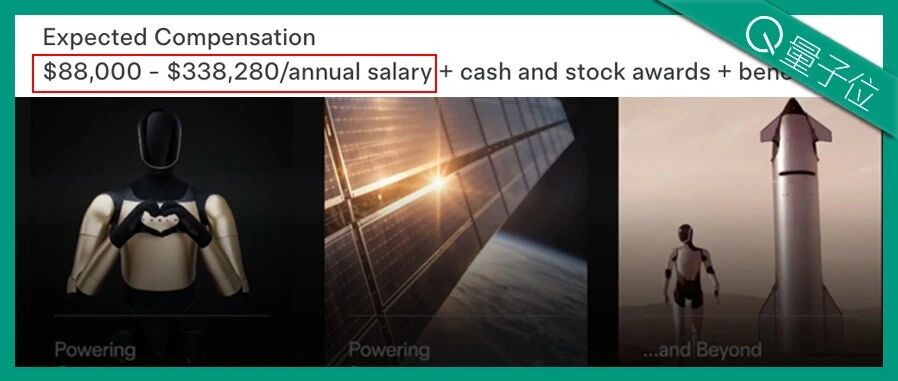
Core Viewpoint - Elon Musk's Terafab chip initiative aims to produce 1 terawatt of computing power annually, which is 50 times the current global AI computing output, indicating a significant ambition in the semiconductor industry [4][23]. Group 1: Recruitment and Job Positions - Tesla has posted job openings for various positions related to the Terafab project, including roles for lithography engineers in California and silicon engineers in Texas, with salaries reaching up to $338,280 per year (approximately 2.33 million RMB) [2][3][14]. - The job requirements emphasize extensive experience, with some positions requiring at least 10 years in semiconductor development, and a 24/7 on-call availability for production support [11][20]. - The recruitment strategy reflects Tesla's focus on hiring specialized talent in chip manufacturing, with positions specifically targeting expertise in advanced logic chip manufacturing processes [8][10]. Group 2: Terafab's Goals and Production Plans - Terafab's objective is to integrate the design and manufacturing of logic and memory chips under one roof, aiming for a process node of 2nm [27]. - The initiative plans to produce two types of chips: one optimized for edge computing and inference for Tesla's FSD and Optimus robot, and another high-performance chip designed for space applications for SpaceX and xAI [30]. - Approximately 80% of the computing power is intended for deployment in space, as Musk believes that terrestrial infrastructure cannot support such a high demand for computing power [31][32]. Group 3: Financial Aspects and Challenges - UBS analysts estimate that the total cost of the Terafab project could reach $300 billion, with SpaceX planning an IPO to raise $50 billion, potentially valuing the company at over $1.75 trillion [34][35]. - While funding may be addressed over time, the more pressing challenge lies in recruiting skilled talent in a highly competitive market, as the semiconductor industry faces a structural shortage of experienced workers [39][41]. - The project aims to build a comprehensive chip factory from scratch, which requires not only financial resources but also a deep pool of experienced professionals who understand the complexities of semiconductor production [38][42].

这种半导体原料,告急
半导体行业观察· 2026-03-28 01:12
Core Viewpoint - The ongoing conflict in the Middle East has led to a tightening supply of helium, a critical but often overlooked component in the artificial intelligence and data infrastructure industry, particularly in semiconductor manufacturing and cooling systems [1][2]. Group 1: Importance of Helium - Helium plays a crucial role in semiconductor manufacturing by providing a stable gas environment that ensures precision in production processes, preventing chemical reactions that could lead to defects [1][2]. - In cooling systems, helium efficiently dissipates heat from servers and core components, making it essential for high-density operations in AI data centers [1]. - Helium is necessary for various processes in wafer manufacturing, including plasma etching and chemical vapor deposition, ensuring uniform temperature control during high-precision procedures [1]. Group 2: Supply Chain Risks - The helium supply chain is under significant threat due to the ongoing Middle East conflict, with Qatar, which produces about one-third of the world's helium, facing production disruptions [2][3]. - Damage to Qatar's energy infrastructure, particularly the Ras Laffan industrial city, has resulted in a projected 14% reduction in annual helium exports, with recovery expected to take several years [3]. - The U.S. is the largest helium producer, but domestic consumption limits its ability to quickly address global supply shortages [2][3]. Group 3: Market Impact - The price of helium has doubled since the onset of the conflict, with further increases anticipated as supply chain disruptions continue [4]. - The semiconductor industry may face production slowdowns or halts if helium shortages persist, as companies rely heavily on this gas for manufacturing processes [3][4]. - Finding alternative solutions is challenging due to long-term contracts in helium trade and strict purity requirements for semiconductor manufacturing [4].

这个月,又有哪些芯片厂商涨价了?
芯世相· 2026-03-27 06:48
Core Viewpoint - The semiconductor industry is experiencing a widespread price increase across various segments, with many companies announcing price adjustments effective from April 1, 2026, due to rising costs in raw materials and manufacturing [4][6][12]. Group 1: Price Increases in Raw Materials and PCB - Major Japanese companies like Mitsubishi Gas Chemical and Mitsui Kinzoku are planning to raise prices for essential materials such as copper foil and CCL by up to 30% starting April 1, 2026 [10][9]. - Taiwanese wafer foundries, including UMC and World Advanced, are expected to increase their prices by up to 10% or more, with New唐科技's wafer foundry division adjusting prices by approximately 20% [15][16]. - The price of passive components, including MLCCs, is also set to rise significantly, with Murata announcing increases of 15%-35% for AI server and automotive-grade products [18][12]. Group 2: Price Adjustments by Major Semiconductor Companies - Companies such as Texas Instruments (TI), NXP, and STMicroelectronics have confirmed price hikes effective from April 1, 2026, due to escalating costs [36][42][47]. - Analog semiconductor manufacturer MPS plans to adjust prices for certain products starting May 1, 2026, in response to rising costs across the supply chain [38]. - Allegro, a well-known magnetic sensor manufacturer, will implement a price increase of at least 10% for all products effective April 27, 2026 [50]. Group 3: Industry-Wide Impact - The price increase trend is not limited to specific regions, as companies from Japan, Taiwan, Europe, and domestic manufacturers are all participating in this price adjustment wave [6][12]. - A total of 23 semiconductor upstream and downstream companies have announced price increases since March, indicating a significant industry-wide inflationary pressure [5].

【买卖芯片找老王】260327 华邦/ADI/飞索半导体/扬杰/安世/风华/罗姆/村田
芯世相· 2026-03-27 06:48
Core Viewpoint - The article discusses the challenges of managing excess inventory in the semiconductor industry, highlighting the financial burden of storage and capital costs associated with unsold materials, while promoting a service that facilitates quick transactions for surplus stock [1][9]. Group 1: Inventory Management - A significant amount of excess inventory, specifically 100,000 units, is causing financial strain due to monthly storage and capital costs of at least 5,000, leading to a potential loss of 30,000 if held for six months [1]. - The company offers a platform, "Chip Superman," which has served 22,000 users, to help sell excess inventory quickly, often completing transactions within half a day [9][10]. Group 2: Inventory Listings - The article lists various semiconductor components available for sale, including brands like Winbond, Infineon, and Micron, with quantities ranging from 1,728 to 576,000 units across different models [4][5][6]. - Specific components include Winbond's W25Q16JVBYIQ with 90,000 units and Micron's MT25QL256ABA1EW9 with 5,760 units, showcasing a diverse inventory [4][5]. Group 3: Demand for Components - The article also includes a request for specific components, indicating ongoing demand in the market, such as 12,000 units of Infineon's TDA22594A and 20,000 units of ST's LSM6DSOTR [7]. - This demand reflects the dynamic nature of the semiconductor market, where certain components are sought after, indicating potential investment opportunities [7]. Group 4: Warehouse and Quality Control - The company operates a 1,600 square meter smart warehouse with over 1,000 models and a total inventory of 50 million chips, valued at over 100 million [8]. - Each component undergoes quality control checks in an independent laboratory, ensuring reliability for customers [8].

深夜美股半导体大跳水,闪迪跌超6%,中概股普跌,小马智行重挫14%
Xin Lang Cai Jing· 2026-03-26 14:41
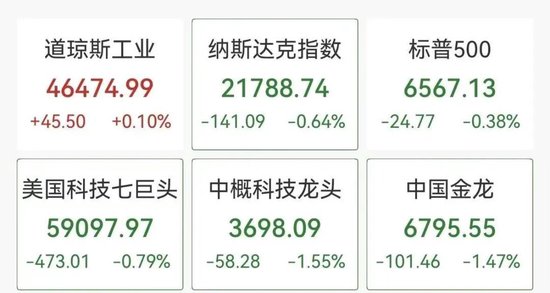
Market Overview - On March 26, US stock indices opened lower but saw a short-term rebound, with the Dow Jones Industrial Average rising by 0.1%, while the Nasdaq fell by 0.64% and the S&P 500 declined by 0.38% [8][10]. Technology Sector Performance - Major tech stocks experienced more declines than gains, with Nvidia and Google dropping over 1%, Tesla down 0.7%, and Facebook hitting its lowest level since May 2025, down 2.8% due to a lawsuit related to social media harm to teenagers [10][12]. - The Philadelphia Semiconductor Index fell by 2.45%, led by declines in the storage chip sector, with SanDisk down over 6%, Micron Technology, Western Digital, and Seagate Technology down over 4% [10][12]. - Other notable declines included ASML and TSMC down over 3%, and Intel and AMD down over 2% [10][12]. Chinese Stocks - The Nasdaq Golden Dragon China Index fell by 1.47%, with several popular Chinese stocks declining, including Xiaoma Zhixing down over 14%, and XPeng, Sohu down over 4%, while Alibaba, Bilibili, and Baidu Group fell over 2% [11][12]. Commodity Market - Spot gold fell over 1.3%, currently priced at $4453 per ounce, while silver's decline narrowed to 3%, priced at $69 per ounce [12]. - International oil prices saw both WTI and Brent crude oil rise over 3%, with WTI at $93.5 per barrel and Brent at $101 per barrel [12]. Cryptocurrency Market - Major cryptocurrencies continued to decline, with Bitcoin down over 2.67%, priced at $69,542 per ounce, and a total of nearly 90,000 liquidations in the market over the past 24 hours [12][13].