
科技评价改革

Search documents
“指挥棒”变了创新的航道就变了
Xin Lang Cai Jing· 2026-02-01 21:21
Core Viewpoint - The article emphasizes the need for a reform in the technology evaluation system to better align scientific innovation with the high-quality development needs of the country, moving away from a focus on quantity and prestige towards innovation capability, quality, effectiveness, and contribution [1][2]. Group 1: Reform Objectives - The reform aims to shift the evaluation focus from "paper achievements" and quantitative indicators to a new emphasis on innovation capabilities and real-world impact [2]. - The new evaluation system will assess research based on its ability to solve critical technological challenges, convert into productive forces, enhance public welfare, and support national security and development [2]. Group 2: Implementation Examples - Universities like Xi'an Jiaotong University and China Agricultural University are already implementing new evaluation criteria that reward significant technology transfer achievements and practical impacts on agriculture, rather than solely academic publications [2]. Group 3: Challenges Ahead - The reform faces challenges in ensuring scientific and fair evaluation standards for different types of research activities, avoiding the emergence of new simplistic evaluation criteria [3]. - Balancing market evaluation with long-term strategic investments poses a challenge, particularly in ensuring that essential but currently unprofitable research is not neglected [3]. - Establishing a new, diverse, and credible evaluation system while transitioning from the old one requires careful planning and cultural shifts within the academic community [3]. Group 4: Strategic Considerations - The reform will disrupt existing interest structures and requires strategic wisdom from technology management departments to navigate resistance and avoid policy inconsistencies [4]. - The ultimate goal is to integrate technological innovation deeply into national modernization efforts, ensuring that researchers understand and respond to the real needs of society [4]. Group 5: Broader Implications - This reform represents a significant shift in the operational ecology of Chinese research and the overall direction of the innovation system, potentially reshaping resource allocation and the competitive landscape in global technology [5].
从“破四唯”到“立新标”科技评价改革风生水起
Xin Lang Cai Jing· 2026-02-01 21:21
Core Viewpoint - The article emphasizes the importance of reforming the technology evaluation system in China to enhance innovation capabilities and align research with industrial needs, aiming to break the rigid barriers that have historically constrained technological advancement [3][10]. Group 1: Reform Objectives - The reform aims to shift from a rigid evaluation system focused on "four whys" (papers, titles, degrees, awards) to a more flexible classification evaluation system that prioritizes innovation capability, quality, effectiveness, and contribution [3][5]. - The "14th Five-Year Plan" highlights the need for a new evaluation framework that encourages talent exchange between universities, research institutions, and enterprises, thereby stimulating innovation [3][10]. Group 2: Regional Initiatives - Shandong province is leading the way as the only pilot province for technology reward reform, shifting the focus of evaluations towards significant scientific discoveries and key technological breakthroughs [4][5]. - In 2024, Shandong's comprehensive reform plan will allow for differentiated evaluations based on the specific roles and contributions of various types of talent [5][6]. Group 3: Addressing Systemic Barriers - The article discusses the issue of "two skins" where research and industry needs are disconnected, leading to many valuable research outcomes remaining unutilized [7][8]. - In Shaanxi, reforms are being implemented to facilitate technology transfer and address deep-rooted issues that hinder the commercialization of research outcomes [7][8]. Group 4: Enhancing Research Environment - The article notes that frequent evaluations and lengthy processes create barriers for researchers, particularly young scientists, making it difficult for them to focus on long-term research [10][11]. - Initiatives like Tsinghua University's "Duxi Plan" aim to provide long-term support for basic research without the pressure of immediate publication or project application requirements [10][11]. Group 5: Evaluation Mechanisms - Various regions are broadening evaluation subjects and improving supervision mechanisms to create a more open and fair evaluation environment [11]. - Innovations in evaluation methods, such as integrating third-party assessments and performance evaluation mechanisms, are being adopted to ensure a more comprehensive and just evaluation process [11].

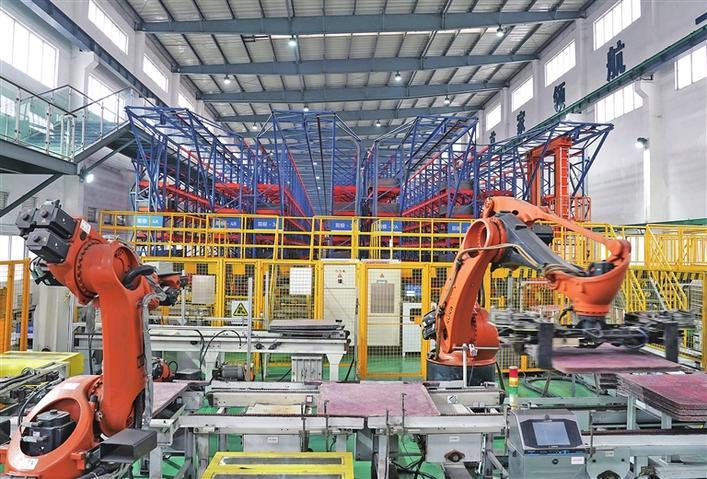
滨州首次评定年度科创成果 112个项目点亮发展新引擎
Xin Lang Cai Jing· 2025-12-31 12:48
Group 1 - The core viewpoint of the article highlights the announcement of 112 technological innovation achievements by the Binzhou Municipal Government for the year 2025, marking the first evaluation based on the newly established evaluation method [1][3] - The evaluation process included a rigorous assessment with nominations, formal reviews, expert evaluations, departmental consultations, and public announcements, ensuring a fair and authoritative outcome [3] - The results showcase three distinct characteristics of Binzhou's current technological innovation landscape, emphasizing the integration of technology and industry, the active role of enterprises in innovation, and the emergence of young talent in the field [1][2] Group 2 - The integration of technology and industry is evident, with 80% of the top achievements belonging to key sectors of the "5210N" modern industrial cluster, which includes high-end equipment, fine chemicals, high-end aluminum, intelligent textiles, food processing, and healthcare [1] - Enterprises played a significant role in the innovation process, leading or deeply participating in 65 out of the 112 achievements, which represents 58% of the total, indicating a shift towards collaborative innovation between enterprises, universities, and research institutions [2] - The establishment of a "Technology Youth Innovation Achievement" category aims to strengthen the reserve of young scientific talent, with 10 selected achievements coming from various sectors, showcasing the vibrant and cross-disciplinary innovation efforts of young researchers [2] Group 3 - The evaluation of technological innovation achievements is part of Binzhou's strategy to implement an innovation-driven development approach, aiming to stimulate social innovation vitality and enhance independent innovation capabilities [3] - The city plans to focus on the transformation of technological achievements by encouraging enterprises to increase R&D investment and by strengthening the technical transfer service system to optimize the innovation ecosystem [3] - The ultimate goal is to accelerate the transition of outstanding technological innovations from laboratories to production lines, transforming technical blueprints into market products [3]