
税式支出

Search documents
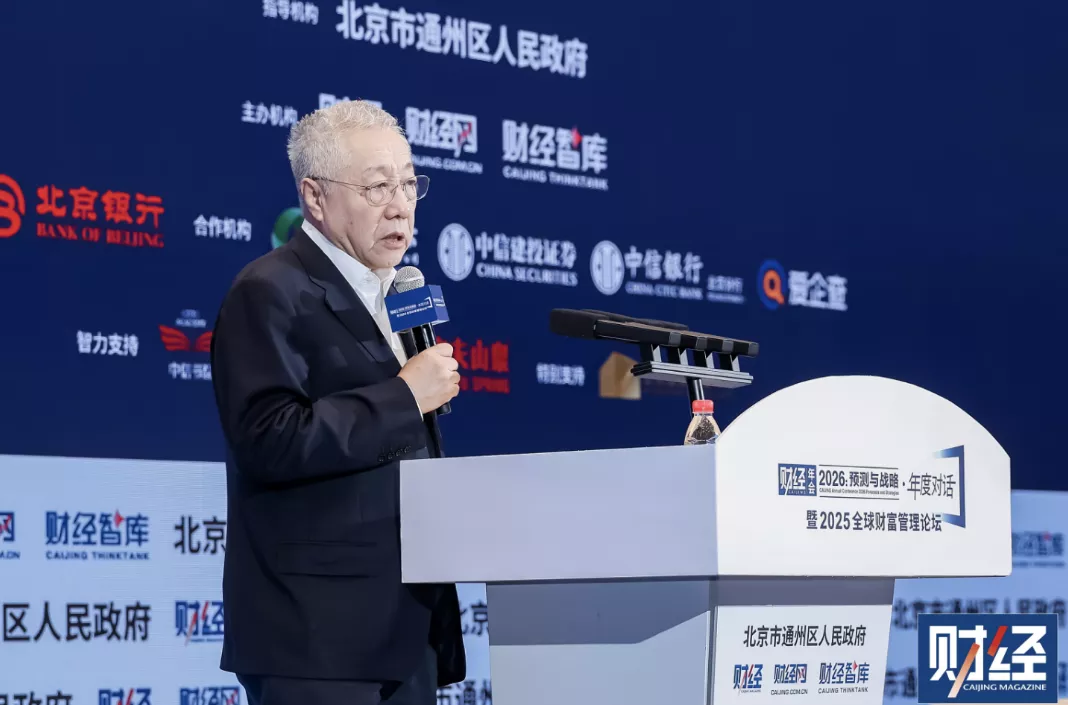
社科院世界社保研究中心主任郑秉文:建议适时适度提高个人养老金缴费额度
Cai Jing Wang· 2025-12-20 07:10
Core Viewpoint - The conference "2026 Annual Dialogue and Global Wealth Management Forum" emphasizes the theme "China's Resilience in Changing Circumstances," focusing on the urgent need for reform in the pension system to address the challenges of an aging population [1]. Group 1: Pension System Reform - Zheng Bingwen suggests increasing the annual contribution limit for personal pensions from the current 12,000 yuan to better meet long-term retirement savings needs [1][16]. - The "1+5-1" framework for social wealth reserves is established, which includes the sovereign pension fund and five pillars of the pension system, minus local subsidies [6][7]. - The total social wealth reserve under the "1+5-1" framework grew from 11.42 trillion yuan in 2019 to 18.79 trillion yuan in 2024, with significant growth in the second pillar, which increased by approximately 170% [7]. Group 2: Features of the "14th Five-Year Plan" - The "14th Five-Year Plan" saw the establishment of the third pillar of personal pensions, with over 100 million accounts opened, surpassing the second pillar's coverage [8]. - The first transfer of state-owned assets to bolster social security funds was completed, with a second transfer planned [8]. - The fourth pillar, which includes commercial insurance products, is entering a system integration phase, indicating a growing market for retirement-related financial products [8]. Group 3: Recommendations for the "15th Five-Year Plan" - The "15th Five-Year Plan" aims to continue the transfer of state-owned assets to enhance social security funds, which are crucial for capital market stability [9]. - It emphasizes the need for a nationwide basic pension insurance system and the establishment of an actuarial system for social insurance [10]. - The plan encourages the development of a multi-tiered pension insurance system, including the promotion of commercial insurance as a supplementary measure [10]. Group 4: Innovations in Wealth Management Tools - Zheng proposes three key recommendations for the Beijing sub-center as a wealth management hub: reforming the enterprise annuity system, promoting synergy between enterprise annuities and personal pensions, and exploring diverse "housing for pension" models [12][14]. - The development of real estate trusts has been initiated, which is seen as an important innovation for families with special needs [13]. - There is a call for policy support for innovative pension products being developed by institutions like the Beijing Housing Security Center [14].

破局深层矛盾 适应改革所需 业界期待预算法大修按下加速键
Zheng Quan Shi Bao· 2025-06-29 18:00
Core Viewpoint - The modification of the Budget Law is essential for advancing the new round of fiscal and tax system reforms in China, addressing issues such as fragmented budget management and local financial imbalances [1][2][3]. Group 1: Legislative Background - The Budget Law, viewed as the "economic constitution," underwent its first major revision in 2014, which facilitated the implementation of fiscal and tax reforms mandated by the Third Plenary Session of the 18th Central Committee [1]. - The Ministry of Finance has included the modification of the Budget Law in its legislative work plan for 2025, indicating an acceleration of the reform process [1][2]. Group 2: Need for Reform - Experts emphasize the urgency of revising the Budget Law to resolve deep-seated contradictions in China's fiscal and tax system, such as fragmented budget management and the lack of performance constraints [1][2]. - The current Budget Law has not been updated since its major revision in 2014, making it inadequate for the new fiscal reform goals and the current "tight balance" in fiscal revenues and expenditures [2]. Group 3: Central-Local Fiscal Relations - The reform aims to clarify the division of fiscal responsibilities and revenue sources between central and local governments, which is crucial for building a modern fiscal system [3]. - Currently, the central government manages nearly 70% of local fiscal expenditures through transfer payments, which complicates local fiscal management and limits local autonomy [3]. Group 4: Performance Management Issues - The disconnect between performance results and budget adjustments has led to a persistent issue of "spending without accountability," which needs to be addressed through the modification of the Budget Law [4][5]. - Experts point out that the lack of legal frameworks for performance management and incentive mechanisms contributes to this problem [5]. Group 5: Tax Expenditure Regulation - Tax expenditures, which are used to incentivize technological innovation, are not currently regulated under the Budget Law, leading to a lack of oversight and potential fiscal losses [6]. - The proliferation of regional tax incentives has resulted in reduced national fiscal capacity and compromised the fairness of the market environment [6]. - Experts suggest that tax expenditures should be included in comprehensive oversight to prevent revenue loss and ensure that tax incentives align with national innovation goals [6].