税率换投资

Search documents
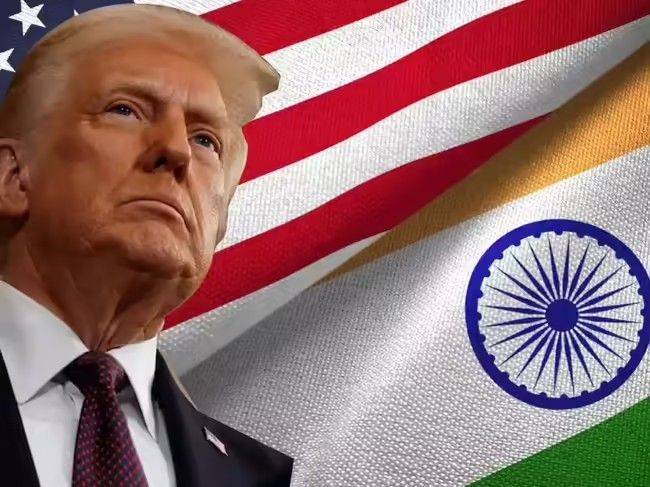
印度举起反旗,输了官司的特朗普遭遇第一棒
Sou Hu Cai Jing· 2026-02-26 05:25
Group 1 - The core issue revolves around India's response to the U.S. Supreme Court ruling that deemed reciprocal tariffs invalid, leading to the cancellation of a planned trade negotiation between India and the U.S. [1] - The agreement reached on February 3 required India to halt oil purchases from Russia and commit to buying $500 billion worth of U.S. goods over five years, which India viewed as an unequal treaty [3] - India's trade with the U.S. is significant, with the U.S. accounting for 18% of India's exports and 6.22% of its imports, indicating the importance of this relationship [5] Group 2 - The fluctuating tariff policies under Trump's administration have created uncertainty for Indian businesses, with tariffs rising from 10% to as high as 50% due to geopolitical tensions [5] - Trump's approach to trade has been characterized by emotional political maneuvers rather than precise economic strategies, leading to instability in trade negotiations [5][7] - The U.S. has signed framework agreements with nearly 20 trade partners, utilizing a strategy of increasing tariffs to pressure countries into making investments in the U.S. [7][9] Group 3 - Following the Supreme Court ruling, Trump raised tariffs to 15% and initiated investigations into more industries for potential tariffs, causing confusion among countries with existing agreements [11] - Countries like Canada and France have publicly criticized the legality of Trump's tariff actions, while the EU has prepared a list of retaliatory tariffs worth over €90 billion [11] - Despite global discontent with Trump's tariff policies, no country has taken significant action against them, with India notably adopting a cautious and strategic approach [13]