算力产业生态

Search documents
城市算网既要“建得好”更要“融得深”
Zheng Quan Ri Bao· 2026-02-25 15:41
Group 1 - The construction of computing power infrastructure, centered around "millisecond-level response," is accelerating and becoming a key variable in reshaping the industry chain, nurturing new business models, and influencing regional economic patterns [1] - A new investment ecosystem is emerging, characterized by clear roles and layers, with major telecom operators, local city investment, and government industrial funds playing a foundational role in initial network construction and operation [1] - Market-oriented capital is increasingly penetrating areas such as intelligent scheduling of computing power, vertical industry application innovation, and core software and hardware development, acting as a catalyst for market vitality [1] Group 2 - The emergence of innovative cooperation models like "computing power equity" indicates a shift in computing resources from a traditional cost item to a strategic equity asset that can be valued and traded [1] - The valuation logic in the capital market is shifting, with new metrics for assessing core value including network coverage, scheduling efficiency, cross-regional collaboration capabilities, and the effectiveness of solutions in specific scenarios like industrial manufacturing and smart cities [1] - Industry stakeholders are encouraged to adopt a pragmatic approach to ensure that urban computing networks are not only well-built but also deeply integrated [1] Group 3 - There is a need to break down computing power barriers by accelerating the establishment of unified standards for interfaces, scheduling protocols, and service quality [2] - Emphasis should be placed on deepening the integration of computing industries by prioritizing resources for applications with clear commercial loops and industry demonstration effects [2] - Encouragement of diversified capital participation is essential to mobilize more social capital towards technological breakthroughs and early application incubation, fostering a sustainable computing power industry ecosystem [2] Group 4 - The competition for millisecond-level city computing networks is not merely about speed but about securing a ticket and dominance in the future digital economy [3] - The true competition has shifted towards ensuring that computing power flows smoothly, is easily utilized, and is efficiently managed [3] - Stakeholders must strategically position themselves to solidify the computing network as a robust foundation for high-quality development of China's digital economy [3]
【财经分析】算力资源闲置与供不应求并存 破局之路何在?
Zhong Guo Jin Rong Xin Xi Wang· 2025-08-19 12:15
Core Insights - The current landscape of computing power in China shows a significant increase in total capacity, but there are structural contradictions, such as underutilized computing centers and fragmented demand from SMEs and research teams [1][2] Group 1: Activation of Idle Resources - The key to addressing the mismatch between idle computing resources and demand is to build intelligent scheduling platforms and innovative service models [2] - As of March 2023, China has 10.43 million computing standard racks and an intelligent computing capacity of 748 EFLOPS, but some of this capacity is underutilized [2] - The "East Data West Computing" initiative aims to establish a scheduling and matching platform for computing resources, with a target of 215.5 EFLOPS by Q1 2025 [2] Group 2: Lowering Barriers to Access - There is an urgent need for inclusive solutions to meet the fragmented computing demands of SMEs and research teams, which can be achieved through policy tools and service innovations [4][5] - Beijing's implementation plan includes measures like "intelligent computing vouchers" to promote resource accessibility and reduce entry barriers for SMEs [4] - Companies like Inspur Cloud are adapting to customer needs by providing personalized computing services and establishing a three-tier computing network to lower application barriers [4][6] Group 3: Building a Computing Industry Ecosystem - Despite the large scale of computing power, China still lags in key technologies and core hardware, with low self-sufficiency in high-end processors and overall lower performance compared to international standards [7][8] - To achieve breakthroughs in domestic computing hardware, there is a need for active adaptation and support from application sectors [7] - Innovative business models, such as "pay-for-performance" and bundling hardware with services, are suggested to enhance the value of computing applications [7][8]
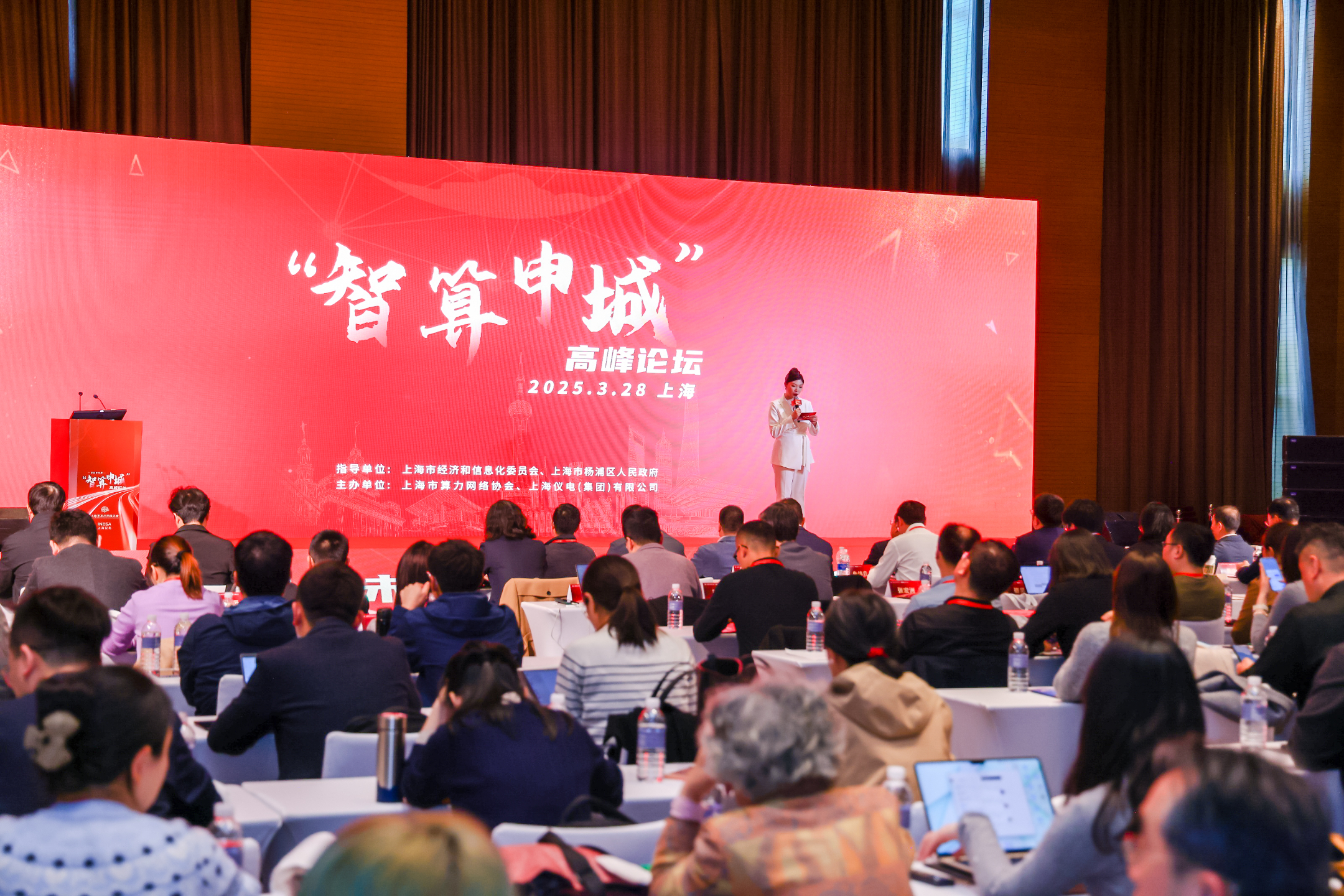
上海智算资源统筹调度平台上线,江苏银行发布“算力贷”产品
Guo Ji Jin Rong Bao· 2025-03-30 03:09
Group 1 - Shanghai is focusing on artificial intelligence as one of its three key industries to lead the digital transformation of manufacturing and build a competitive intelligent computing industry ecosystem [2] - The Shanghai Intelligent Computing Resource Coordination and Scheduling Service Platform has been launched to facilitate the allocation and trading of idle intelligent computing resources across various sectors [3] - The platform aims to provide cost-effective computing services for universities, research institutions, and small and medium-sized enterprises, with initial cooperation agreements established with major telecom operators and cloud computing companies [3] Group 2 - SenseTime's AI computing center, located in the Lingang New Area, serves as a benchmark project for Shanghai's goal of becoming a globally influential innovation center [5] - The center focuses on hardware and software development for AI computing platforms, addressing the high-density computing demand arising from the rapid growth of AI applications [5] - Financial support is identified as a key driver for continuous innovation in the computing industry [5] Group 3 - Jiangsu Bank has launched the "Computing Loan" product, with an initial credit amount of 1 billion yuan for companies like SenseTime and others [8] - The "Computing Loan" uses a unique evaluation model that incorporates computing efficiency, team structure, R&D investment, and intellectual property into the credit approval process [8] - The loan product offers various financing options, including working capital loans and project loans, with significant credit limits and flexible terms for small and medium-sized enterprises [8] Group 4 - The computing industry is experiencing trends such as increased demand and application quality, efficient data management, and improved network performance [9] - Shanghai aims to enhance its leading position in the computing industry by promoting industry integration, guiding network innovation, and strengthening the collaborative ecosystem [9] - By 2027, Shanghai's intelligent computing industry is expected to exceed 200 billion yuan, with a target of achieving 200 EFLOPS in computing scale and over 70% of self-controlled computing [9]