类型学

Search documents
访谈|李水城:考古学的真谛是人与人的历史
Xin Lang Cai Jing· 2026-02-27 04:23
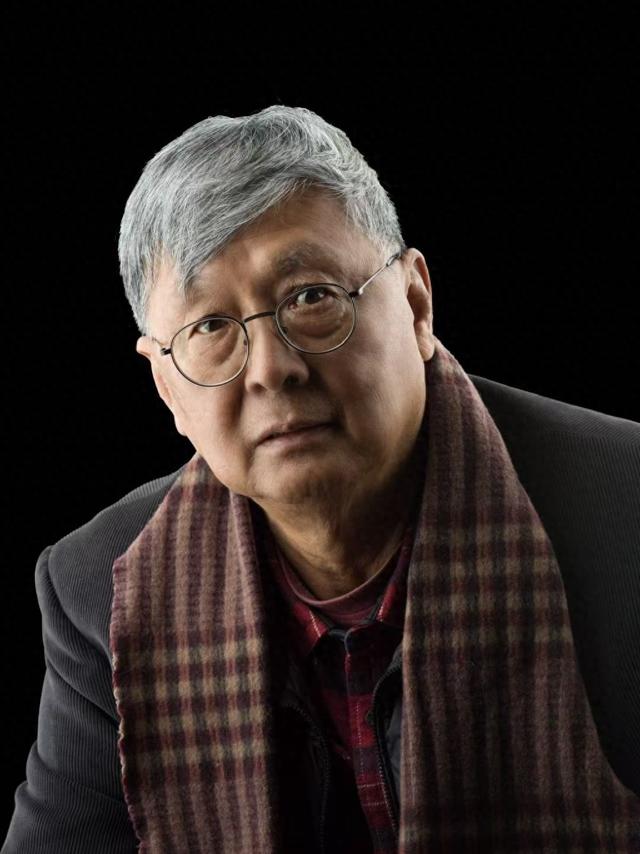
Core Viewpoint - The book "Years Flowing Gold: In Memory of My Relatives, Teachers, and Friends" by Professor Li Shuicheng reflects on significant figures in archaeology and serves as both a personal academic history and a history of Chinese archaeology [1]. Group 1: Academic Journey - Professor Li Shuicheng recalls his experience of participating in the college entrance examination in 1977 and 1978, highlighting the challenges he faced due to his limited educational background [4][5]. - He was eventually admitted to Peking University, where he studied archaeology, influenced by notable professors such as Su Bingqi, Yan Wenming, and others [6][8]. Group 2: Influential Figures in Archaeology - The book discusses the profound impact of various scholars on Li's academic development, including their teaching styles and contributions to the field of archaeology [9][11]. - Notable figures mentioned include Yan Wenming, who provided clear and logical lectures, and Su Bingqi, who emphasized the importance of critical thinking in archaeology [16][19]. Group 3: Salt Archaeology - Professor Li Shuicheng is recognized as a pioneer in salt archaeology in China, filling a significant research gap in this field [23]. - His work in the Three Gorges area and subsequent projects led to the establishment of salt archaeology as a new sub-discipline, gaining international attention [25][29]. Group 4: Cultural Exchange and Artifacts - The research on scepters and their cultural significance illustrates the interaction and exchange between different cultures throughout history [30][32]. - The study of scepters reveals their evolution from ordinary tools to symbols of power, reflecting broader cultural dynamics [33].

小陶片体现大历史(上新了)
Ren Min Ri Bao· 2025-09-12 22:17
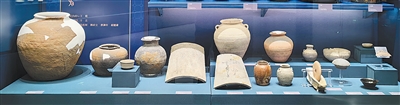
Core Points - The Suzhou Archaeological Museum has opened after years of construction, aiming to reveal historical truths and disseminate archaeological knowledge as Jiangsu Province's first archaeological museum [1] - The museum distinguishes itself from comprehensive museums by focusing on archaeological research, selecting over a thousand artifacts based on relic units, typical artifact combinations, and chronological order [1][2] - The museum showcases a variety of pottery, highlighting differences in material, color, and shape, and emphasizes the importance of typology in understanding the evolution of artifacts [2] - The exhibition includes many fragments and small artifacts, some of which illustrate the restoration process, while others, despite being irreparable, hold significant meaning [2][3] - The museum aims to balance the needs of professionals and general audiences, showcasing how small artifacts can reflect larger historical narratives [3] Artifact Highlights - The museum features a collection of pottery from different cultures, such as the Liangzhu culture and the Majiabang culture, demonstrating the evolution of shapes and the significance of decorative differences [2] - Notable artifacts include a fragment with unique writing styles that reflect the integration of different cultural elements during the Qin dynasty's unification process [2] - A significant piece is a red pottery measure with inscriptions that provide evidence of the Chu state's governance over the Wu-Yue region, potentially linking it to historical figures like Lord Chunshen [3]