精品咖啡加盟

Search documents
比星咖啡获数千万元B轮加持 三年四轮融资背后的破局密码
Sou Hu Cai Jing· 2025-12-11 09:01
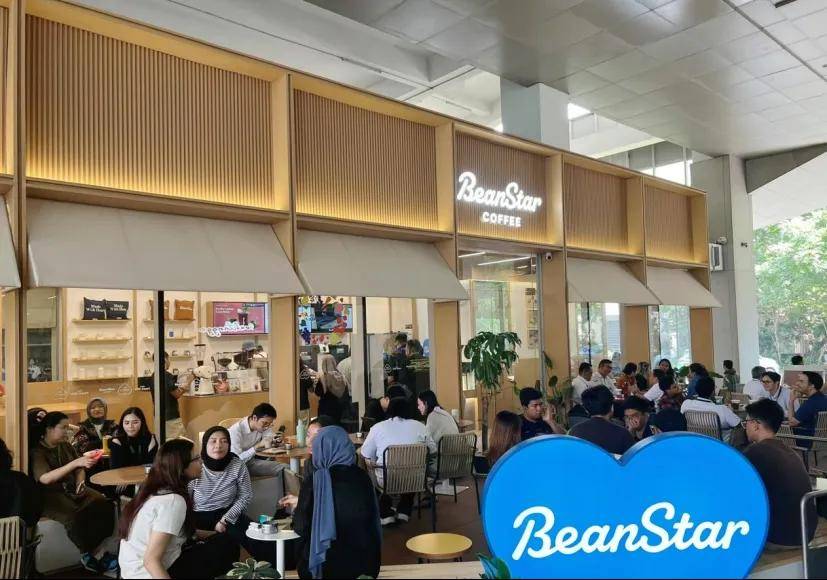
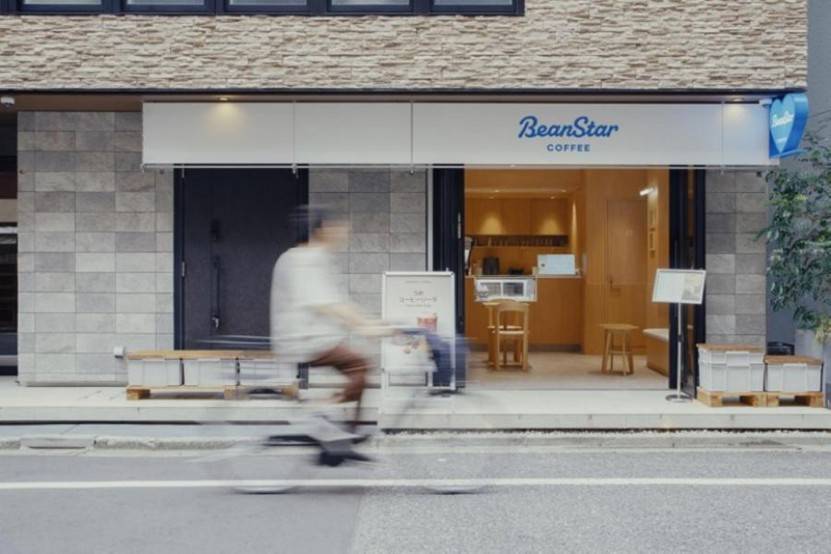
Core Insights - Bixing Coffee has successfully completed a Series B financing round of several tens of millions, led by Suzhou Agricultural Industry Science and Technology Innovation Fund and Jiangsu Diquan Agricultural Development Fund, marking its fourth round of financing in three years, reflecting strong investor confidence in its growth path [1] - Since opening its first store in Suzhou in June 2022, Bixing Coffee has focused on a boutique coffee shop franchise model, achieving over 500 signed stores and nearly 300 operational stores, doubling its store count since the Series A financing [1] - The brand has made significant strides in international expansion, entering markets such as Indonesia, Japan, and Italy, with Indonesia showing particularly strong performance, achieving an average daily sales of 700 cups [1] Pricing Strategy - Bixing Coffee's core strategy is to maintain a "high cost-performance boutique creative coffee" positioning, targeting a price range of 15-20 yuan, which is a market gap overlooked by leading brands [3] - The company emphasizes continuous iteration of products, brands, and services as its competitive moat, moving away from the high-price coffee era and focusing on the balance of price and value for consumers [3] - Innovative products like "Purple Basil Lemon Iced Americano" and "White Grape Sparkling Cold Brew" have been introduced to maintain consumer interest and build unique brand assets [3] Franchise Model Optimization - The company continues to implement a precise channel strategy, focusing on office buildings, industrial parks, shopping malls, and communities, while also penetrating universities, hospitals, and transportation hubs [4] - Bixing Coffee has optimized its investment model by introducing standard and light stores, controlling single-store investment between 200,000 to 300,000 yuan, attracting a broader range of franchisees [4] - The average performance of stores has improved by 30%-40% this year, indicating the effectiveness of the validated store model [4] Supply Chain Development - In a highly competitive coffee market, stable supply chains and cost control are crucial for long-term brand development [5] - The investment from Suzhou Agricultural Industry Fund not only provides financial support but also enhances resource integration and supply chain optimization for Bixing Coffee [5] - The company aims to shift its focus from rapid market expansion to deep control and optimization of the supply chain, establishing long-term competitive advantages in quality and cost [5] Future Plans - Bixing Coffee aims to grow from 300 to 1,000 stores by 2026, with plans to reach 5,000 stores in the following two to three years, having prepared its model, team, and systems for large-scale operations [5] - The founder expresses confidence that the industry will return to brand efficiency and product essence, which are core capabilities that Bixing Coffee is continuously building [5]

1年倒闭4万家!它凭什么逆势拿下千万融资、剑指1000家店?
Sou Hu Cai Jing· 2025-12-02 06:18
Core Insights - The coffee market in China is undergoing a significant transformation, with over 40,000 coffee shops closing in the past year, indicating a critical turning point for the industry [1][5] - Despite the downturn, the chain brand "Bixing Coffee" has successfully secured several million yuan in Series B financing and aims to expand from 300 to 1,000 stores [2][12] Industry Overview - The Chinese coffee market is in a deep reshuffle, with 62,000 new stores opening in 2024 but 45,000 closures, resulting in a net growth rate of only 27.21%, a sharp decline from 55% the previous year [5] - Major brands like Pacific Coffee and Seesaw Coffee are facing severe operational challenges, with Pacific Coffee's stores dropping from 185 to 71 and Seesaw closing over half of its locations [6][8] - International brands are also struggling, with Costa Coffee reducing its stores by 28 and Starbucks experiencing a 41.78% drop in new openings [10] Challenges in the Market - The market faces three main challenges: depletion of prime locations, imbalance between costs and profits, and intensified competition for franchise resources [10] - Rising rental costs in key areas and increased operational costs due to fluctuating coffee bean prices and labor costs are contributing to the industry's struggles [10] Bixing Coffee's Strategy - Bixing Coffee has differentiated itself by targeting the gap in the market for "premium coffee + franchise model," which is currently underserved [14][25] - The brand offers products priced between 15-25 yuan, using high-quality Arabica beans and cold storage milk, appealing to a demographic of 25-35-year-old women [15] - The small store model reduces expansion costs, with investments ranging from 200,000 to 400,000 yuan, focusing on locations like office buildings and universities [16] Supply Chain and Competitive Advantage - Successful brands in the current market, such as Luckin Coffee and Kenyue Coffee, have strong supply chain capabilities, which are essential for survival [18] - Bixing Coffee's recent financing will enhance its supply chain integration, allowing it to compete more effectively against established players [19][22] Future Outlook - Bixing Coffee's ability to achieve its goal of 1,000 stores will depend on its execution of the "premium coffee franchise" strategy, which is seen as a potential blue ocean in the current market [24][25]