精雅

Search documents
古法黄金火了:中国的奢侈品牌要来了吗?
3 6 Ke· 2026-01-21 10:09
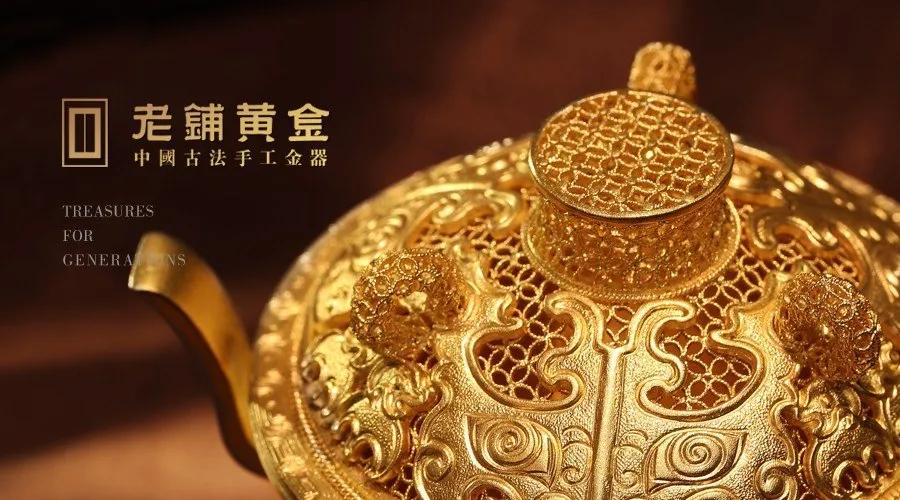
Core Insights - The surge in gold prices has led to increased interest in traditional gold brands, particularly in China, with the emergence of brands like Baolan, which recently secured investment from Kering Group [1][3] - The concept of "Guofa Gold" (traditional gold) is gaining traction, blending the attributes of gold as a stable asset with cultural and artistic values, appealing to younger consumers [3][4] - The investment landscape is shifting, with significant capital flowing into traditional gold brands, indicating a potential shift towards a luxury market in China [4][6] Group 1: Market Dynamics - The rise of Guofa Gold is attributed to three main factors: the intrinsic value of gold, the aesthetic appeal of luxury goods, and the enthusiasm of investors [3][4] - Young consumers are driving the market, contributing over one-third of gold jewelry sales, seeking emotional value and cultural identity rather than just investment [3][4] - The competitive landscape is intensifying, with some brands potentially diluting their value by following trends without genuine craftsmanship [6][4] Group 2: Luxury Brand Development - The definition of luxury is evolving, moving beyond high price and quality to encompass cultural significance and consumer experience [7][8] - The potential for Chinese luxury brands exists, supported by a rich cultural heritage, but challenges remain in establishing brand identity and value [8][23] - The luxury market requires a shift in consumer mindset from purchasing for status to valuing personal appreciation and cultural resonance [20][22] Group 3: Challenges and Opportunities - The transparency of gold pricing poses challenges for luxury positioning, as the core value of luxury brands often derives from brand perception rather than raw material costs [14][15] - Brands are exploring innovative strategies to enhance perceived value, such as emphasizing craftsmanship and unique design [15][16] - The future of luxury brands in China hinges on the ability to cultivate a narrative that transcends material value, focusing on cultural and emotional connections [16][29] Group 4: Cultural and Market Evolution - The evolution of consumer preferences indicates a shift towards experiences and personal fulfillment over material possessions [20][22] - The potential for traditional craftsmanship to be integrated into modern luxury branding is significant, provided that brands can effectively communicate their unique stories [25][26] - The journey towards establishing a robust luxury market in China will require patience and a commitment to cultural authenticity and quality [30][31]