糖尿病管理平台

Search documents
自动胰岛素输注系统全面上市,人工胰腺赛道竞争升温
思宇MedTech· 2026-03-17 07:20
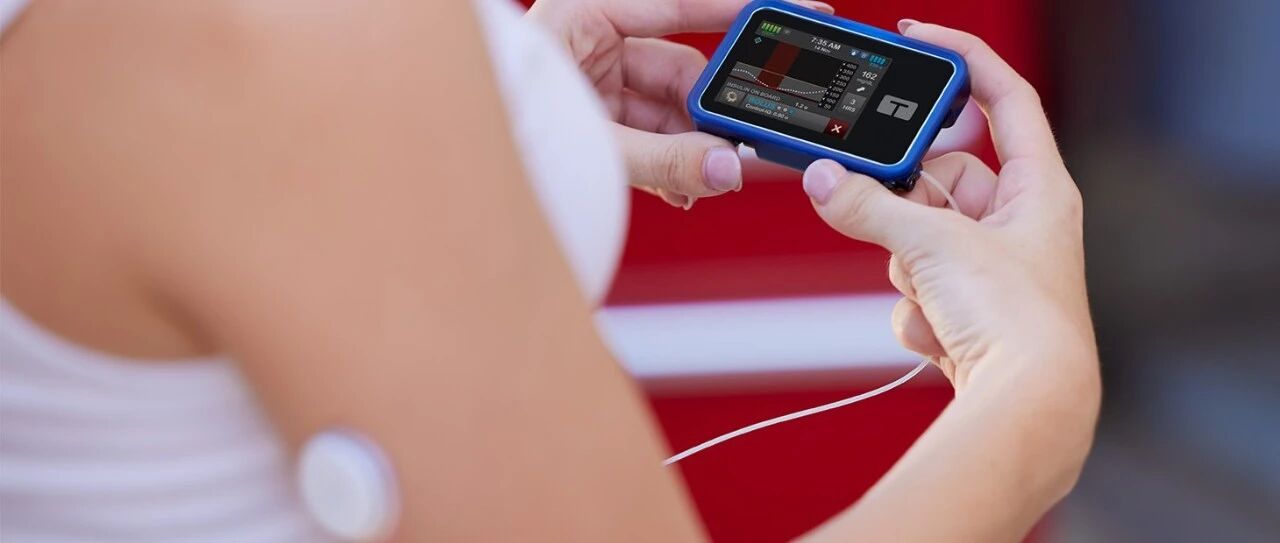
Core Viewpoint - Sequel Med Tech's twiist Automated Insulin Delivery System has been commercially launched in the U.S. for type 1 diabetes patients, marking a significant shift towards automated, algorithm-driven closed-loop treatment systems in the diabetes device market [2] Group 1: Product Launch and Features - The twiist system received FDA approval in 2024 and is now available through pharmacies with a flexible payment model: the first month is free, followed by a maximum monthly fee of $50 [2][18] - The system automatically adjusts insulin delivery based on real-time blood glucose levels, providing features like infusion blockage alerts [6] - The twiist system can be paired with Abbott's FreeStyle Libre 3 Plus sensor, a leading continuous glucose monitoring product [6] Group 2: Industry Trends - The diabetes device market has traditionally consisted of blood glucose monitoring devices and insulin delivery devices, but advancements in algorithms and sensor technology are leading to their convergence [10] - Automated insulin delivery systems, often referred to as "artificial pancreas" systems, are becoming the core of industry competition, with products that closely mimic the body's natural insulin regulation [11] - The collaboration between continuous glucose monitoring (CGM) devices and insulin pumps is increasingly important for effective diabetes management [12] Group 3: New Business Models - Sequel's product launch introduces a subscription-like payment model, contrasting with traditional insulin pumps that can cost thousands of dollars [14] - This new model aims to lower the entry barrier for patients, thereby expanding the user base for automated insulin delivery systems [15] - Subscription payment models are becoming more common in the U.S. medical device market, particularly in chronic disease management [16] Group 4: Implications for the Chinese Market - Sequel's product path highlights significant changes in the diabetes device industry, including the integration of CGM and insulin pumps into cohesive systems [20] - Some Chinese companies are also exploring similar integration strategies to create comprehensive diabetes management platforms [23] - The effectiveness of automated insulin delivery systems is increasingly dependent on control algorithms that adjust insulin doses based on real-time data [25] Group 5: Competitive Landscape - The diabetes device industry is undergoing structural changes, shifting from competition among individual devices to competition among complete treatment ecosystems [32] - Companies need to possess capabilities across various areas, including sensor technology, infusion devices, algorithm platforms, and data management [34] - Sequel's launch of the twiist system exemplifies this trend, indicating that future competition will focus on comprehensive treatment solutions rather than isolated devices [34]

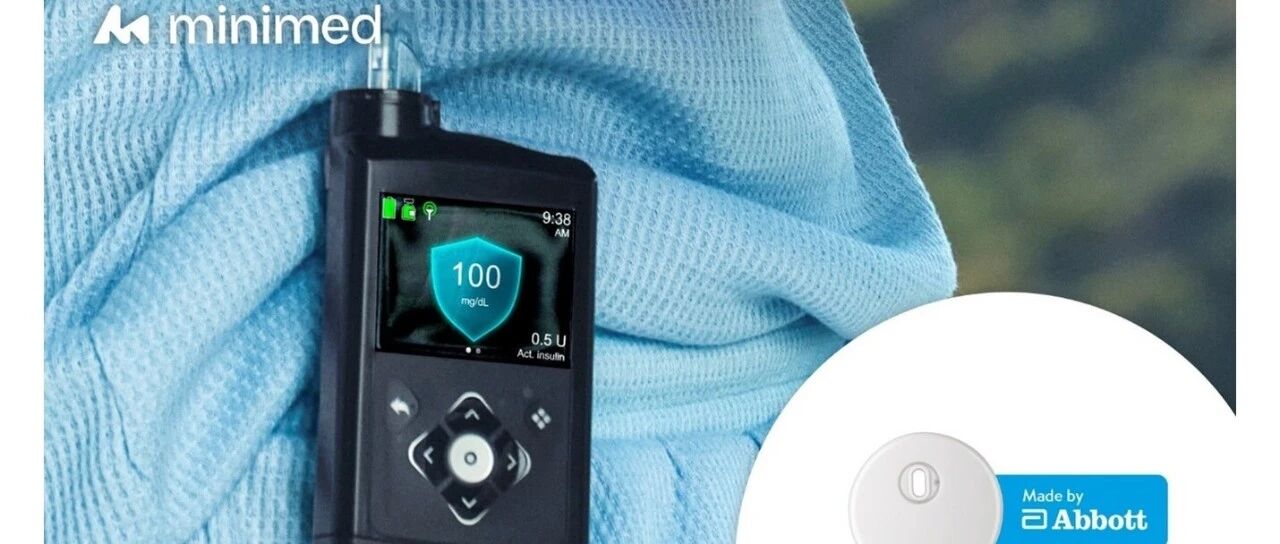
获批CE!美敦力MiniMed 780G接入雅培传感器
思宇MedTech· 2026-03-12 04:28
Core Insights - The combination of insulin pumps and Continuous Glucose Monitoring (CGM) is becoming central to the global diabetes device competition [2] - MiniMed's 780G automated insulin delivery system has received CE certification and can now work with Abbott's Instinct CGM sensor, indicating a shift towards a multi-sensor ecosystem [3][5] Group 1: MiniMed 780G System - The MiniMed 780G is one of the more mature automated insulin delivery systems on the market, capable of automatically adjusting insulin delivery through algorithms [4] - The system can manage insulin delivery even when patients forget to input meal information or inaccurately estimate carbohydrates [4][6] - The integration with Abbott's Instinct CGM sensor is seen as a significant move to strengthen MiniMed's product ecosystem post-separation from Medtronic [13] Group 2: Industry Trends - The insulin pump ecosystem is transitioning from a "closed system" to a "platform-based" approach, allowing for interoperability between devices from different manufacturers [15][17] - The rapid development of CGM technology is outpacing that of insulin pumps, prompting manufacturers to support multiple sensors [18][20] - Patients are becoming more sensitive to device choices, leading to a demand for open AID ecosystems [21][22] Group 3: Opportunities and Challenges in China - The diabetes device market in China is one of the fastest-growing sectors in medical devices [23] - Domestic companies are focusing on CGM and insulin pump manufacturing, with some exploring AID systems [24] - Chinese firms face challenges in algorithm capabilities and device ecosystems compared to global leaders [25][29] - Future competition may center around comprehensive diabetes management platforms rather than individual products [30]