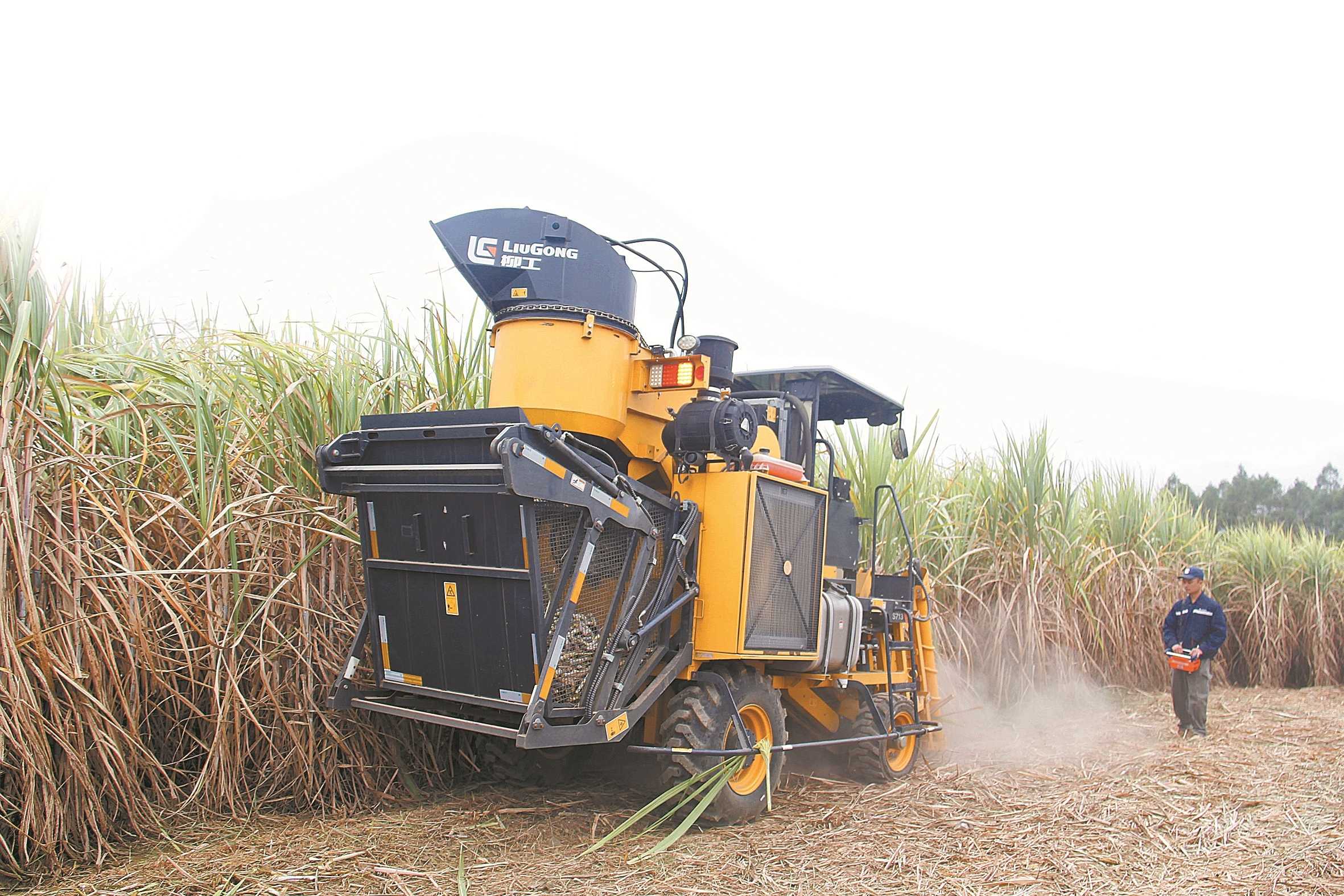
糖料蔗机械化收获

Search documents
【机收攻坚战】博宣公司:真金白银补机收,蔗农省力又增收
Xin Lang Cai Jing· 2025-12-12 10:25
Core Viewpoint - The article highlights the successful implementation of mechanized sugarcane harvesting in Guangxi, driven by supportive policies and financial incentives from the company, which aims to enhance efficiency and reduce costs for farmers [1][4][17]. Group 1: Mechanization and Efficiency - The company has deployed four large harvesting machines that can complete the harvesting of a sugarcane field in less than two hours, significantly increasing efficiency compared to manual harvesting [1][9]. - The company has set a target to complete 180,000 tons of mechanized harvesting this season, averaging about 3,000 tons per day [17]. Group 2: Financial Incentives - The company has introduced a transparent fee structure for mechanized harvesting, with costs capped at 100 yuan per ton for combined harvesting and 120 yuan per ton for stepwise harvesting [4][13]. - Farmers using the combined harvesting method receive a direct subsidy of 20 yuan per ton based on net weight upon arrival at the factory, while service providers for stepwise harvesting receive a 10 yuan per ton subsidy [4][13]. Group 3: Training and Management - The cooperative responsible for the harvesting has implemented unified scheduling and management of machinery, optimizing processes and enhancing training to ensure compliance with operational standards [7][15]. - The goal is to have each harvesting machine fill a truck (approximately 15 tons) every 1.5 hours while maintaining low impurity and loss rates [7][15].

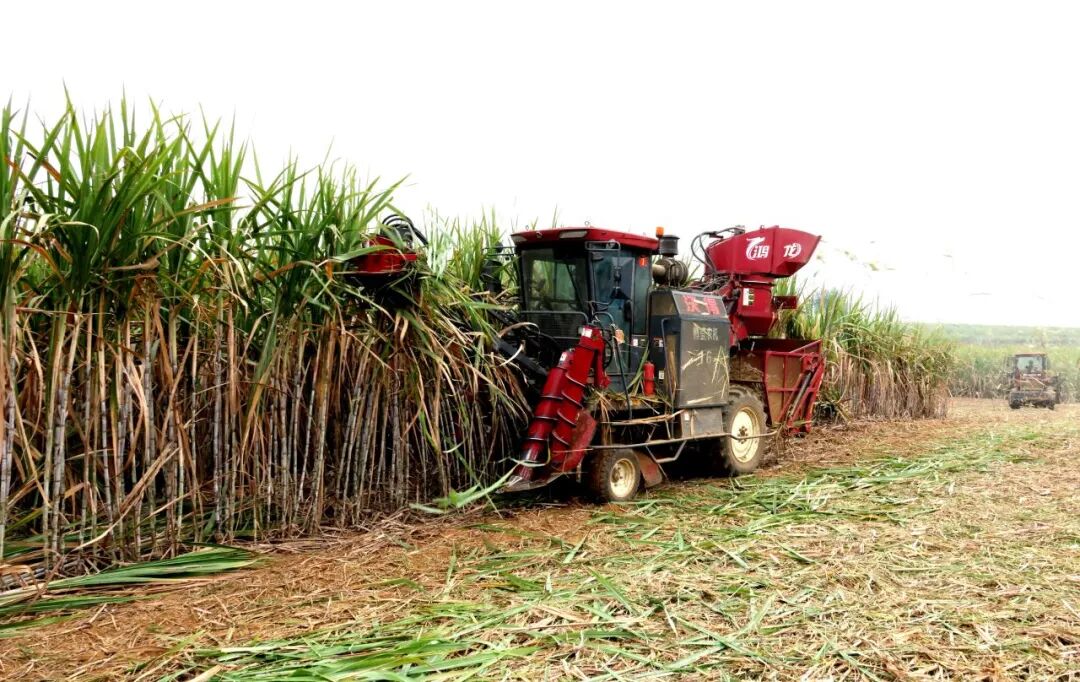
广西出台方案破糖蔗机收困局
Guang Xi Ri Bao· 2025-09-01 03:22
Core Viewpoint - The article discusses the urgent need to improve the mechanization of sugarcane harvesting in Guangxi, aiming to increase the mechanization rate from around 5% to 20% by 2027 through a comprehensive three-year action plan [3][19]. Group 1: Current Situation and Challenges - Guangxi has a significant area of sugarcane fields, with 4.5532 million acres in hilly regions, where the natural conditions are poor and the average planting scale is small and irregular [5]. - The aging population of sugarcane farmers is a concern, with over 80% of farmers aged between 45 and 74, while only 2% are aged 25 to 34, leading to a potential labor shortage in sugarcane harvesting [6][7]. - The average production cost of sugarcane in Guangxi is 2,478 yuan per acre, with harvesting costs accounting for approximately 26% of the total [8]. Group 2: Mechanization Benefits and Efficiency - Mechanized harvesting can significantly increase efficiency, with a single combine harvester capable of harvesting 60-80 tons per day compared to 1-1.5 tons per day for manual labor [9]. - The current utilization rate of sugarcane leaves is only 37.5%, with a large portion being burned, which raises environmental concerns. Mechanized harvesting can improve the utilization of these leaves [10]. Group 3: Historical Context and Future Plans - The mechanization rate in Guangxi has remained low, between 3% and 5%, due to high loss rates, impurity rates, and low seedling rates from mechanized harvesting [11][12]. - Only four out of ten sugar companies in Guangxi have a mechanization rate exceeding 5% for harvested sugarcane [13]. - The three-year action plan aims to address these issues and improve mechanization rates significantly by 2027 [19]. Group 4: Successful Case Studies and Innovations - In the 2024/2025 season, the city of Laibin achieved a mechanization rate of 8.13%, with a 77.69% increase in mechanized harvesting volume, leading the region [21]. - The East Asia Sugar Group has implemented modern farming techniques, including precision navigation and advanced soil improvement technologies, to enhance sugarcane growth and mechanization [23]. Group 5: Government Support and Initiatives - The Guangxi government is investing 1.5 billion yuan in updating and transforming unloading platforms and impurity removal systems for sugar companies [25]. - The government is promoting large-scale and contiguous planting, encouraging farmers to consolidate land for more efficient mechanized harvesting [25].