
甘蔗

Search documents
瑞达期货农业气象周报-20260313
Rui Da Qi Huo· 2026-03-13 09:03
Report Summary 1. Report Industry Investment Rating - Not provided in the document. 2. Core Viewpoints - The probability of La Nina is 96% from February to April, 90% from March to May, and 65% from April to June [6][112]. - In China, most crop harvests are over; some areas may face wet - damage affecting spring sowing and rapeseed flowering, and snow in some regions is unfavorable for facility agriculture [6]. - In international markets, US soybeans are not sown yet; Brazil is in the soybean - harvesting period, and Argentina is in the soybean - growing period. European rapeseed is in the growing period. Rainfall in key European rapeseed regions is mostly below normal, and high temperatures are unfavorable for soil moisture. Rainfall in Indonesia and Malaysia is normal, having less impact on palm fruit picking [6]. 3. Summary by Directory 3.1. Weekly Key Weather - ENSO prediction shows high probabilities of La Nina in the coming months. Domestically, various weather conditions affect crop production and facility agriculture. Internationally, different crop - growing regions in the US, Brazil, Argentina, Europe, Indonesia, and Malaysia have their own weather situations influencing crop growth and harvest [6]. 3.2. Weather in Each Crop - Producing Area 3.2.1. Soybeans - **Domestic**: Northeast and Huanghuaihai regions have not started sowing. Northeast accounts for over 60% of total production, and Huanghuaihai accounts for over 15% [10][15]. - **US**: Concentrated in the central states, new - season sowing usually starts in mid - April. The 2025/26 yield is 11575000 tons, lower than the previous year. Future 6 - 10 days will see lower - than - normal temperatures and higher - than - normal rainfall. Drought has increased by 1 percentage point compared to last week [24][29][33]. - **Brazil**: Concentrated in the Midwest. As of March 7, the 2025/26 harvest progress is 50.6%, higher than the five - year average but behind last year. The USDA estimates the 2025/26 yield at 18000000 tons. Future 15 days will have below - normal rainfall in the south and above - normal in the central and northern regions, with normal temperatures [37][44]. - **Argentina**: Concentrated in the central region, accounting for about 12% of the world's production. As of early February, it has entered the growing period. The USDA predicts the 2025/26 yield at 4850000 tons, a 5.11% year - on - year decrease. Future 15 days will see above - normal rainfall and normal temperatures [48][49][53]. 3.2.2. Rapeseed - **Domestic**: Spring rapeseed in the Northwest and North China has been harvested, accounting for about 10% of the total. Winter rapeseed in the Yangtze River中下游 and Southwest regions is in the flowering period, accounting for about 50% and over 35% respectively. Some areas may face wet - damage due to heavy rain, while the temperature is suitable [58][59][66]. - **Canada**: The world's largest producer, accounting for about 22%. Harvest is over. The 2025 sowing area is expected to decline by 1.7% compared to 2024. Future 15 days will have below - normal rainfall and above - normal temperatures, unfavorable for soil moisture [76][81]. - **EU**: The second - largest producer, accounting for about 20%. Rapeseed is in the growing period. The 2025/26 yield is expected to increase by 2200000 tons compared to 2024/25. Future 15 days will have most key regions with below - normal rainfall (except France), and above - normal temperatures, unfavorable for soil moisture [85][86][92]. 3.2.3. Palm Oil - Indonesia's main producing areas are Sumatra and Kalimantan. Malaysia's are concentrated in five states, with Sabah and Sarawak accounting for over 45% of the total. Rainfall is normal, having less impact on palm fruit picking [96][99][106]. 3.2.4. Corn - In Northeast, Huanghuaihai, and Southwest regions, the harvest is over. Northeast accounts for over 40%, Huanghuaihai over 30%, and Southwest about 10% of the total production [116][117][123]. 3.2.5. Cotton - Xinjiang accounts for about 90% of the total production, and Huanghuaihai accounts for about 6%. The harvest is over, and the temperature is suitable [132][133][141]. 3.2.6. Apple - The Bohai Bay and Northwest Loess Plateau regions, accounting for about 33% and 60% of the total respectively, are in the budding period, and both precipitation and temperature conditions are suitable [146][147][156]. 3.2.7. Red Dates - Xinjiang, the Loess Plateau, and Huanghuaihai regions, accounting for about 50%, over 20%, and over 20% respectively, have completed the harvest [161]. 3.2.8. Sugarcane - Guangxi, Yunnan, and Guangdong, accounting for 68.6%, 14.8%, and 12.6% of the total respectively, are in the sowing period, and both precipitation and temperature conditions are suitable [173][178][182]. 3.2.9. Sugar Beet - Xinjiang and North China, accounting for about 39% and 57% of the total respectively, have completed the harvest, and both precipitation and temperature conditions are suitable [187][192][196]. 3.2.10. Peanut - Northeast has completed the harvest, accounting for about 10% of the total. Huanghuaihai has completed the spring and summer peanut harvests, accounting for over 60%. South China is in the spring peanut sowing period and has completed the autumn peanut harvest, accounting for over 10%. Precipitation and temperature conditions are suitable in relevant periods [201][202][208]. 3.2.11. Wheat - Northwest, mainly growing spring wheat, is in the over - wintering to standing - up period, accounting for over 10% of the total. Huanghuaihai, mainly growing winter wheat, is in the turning - green to standing - up period, accounting for over 80%. Precipitation is suitable in both regions, but snow and rain in the Northwest are unfavorable for crops [217][222][227]. 3.2.12. Rice - Northeast, growing single - season japonica rice, has completed the harvest, accounting for about 20% of the total. The Yangtze River中下游, with both single - and double - season rice, has the early - rice sowing period and completed the single - and late - rice harvests, accounting for over 40%. Southwest has completed the single - season rice harvest, accounting for about 14%. South China, growing double - season indica rice, has the early - rice sowing period and completed the late - rice harvest, accounting for about 12.5%. Precipitation and temperature conditions are suitable [232][236][239].
湖南三线小城春节消费火爆,商场就餐排队两小时,部分物价堪比一线城市| 新春走基层
Hua Xia Shi Bao· 2026-02-23 23:32
Core Insights - The article highlights the vibrant consumer activity in Changde during the Spring Festival, driven by returning residents and festive spending [2][3][4] Group 1: Consumer Behavior - Changde's retail and dining sectors experienced significant foot traffic, with some restaurants reporting wait times exceeding two hours [3][4] - The local population's return during the holiday season has led to increased demand for dining and shopping, as many street-side restaurants closed for the holiday [3][4] - Coffee shops in Changde opted to remain open during the holiday, responding to high consumer demand, with some owners canceling planned vacations due to overwhelming inquiries [4][5] Group 2: Economic Indicators - The total retail sales of consumer goods in Changde are projected to reach 179.78 billion yuan by 2025, reflecting a year-on-year growth of 4.9% [2] - By 2025, urban residents in Changde are expected to have an average consumption expenditure of 33,638 yuan, while rural residents will average 23,871 yuan, indicating steady growth in consumer spending [2] - The per capita disposable income for urban residents is projected to be 45,683 yuan, and for rural residents, 25,495 yuan by 2025, with both figures showing year-on-year increases of 4.2% and 5.8% respectively [6] Group 3: Price Trends - Prices for certain consumer goods in Changde have risen to levels comparable to first-tier cities like Beijing and Shanghai, particularly in fresh produce and dining [6] - For instance, the price of strawberries reached around 40 yuan per jin, and a typical meal for two at a hotpot restaurant cost approximately 220 yuan, similar to prices in major cities [6] - The overall consumer price trend reflects a growing cost of living, with local residents noting that prices for dining and fresh produce have not significantly decreased during the holiday season [6]


目击者回应老板高速路上卖甘蔗:10元一根,不称重,选好就走
Xin Lang Cai Jing· 2026-02-22 10:43
Core Viewpoint - A sugarcane vendor gained attention for selling sugarcane on a congested highway in Yunnan, China, during the Spring Festival travel rush, providing a unique experience for stranded travelers [1] Group 1: Event Description - The incident occurred on February 20, when traffic was backed up for several kilometers on the Mokun Expressway, lasting for four to five hours [1] - The vendor sold sugarcane for 10 yuan each, allowing customers to choose their pieces without weighing them [1] - Witnesses reported that the vendor sold at least several hundred pieces of sugarcane, with some customers consuming it on the spot while others took multiple pieces home [1] Group 2: Public Reaction - The presence of the sugarcane vendor turned a monotonous traffic jam into a more enjoyable experience for travelers, adding an element of interest to their journey [1]
高速春节堵车一老板原地卖甘蔗,目击者发声:10元一根,不称重,选好就走
Xin Lang Cai Jing· 2026-02-22 04:33
Group 1 - A traffic jam occurred on the Mengjiang-Mokun Expressway in Yunnan, lasting for several hours, during which a sugarcane vendor gained attention by selling sugarcane to stranded motorists [1][2] - The sugarcane was sold at a price of 10 yuan per piece, with customers able to select their sugarcane without weighing, leading to an estimated sale of at least several hundred pieces [1] - The incident provided a humorous distraction for travelers during the otherwise tedious traffic jam, making the Spring Festival journey more interesting [2]
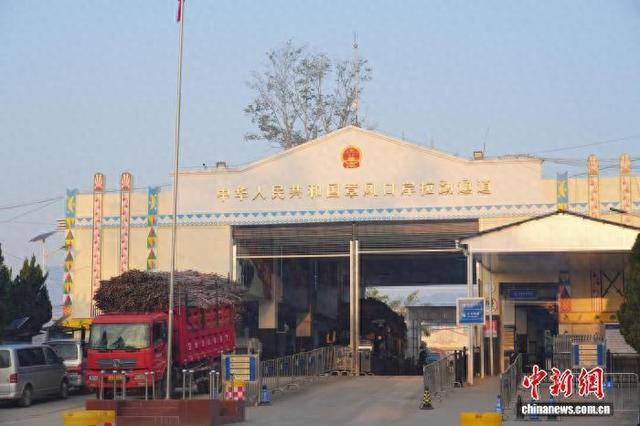
瑞丽边检站6天在中缅边境保障6.8万吨甘蔗入境
Xin Lang Cai Jing· 2026-02-19 13:47
Group 1 - The core viewpoint of the news highlights the significant increase in sugarcane imports through the Yunnan province's border during the peak season, indicating robust cross-border agricultural cooperation between China and Myanmar [1][3] - From February 14 to February 19, over 1,500 cargo vehicles were inspected at the Ruili border checkpoint, with more than 68,000 tons of foreign sugarcane entering the region [1] - Since the start of the 2025-2026 sugarcane processing season, the Ruili border checkpoint has facilitated the rapid clearance of over 381,000 tons of foreign sugarcane, with a total value exceeding 28 million yuan [3] Group 2 - The Zhanfeng port in Dehong has accounted for approximately 250,000 tons of sugarcane imports, while other channels like Nongdao, Leiyun, and Lameng have contributed 23,000, 93,000, and 15,000 tons respectively [3] - The Ruili border checkpoint has implemented "tidal posts" and "zero-waiting channels" to enhance service efficiency for sugarcane imports during the Spring Festival, ensuring a stable supply of raw materials for local sugar factories [3] - The sugarcane transportation exhibits clear seasonal characteristics, with the peak period from early December to the end of March, leading to increased activity at border checkpoints [3]
新春走基层|广西巴立村:户户皆有大学生 深山书写振兴答卷
Xin Lang Cai Jing· 2026-02-19 09:40
Core Viewpoint - The transformation of Balili Village in Guangxi from a deeply impoverished area to a thriving community with improved infrastructure, economic stability, and educational achievements exemplifies successful rural revitalization efforts in China [1][5]. Infrastructure Development - The first step in Balili Village's poverty alleviation was improving transportation, water, and electricity access, with significant milestones including the construction of the first mechanized road in 1979 and the completion of a cement road in 2012 [2]. - Recent initiatives have focused on enhancing water safety and supply systems, which have provided a stable foundation for local industry development [2]. Economic Growth - The village has developed key industries such as sugarcane planting and livestock farming, supported by government policies, technical assistance, and training programs [2]. - Average annual income for villagers has reached approximately 60,000 to 70,000 yuan, with individual households reporting earnings of over 30,000 yuan from sugarcane alone [3]. Educational Advancements - Balili Village has prioritized education as a long-term investment, resulting in significant educational achievements, including the emergence of its first "985" university student and an average of one university student per household [4]. - The cultural shift towards valuing education has transformed the village from a place of scarcity to one where knowledge and learning are celebrated [4]. Community and Cultural Revival - The village has seen a revival of traditional customs and a strong sense of community, with families engaging in cultural practices during festivals, reflecting improved living conditions and social cohesion [3][4]. - Balili Village's story is a microcosm of broader rural changes in China, showcasing the impact of party leadership, policy support, and community efforts in achieving sustainable development [5].
四海同春:早期南洋华侨的春节庆俗
Xin Lang Cai Jing· 2026-02-18 23:26
Core Perspective - The celebration of the Spring Festival by overseas Chinese has been recognized as a significant cultural event, with its customs documented in various languages, including English and Malay, and it was listed as an intangible cultural heritage by UNESCO in 2024 [1] Group 1: Historical Context - The Spring Festival serves as a critical period for the Chinese community, where business activities pause, allowing families to gather and celebrate together [1] - Historical records from colonial officials, such as J.D. Vaughan, highlight the cultural significance of the Spring Festival and its impact on local economies and social interactions [2] Group 2: Social Dynamics - The Spring Festival is not merely a family event but a vital opportunity for establishing and maintaining social relationships within the Chinese community, functioning as a form of social capital [3] - The practice of visiting relatives and exchanging gifts during the festival reflects the importance of social networks, especially in colonial contexts where institutional support was lacking [3] Group 3: Cultural Significance - The symbolism of sugarcane during the Spring Festival in Southern China, particularly in Fujian and Guangdong cultures, represents prosperity and community identity [4] - The festival rituals, including the burning of incense and offerings, are deeply rooted in traditional practices that connect overseas Chinese to their ancestral heritage [6][8] Group 4: Modern Implications - The Spring Festival has evolved into a public holiday in countries like Indonesia, signifying its acceptance and integration into broader societal frameworks beyond the Chinese community [8] - Despite globalization, the Spring Festival remains a crucial aspect of identity and cultural continuity for overseas Chinese, serving as a bridge between past traditions and contemporary life [8]

[新春走基层]村里有个“移动超市”
Xin Lang Cai Jing· 2026-02-18 22:23
Core Insights - The article highlights the innovative approach of a local entrepreneur, Hu Jiansong, who transformed his micro open-top vehicle into a "mobile supermarket" to serve rural communities, enhancing access to essential goods [1][3]. Group 1: Business Model - Hu Jiansong operates a mobile grocery service, traveling over 100 kilometers daily to deliver goods to multiple villages, significantly improving convenience for local residents [3]. - Initially, the daily sales were a few hundred yuan, but they have now increased to over 1,000 yuan, with profits exceeding 300 yuan per day [3]. Group 2: Community Impact - The mobile supermarket has become a vital service in the villages, fostering community interaction and providing essential goods, especially during festive seasons [2][3]. - Hu's approach not only serves the community's needs but also creates a profitable business model, demonstrating a successful blend of service and entrepreneurship [3].
乡村更美 人心更齐
Jing Ji Ri Bao· 2026-02-10 22:15
Group 1 - The village of Sanjing has developed a diversified agricultural economy, focusing on sugarcane, eggs, and citrus fruits, leading to increased income for residents [1][2] - The village has established a scale-based industrial system with significant production, including over 100 million eggs annually and thousands of acres of sugar orange cultivation [1] - The collective economic income of the village is projected to exceed 600,000 yuan by 2025, supported by multiple income sources such as land rental, dividends, and labor [1] Group 2 - Infrastructure improvements in the village include paved roads, a comprehensive drinking water network, and community facilities, enhancing the quality of life for residents [2] - Community engagement in cultural activities has increased, with local women participating in dance and performance rehearsals, showcasing a vibrant community spirit [2] - The village is advancing in grassroots governance and cultural development, with various volunteer groups actively participating in community service [2] Group 3 - Sanjing village's project has reached the finals of the AI Super League in the smart agriculture (digital countryside) category, indicating a focus on technological integration in farming [3] - Future plans include the introduction of AI applications for pest monitoring, precision feeding, and integrated water and fertilizer management, aiming to enhance agricultural efficiency [3]
节前忙碌、饮食不规律?试试假期“充电宝”!好吃又营养!
Xin Lang Cai Jing· 2026-02-07 23:55
Group 1 - The article emphasizes the importance of sweet foods, particularly in the context of traditional Chinese medicine, where "sweet" is associated with balancing health and enhancing physical strength [1][2] - It distinguishes between "sweet" in a culinary sense and "sweet" in a medicinal context, highlighting that some foods may not taste sweet but possess beneficial properties [2] - The arrival of spring is noted as a time to increase the intake of sweet foods to support digestive health, as the liver's activity can affect the spleen and stomach [3] Group 2 - Sweet foods are said to provide energy and boost immunity during the spring season, which coincides with travel peaks and the Chinese New Year holiday [4] - Specific foods like yam are highlighted as beneficial for those with weak digestive systems, serving as a natural source of nourishment [5] - Recipes for health-promoting teas and porridge using yam and other ingredients are provided, aimed at those with mild to moderate digestive issues [6] Group 3 - Malt is described as a remedy for common gastrointestinal issues encountered during travel, such as diarrhea and abdominal pain [7] - Sugarcane is referred to as a natural humidifier, helping to alleviate dryness during the transition from winter to spring [8] - The article also mentions the benefits of Buddha's hand for emotional well-being, acting as a natural remedy for stress and anxiety [8]