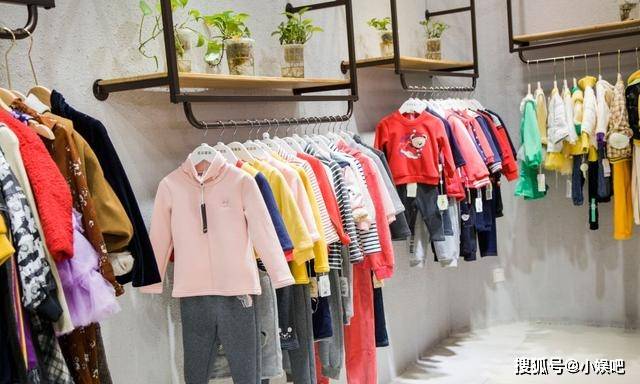
线上线下服装价格差异

Search documents
实体店一件衣服500元,为何电商却只卖几十块?答案被揭开了
Sou Hu Cai Jing· 2025-11-24 11:45
Core Insights - The significant price difference between clothing in physical stores and online platforms is attributed to various factors including material quality, design, operational costs, and supply chain differences [1][5][6]. Material Quality - Clothing sold in physical stores often uses high-quality materials such as silk and pure cotton, which provide better comfort and durability compared to the synthetic fibers commonly found in cheaper online options [3][5]. - The difference in fabric quality is likened to the contrast between premium and lower-end alcoholic beverages, emphasizing the substantial cost difference in materials used [3]. Design and Craftsmanship - Physical store garments are typically designed by professionals, involving extensive time and effort in crafting the fit and details, which contributes to higher costs [3][5]. - In contrast, cheaper online clothing often mimics popular styles with simpler production methods, resulting in lower quality and durability [3][6]. Operational Costs - The operational expenses for physical stores, including rent, utilities, and wages, significantly impact pricing, necessitating higher prices to cover these costs [5][6]. - Online retailers benefit from lower overhead costs, often operating from less expensive locations and utilizing direct factory sourcing, which allows for lower pricing [5][6]. Supply Chain Differences - Online sellers typically purchase directly from manufacturers in bulk, reducing costs compared to physical stores that rely on multiple intermediaries, which increases the final retail price [5][6]. - The inventory management in physical stores also leads to higher prices due to limited stock and the need to maintain profitability [5]. Sales Strategies - Online platforms often adopt a low-margin, high-volume sales strategy, allowing them to sell products at lower prices while still achieving significant profits through high sales volumes [6]. - Physical stores, facing limited foot traffic, must maintain higher prices to ensure sustainability, leading to a contrasting business model focused on higher unit prices [6]. Future Trends - There is a growing trend of brands integrating online and offline sales strategies, which may lead to a narrowing of price differences between physical and online stores [6]. - Despite potential changes in sales strategies, the principle of "you get what you pay for" remains relevant, with quality and experience differing significantly between low-cost and higher-priced options [6][7].