
结婚人数反弹

Search documents
结婚人数突然反弹,什么信号?
虎嗅APP· 2026-01-14 09:49
Group 1 - The core viewpoint of the article is that marriage registrations in China are experiencing a significant rebound, with major cities like Shanghai and Shenzhen leading this trend [4][5][12]. - In 2025, Shanghai recorded 125,000 marriage registrations, a year-on-year increase of 38.7%, while Shenzhen saw 118,900 registrations, up 28.54%, both reaching five-year highs [5][6]. - Nationwide, marriage registrations reached 5.122 million pairs in the first three quarters of 2025, an increase of 405,000 pairs or 8.6% year-on-year [7]. Group 2 - The article attributes the rebound in marriage registrations to a combination of short-term factors, such as the "double spring year" phenomenon, and long-term policy changes [18][21]. - The "double spring year" in 2025 is expected to encourage marriages due to cultural beliefs associated with auspicious timing [22][23]. - Policy changes, including the nationwide marriage registration system and the cancellation of household registration books, have made it easier for couples to marry, particularly benefiting cities with large populations of young migrants like Shanghai and Shenzhen [25][26][28]. Group 3 - The article discusses the potential impact of increased marriage registrations on birth rates, noting that marriage is traditionally seen as a precursor to childbirth in China [37][38]. - While there is typically a time lag between marriage and childbirth, the rebound in marriage numbers in 2025 may lead to an increase in birth rates in 2026 [41][42]. - The central government's emphasis on promoting marriage and childbirth indicates a strategic approach to stabilize and increase the birth population [42][43].

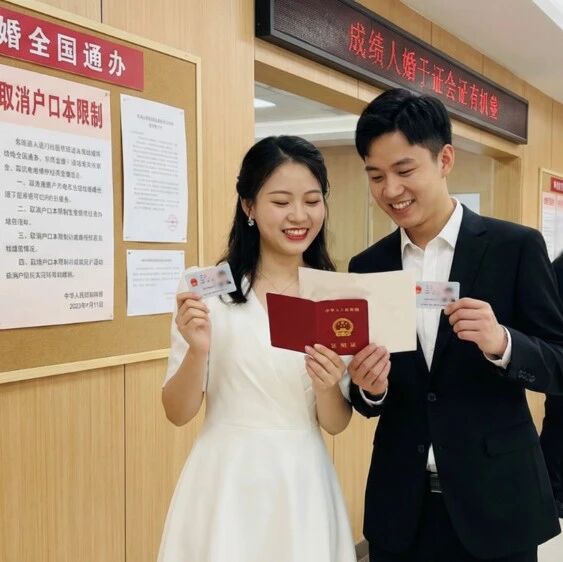
结婚人数反弹背后:各大城市为“催婚”有多操心
3 6 Ke· 2025-11-17 03:17
Core Viewpoint - The number of marriage registrations in China has rebounded in the first three quarters of 2025, with a total of 5.152 million couples registered, an increase of 405,000 compared to the same period last year, indicating a potential turning point in marriage trends [2][10]. Group 1: Marriage Registration Trends - The marriage registration numbers have been declining since reaching a historical high of 13.469 million in 2013, dropping to a low of 6.106 million in 2024 [2][11]. - Experts predict that the total number of marriage registrations for 2025 will exceed that of 2024, with estimates ranging between 6.52 million and 7.16 million [11]. Group 2: Innovative Marriage Registration Services - Various regions are implementing innovative marriage registration services, such as night-time registration experiences and temporary registration points at events like music festivals [3][4][5]. - The integration of marriage registration with cultural and entertainment events is attracting younger couples, enhancing the appeal of the marriage process [3][4]. Group 3: Government Incentives for Marriage - Many local governments are introducing financial incentives for marriage, including cash rewards and consumption vouchers for newlyweds [6][7]. - For instance, in Hunan Province, newlyweds may receive cash bonuses or vouchers, while cities like Ningbo and Hangzhou are offering consumption vouchers worth 1,000 yuan [6][7]. Group 4: Extended Marriage Leave Policies - As of now, 29 provinces have extended marriage leave, with Shanxi offering the longest at 30 days [8]. - The extension of marriage leave is seen as a supportive measure to encourage marriage among young couples [8]. Group 5: Societal Attitudes Towards Marriage - A report indicates that younger generations prioritize experiential value over traditional wedding formats, with many preferring intimate ceremonies [6][12]. - Economic pressures and the high costs associated with marriage and child-rearing are significant factors influencing young people's decisions regarding marriage [13][14]. Group 6: Long-term Marriage Trends - Despite the short-term increase in marriage registrations, demographic trends suggest a long-term decline due to decreasing birth rates and changing societal values regarding marriage [12][15]. - The younger population entering marriage age is smaller, and many express lower interest in marriage, influenced by economic and social factors [12][15].