
统筹保险

Search documents
多名车主遇“山寨保险”!有人自费1.2万元修车,有人闹上法庭……
Huan Qiu Wang· 2025-09-06 01:00
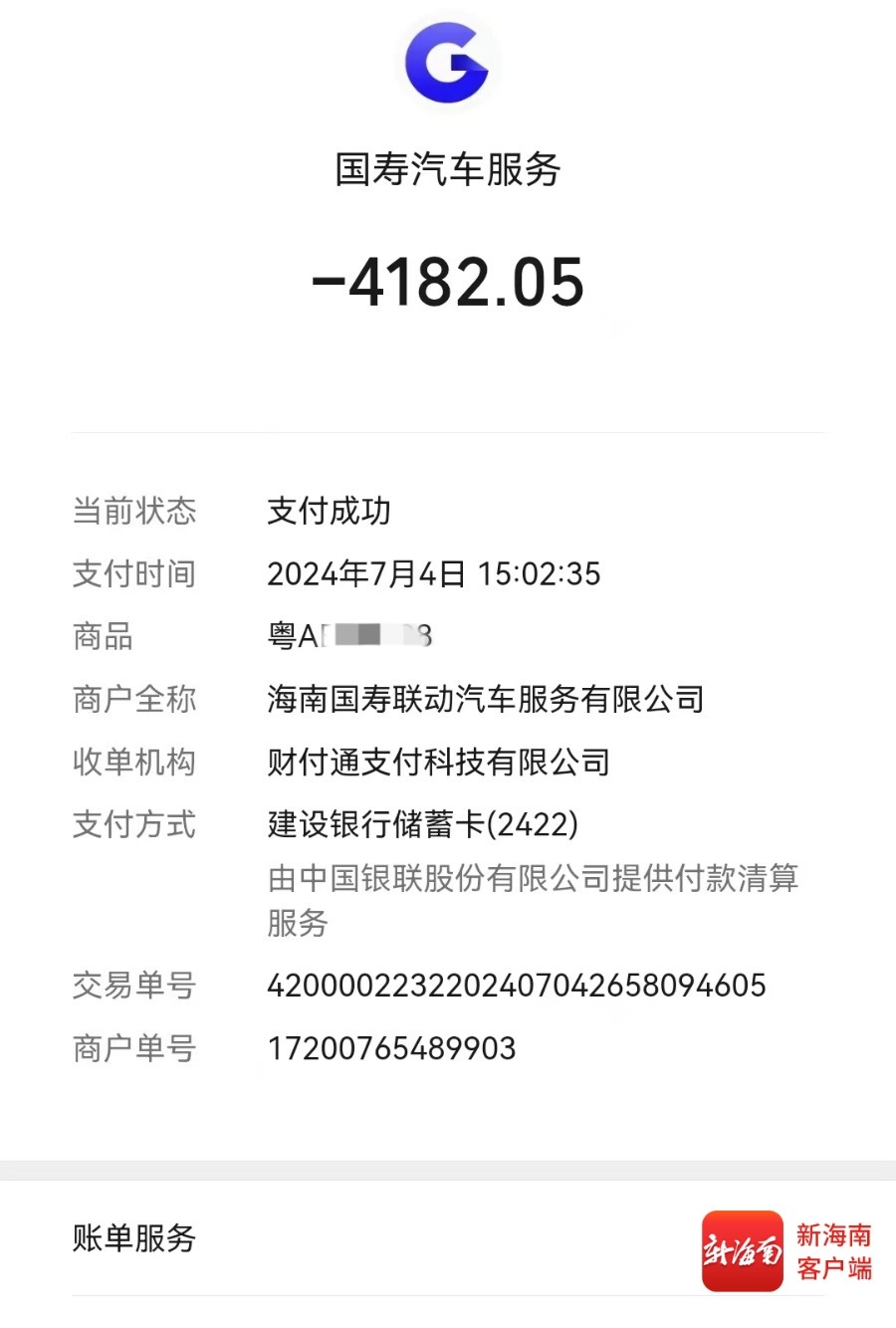
Core Viewpoint - The article highlights the issue of fraudulent insurance practices in China, specifically focusing on the case of "Hainan Guoshou Linked Automotive Service Co., Ltd." which has been selling non-viable insurance products to consumers, leading to significant financial losses for victims [1][11][17]. Group 1: Company Background - Hainan Guoshou Linked Automotive Service Co., Ltd. has been identified as lacking the necessary qualifications to operate as an insurance provider, having been listed in the business anomaly directory by the Haikou Market Supervision Administration a year prior due to non-operation [1][11][13]. - The company has also been placed on the Supreme People's Court's list of dishonest entities, indicating severe legal and operational issues [11][13]. Group 2: Consumer Experiences - Multiple consumers, including a Mr. Bai, reported difficulties in claiming insurance after accidents, with the company providing various excuses for delays and ultimately ceasing communication [1][4][5]. - Mr. Bai incurred personal expenses of 12,000 yuan to repair his vehicle after the company failed to fulfill its compensation promises [5][11]. Group 3: Legal Implications - The contracts signed by consumers with Hainan Guoshou Linked Automotive Service Co., Ltd. were not legitimate insurance contracts but rather "Motor Vehicle Safety Service Agreements," which do not fall under the jurisdiction of insurance law [6][10][17]. - Courts have ruled that the company cannot operate as an insurance provider without proper licensing, and any agreements made with them do not hold up against third-party claims [10][17]. Group 4: Industry Risks - The article warns that similar "crowdfunding insurance" or "mutual insurance" schemes are prevalent, often attracting consumers with lower costs but lacking the legal protections of traditional insurance [18][19]. - The China Insurance Industry Association has issued warnings regarding the risks associated with such non-insurance entities, emphasizing the potential for significant consumer losses if these companies face operational failures [18][19].

厦门金融监管局:警惕“非法中介” 做好“四要四不要”
Jin Rong Shi Bao· 2025-08-08 07:27
Core Viewpoint - The rapid development of the financial consumer market has led to the emergence of illegal intermediary organizations that exploit consumers through false promises and fabricated evidence, prompting the Xiamen Financial Regulatory Bureau to issue a warning about the risks associated with illegal intermediaries in the insurance sector [1] Group 1: Types of Scams - "Full Refund" Trap: Fraudsters claim they can assist with full refunds and charge fees based on a percentage of the refund amount, leading to significant losses for consumers who also risk legal repercussions for falsifying evidence [2] - "Injury Yellow Bull" Scheme: These criminals approach victims at accident scenes or hospitals, promising high compensation and quick claims, while actually inflating claims through forged documents and selling personal information for illegal activities [3] - "Coordinated Insurance" Scam: Fraudsters mislead consumers into purchasing non-insurance products under the guise of legitimate insurance, leaving consumers without adequate compensation in the event of an accident [4] Group 2: Consumer Protection Recommendations - "Four Musts": Consumers should choose legitimate channels for insurance transactions, protect personal information, critically assess risks associated with promises of no fees, and seek legal recourse through official channels in case of disputes [4] - "Four Must Nots": Consumers should avoid trusting third-party agents, refrain from signing blank authorization forms, not engage in evidence fabrication, and address disputes promptly to prevent further losses [5]