绥靖主义

Search documents
李公明|一周书记:在鲜血与废墟中阴魂不散的……帝国野心
Xin Lang Cai Jing· 2025-12-18 03:06
Core Viewpoint - The article discusses the historical parallels between World War II and current global tensions, emphasizing the relevance of studying WWII in light of contemporary conflicts such as the Russia-Ukraine war and the Israel-Palestine situation [2][3][4]. Group 1: Historical Context and Relevance - The commemoration of the 80th anniversary of WWII has been marked by a mix of unease and pessimism, with discussions around the potential for a third world war becoming prominent among political leaders and commentators [2][3]. - The historical narrative of WWII is being invoked in discussions about current geopolitical conflicts, suggesting that the lessons of the past remain pertinent today [2][4]. Group 2: Richard Overy's New History of WWII - Richard Overy's book "Blood and Ruins: The Great Imperial War, 1931-1945" is described as a significant contribution to WWII historiography, praised for its comprehensive and profound analysis [5][6]. - The book is noted for its global perspective and its reinterpretation of WWII as an extension of imperial ambitions, challenging traditional narratives that focus solely on the conflict between peace-loving nations and aggressive imperial powers [6][7]. Group 3: Key Themes in Overy's Work - Overy identifies four main premises that underpin his narrative of WWII: the time frame of the war, its global scope, the various forms of warfare, and the nature of the conflict as an imperial war [7][8]. - The starting point of WWII is proposed to be the 1931 Japanese invasion of Northeast China, which Overy argues marks the beginning of a new imperial era, rather than the commonly accepted 1939 date [8][9]. Group 4: Global Perspective on WWII - Overy emphasizes that WWII should be understood as a global event, with regional instabilities contributing to a broader crisis, rather than merely a European conflict [10][11]. - The book critiques the Eurocentric view of history, advocating for a narrative that encompasses the significance of events in Asia and other regions during the war [10][11]. Group 5: Nature of Warfare - Overy discusses the various forms of warfare present in WWII, including civil wars and total wars, highlighting the complexity of the conflict beyond state-to-state interactions [11][12]. - The concept of "imperial war" is central to Overy's thesis, suggesting that the war was fundamentally about imperial expansion and territorial ambitions [12][13]. Group 6: Implications for Contemporary Conflicts - The themes of territorial ambition and imperialism in Overy's analysis resonate with current geopolitical tensions, such as the Russia-Ukraine conflict and the Israel-Palestine situation, suggesting that historical patterns of aggression and expansionism persist [14][15]. - Overy's insights into the motivations behind imperial expansion provide a framework for understanding modern conflicts and the ongoing struggles for territory and influence [14][15].

泽连斯基着装变化:从戎装到“西装”,一场视觉符号的政治博弈?
Huan Qiu Shi Bao· 2025-08-21 22:54
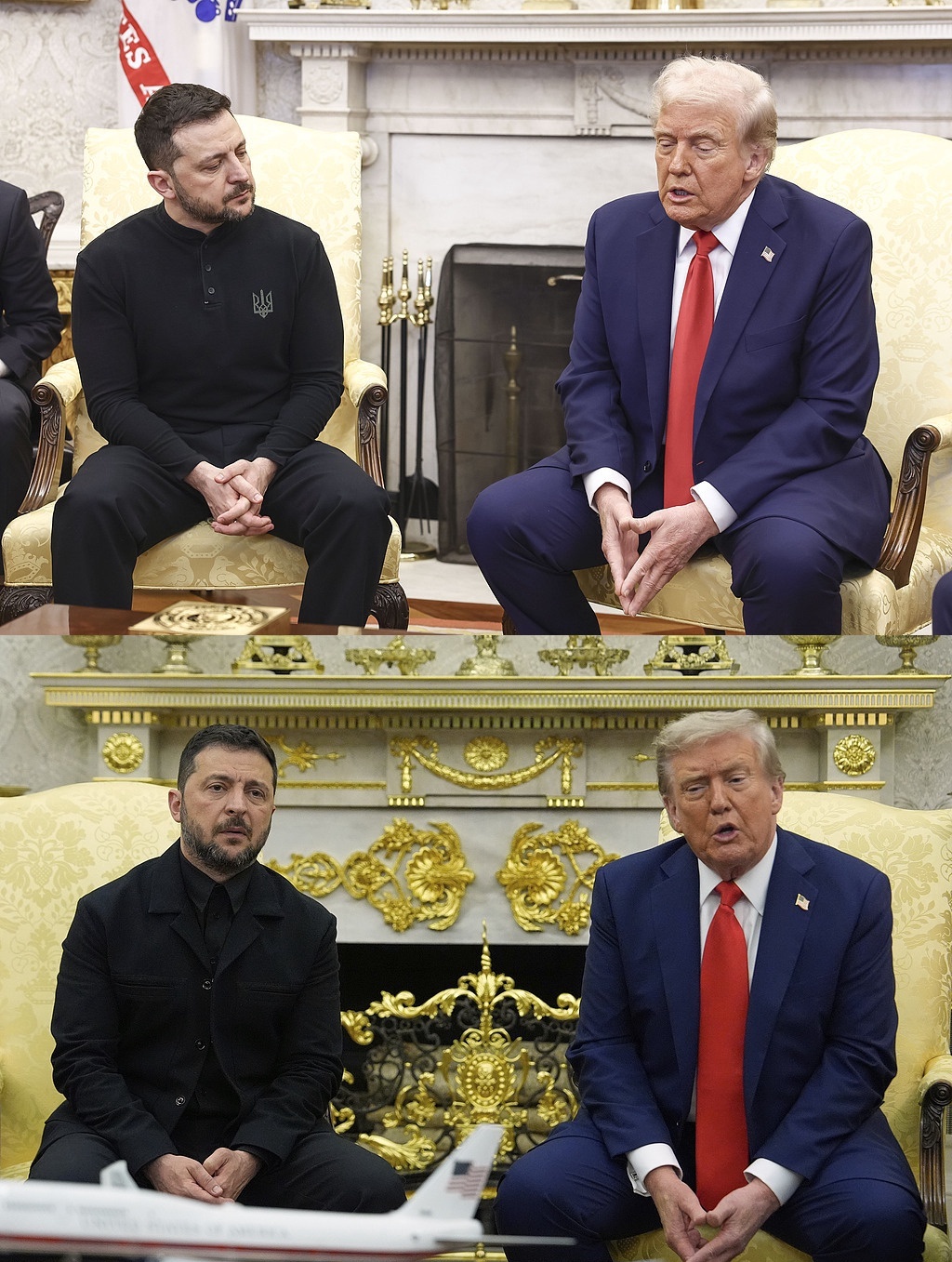
Group 1 - The article discusses the significance of Ukrainian President Zelensky's choice of attire during meetings with political leaders, particularly in the context of his previous military-style clothing and the recent shift to a suit [1][4][5] - The change in Zelensky's wardrobe is interpreted as a strategic move to convey a message of unity and respect towards American political norms, especially in light of past criticisms from former President Trump regarding his attire [4][6] - The article highlights the visual symbolism in political attire, noting how both Zelensky and Trump utilize clothing to communicate their political identities and messages to their respective audiences [5][6] Group 2 - The discussion includes the potential implications of Zelensky's attire on diplomatic relations, suggesting that his recent choice to wear a suit-like jacket may be an attempt to appease Trump and foster a more favorable dialogue [6][7] - The article also touches on the public's perception of Zelensky's outfit, questioning whether it can truly be classified as a suit, while emphasizing that the approval from Trump may be a significant factor in Zelensky's diplomatic efforts [7]
拜登痛批特朗普:他令美国掉价
财联社· 2025-05-08 08:07
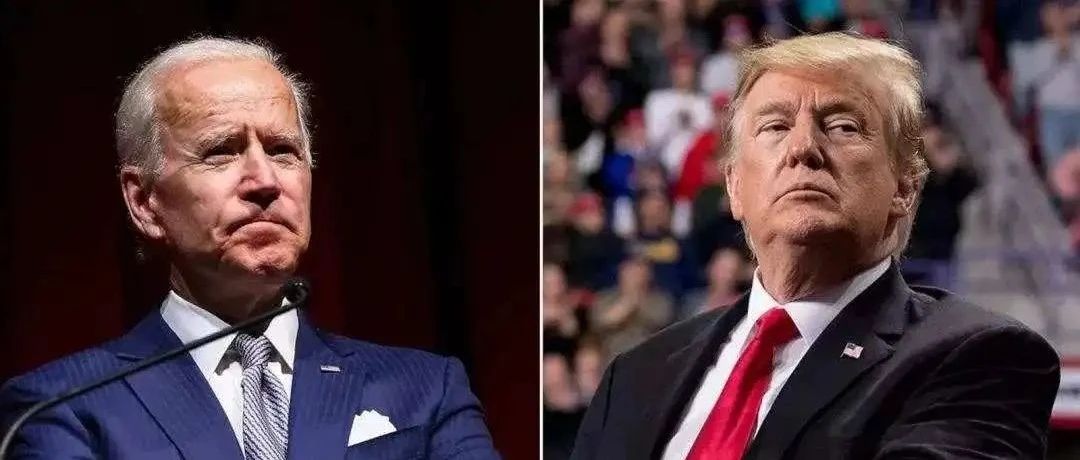
Group 1: Core Views - The article discusses former President Biden's criticism of current President Trump, focusing on foreign policy and the situation in Ukraine [1][2][3]. Group 2: Foreign Policy - Biden harshly criticizes Trump's foreign policy, particularly his intentions to acquire other countries, which he believes contradicts American principles [2]. - Specific examples of Trump's controversial statements include renaming the Gulf of Mexico to "American Bay," attempting to purchase Greenland, and suggesting Canada become the 51st state [2]. - Biden emphasizes the importance of NATO and expresses concern over its potential decline, stating it would significantly alter modern world history [2]. Group 3: Stance on Ukraine - Biden labels Trump's approach to ending the Russia-Ukraine war as "modern appeasement," criticizing Trump's suggestion that Ukraine might have to cede territory to Russia for peace [3][4]. - The term "appeasement" is historically linked to Western nations' tolerance of Hitler's territorial expansions in the 1930s [4]. Group 4: Trump-Zelensky Meeting - Biden critiques the February meeting between Trump and Ukrainian President Zelensky, describing it as a "farce" that diminished American dignity [5][6]. Group 5: Trump's Presidential Behavior - When asked if Trump's behavior resembles that of a monarch rather than a president, Biden cautiously states that Trump does not act like a Republican president [7][8]. - Biden believes the Republican Party is awakening to the reality of Trump's character and actions [9]. Group 6: 2024 Election Considerations - Biden addresses questions about potentially exiting the 2024 election, asserting that it is not a concern and highlighting Vice President Kamala Harris as a strong candidate [10][11]. - He reflects on the difficulty of stepping back from leadership due to the rapid developments during his administration [12]. - Biden confirms he does not regret his decision to run for re-election, considering it the right choice [13][14].
“不像个总统”,重新活跃的拜登再批特朗普
Xin Lang Cai Jing· 2025-05-08 07:39
Core Points - The article discusses former President Joe Biden's recent interview, where he criticizes Donald Trump's foreign policies and expresses concerns about the future of the transatlantic alliance [1][2][4]. Group 1: Biden's Criticism of Trump - Biden attacks Trump's remarks about renaming the Gulf of Mexico and threatening to reclaim the Panama Canal, questioning the appropriateness of such statements from a president [1]. - He expresses that Trump's actions do not align with the values of a Republican president and suggests that Republicans are beginning to recognize Trump's true nature [1][2]. - Biden condemns Trump's appeasement towards Russia, particularly regarding the proposed peace agreement that would allow Russia to control parts of Ukraine [4][5]. Group 2: Concerns About Transatlantic Relations - Biden worries that Trump's policies and attacks on NATO allies are leading to a decline in the transatlantic alliance, which could alter modern world history [1][2]. - He highlights that European leaders are questioning their reliance on the U.S. for support and leadership [2]. Group 3: Biden's Future Plans - Biden is preparing to write a new memoir and plans to continue making public appearances, having recently signed with a talent agency for future engagements [5][6].