绿色振兴

Search documents
华蓥市:书写高质量转型发展新篇章
Si Chuan Ri Bao· 2026-01-24 21:50
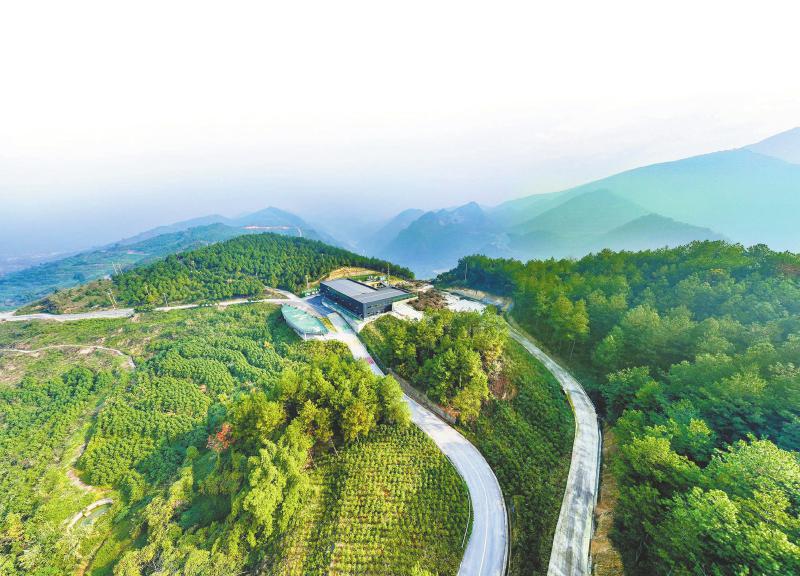
Core Viewpoint - The transformation of Huaying City from a resource-dependent coal and cement economy to a diversified, sustainable urban environment is highlighted, showcasing a successful model for resource-exhausted cities in China [3][4][6]. Group 1: Industrial Transformation - Huaying City is shifting from a reliance on coal and cement ("one black, one white") to a diversified industrial structure, focusing on modern industries such as basalt fiber, electronic information, and equipment manufacturing [4][5]. - The city has established four key industrial clusters: basalt fiber new materials, electronic information, equipment manufacturing, and energy building materials, with significant projects like the world's first large basalt steel material deep-sea aquaculture platform [4][5]. - By 2025, Huaying's GDP is projected to exceed 21 billion, a 239% increase since 2009, with specialized industries contributing over 10 billion, accounting for 89.4% of the total industrial output [5]. Group 2: Ecological Restoration - Huaying is actively addressing historical environmental damage from mining by implementing comprehensive ecological restoration projects, including the rehabilitation of mining subsidence areas and the protection of forest resources [6][7]. - The city has developed a significant oil camellia industry, with over 78,000 acres planted, generating an annual output value of 1,300 per acre, and has created a provincial-level modern forestry park [6][7]. - As of now, Huaying has added 100,000 acres of forest land and effectively managed 44 square kilometers of mining subsidence areas, increasing the forest coverage rate [7]. Group 3: Urban Renewal - Huaying is enhancing urban living conditions by improving infrastructure and public services, with 22 urban renewal projects completed, revitalizing over 190 old residential communities [9][10]. - The city has been recognized as a model for systematic urban sponge city construction, with new parks and improved public amenities contributing to a more livable environment [9]. - Significant investments in transportation and education have been made, including the construction of new highways and partnerships with quality educational institutions, enhancing overall community welfare [10].