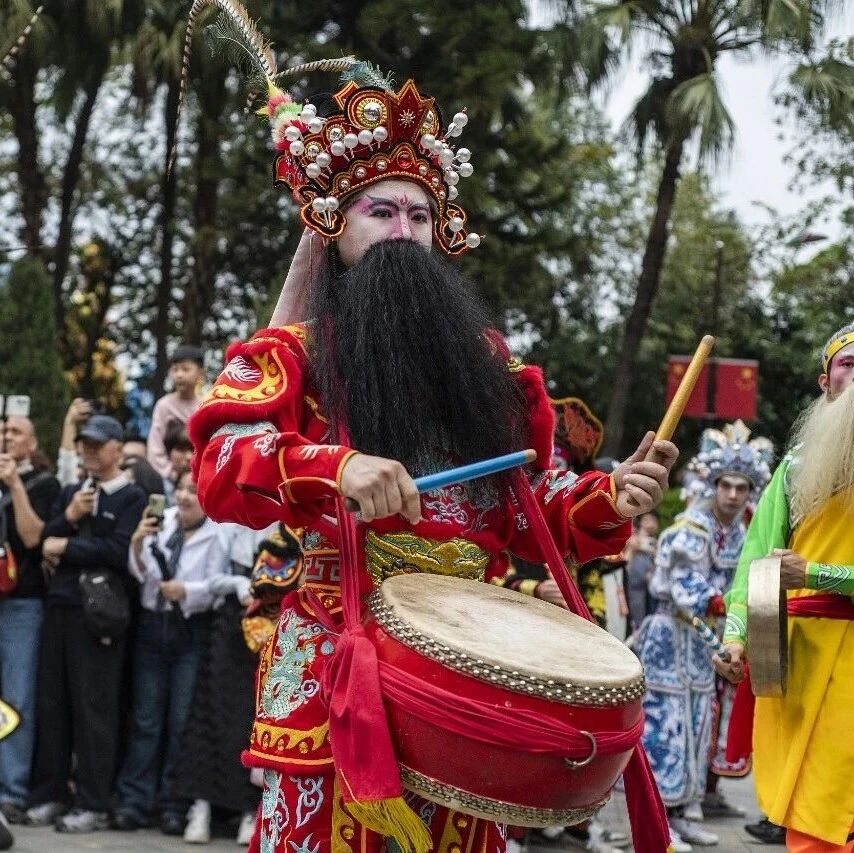
网红城市发展

Search documents
潮汕被挤爆了
投资界· 2026-02-24 03:28
Core Viewpoint - The article highlights the unexpected surge in popularity of the Chaoshan region (Shantou, Chaozhou, and Jieyang) during the 2026 Spring Festival, driven by a unique combination of local cuisine and traditional cultural experiences, leading to significant increases in hotel bookings and prices [4][5][6]. Group 1: Hotel Price Surge - Hotel prices in Shantou skyrocketed, with mid-range hotels charging up to 1,000 to 2,000 yuan per night, comparable to five-star hotels in major cities [4]. - Booking data from Ctrip shows that hotel reservations in Shantou increased by 186% year-on-year, while Jieyang saw a 337% increase, and Chaozhou experienced a 135% rise, all significantly above the national average [4][6]. Group 2: Dual Demand Factors - The surge in hotel prices is attributed to a dual demand imbalance: returning overseas Chinese from the Chaoshan region and an influx of tourists drawn by social media exposure of local attractions and cuisine [5][6]. - The Chaoshan region is known for its large overseas Chinese population, with approximately 15 million people, who are less sensitive to hotel prices during the festive season [6]. Group 3: Cultural and Culinary Appeal - The region's appeal is rooted in its rich culinary offerings, particularly the authentic Chaoshan beef hotpot, which is widely recognized across China but best experienced locally [7][8]. - The traditional festive atmosphere in Chaoshan, characterized by vibrant local customs and events, has resonated with tourists seeking a genuine cultural experience during the New Year [8][9]. Group 4: Challenges Ahead - Despite the current popularity, the region faces challenges similar to other previously trending cities, including inadequate service infrastructure, market order issues, and insufficient cultural IP development [11][12]. - The article suggests that learning from the experiences of other cities can help Chaoshan maintain its appeal and avoid the pitfalls of being a fleeting trend [12][13].

鸡排哥难救景德镇
Hu Xiu· 2025-10-02 03:00
Core Viewpoint - The article discusses the phenomenon of "Chicken Chop Brother" in Jingdezhen, highlighting the city's attempt to leverage this figure for tourism during the upcoming National Day holiday, while also raising concerns about the sustainability of such marketing strategies and the potential pitfalls of relying on transient popularity [2][3][12]. Group 1: Marketing and Tourism Strategy - Jingdezhen has positioned "Chicken Chop Brother" as a key figure for attracting tourists, even granting him the title of "Jingdezhen Cultural Tourism Promotion Officer" [5][6]. - The local government has taken proactive measures, including forming a task force to maintain order and enhance customer experience during the holiday [4][6]. - The strategy reflects a broader trend where cities attempt to capitalize on viral figures to boost tourism, reminiscent of previous cases like Zibo and Tianshui [8][9]. Group 2: Risks of Short-term Popularity - The article warns that while such marketing can generate immediate attention, it does not guarantee long-term benefits for the city's economy or reputation [25][28]. - There is a concern that excessive commercialization and artificial promotion can detract from the authentic experience that tourists seek, potentially leading to disappointment [20][30]. - The experience of other cities, such as Dubrovnik, illustrates the risks of over-reliance on tourism without addressing underlying infrastructure and service quality [40][44]. Group 3: Public Perception and Social Media Impact - Social media plays a dual role, amplifying both the appeal of viral figures and the visibility of a city's shortcomings, which can lead to negative feedback if expectations are not met [26][28]. - The article highlights the importance of genuine experiences over manufactured ones, as tourists are increasingly wary of feeling manipulated by marketing tactics [23][30]. - The potential for backlash is significant if the reality does not align with the marketed experience, which could harm the city's long-term reputation [31][32].