
网络文学创作

Search documents
让沉睡的文物在故事中苏醒——从武王墩考古看历史故事赋能网络文学创作
Xin Hua She· 2026-01-21 21:10
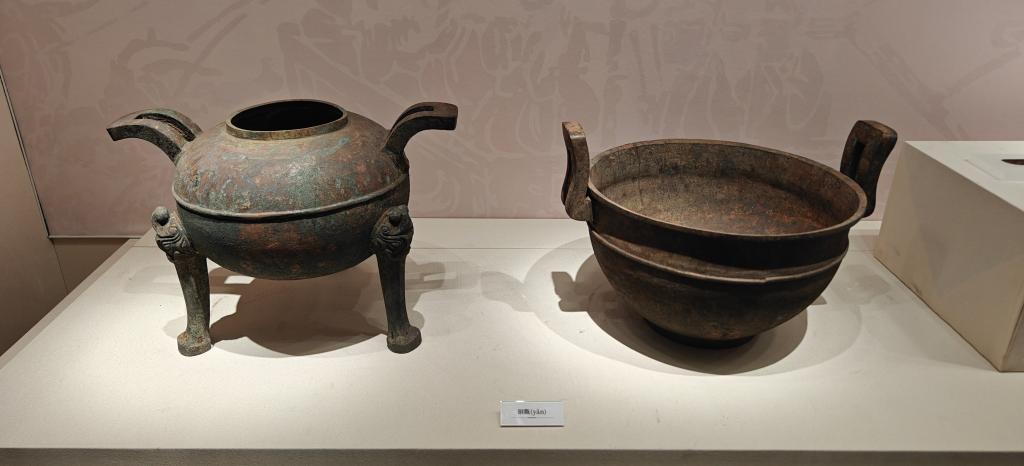
Core Viewpoint - The integration of archaeology and online literature is fostering a dialogue that brings ancient Chinese civilization to life in contemporary narratives, as demonstrated by the event "Crossing the Wu Wang Dun: From Archaeological Site to Literary Scene" held in Beijing and Anhui Huainan [1] Group 1: Historical Discoveries as Creative Material - The archaeological findings at Wu Wang Dun, including bronze vessels and lacquerware, serve as a profound source of inspiration for online writers, allowing them to connect with real historical contexts [2] - Writers express that archaeological artifacts, despite their small size, embody the grandeur of pre-Qin culture, providing essential authenticity for their creative works [2][3] Group 2: Creative Transformation and Depth - The challenge for writers lies in transforming cold cultural symbols into warm, relatable stories that resonate emotionally with readers [4] - Writers are encouraged to delve into the spiritual essence behind artifacts, linking ancient values of perseverance and dedication to contemporary struggles [4] Group 3: Cultural Mission of Online Literature - Online literature is evolving beyond mere appropriation of cultural symbols, aiming to infuse ancient civilization's essence into modern narratives, thus creating compelling stories that reflect contemporary Chinese values [7] - The genre is increasingly focusing on themes relevant to China's modernization efforts, with works highlighting advancements in technology and national spirit [7][8] - Online literature is becoming a significant medium for the international dissemination of Chinese culture, with approximately 200 million active users globally [7]

穿越武王墩 笔绘楚风华
Xin Lang Cai Jing· 2025-12-30 17:06
Core Insights - The article highlights the profound impact of cultural heritage on literary creation, emphasizing the importance of immersing oneself in historical contexts to inspire new works [4][5][6][7][8][10][11] Group 1: Cultural Influence on Writing - Writers express that visiting historical sites and museums provides invaluable inspiration, transforming them from mere observers to active participants in history [4][5][8] - The integration of local cultural elements into literary works is seen as essential for creating emotionally resonant narratives that connect with readers [5][6][11] Group 2: Collaborative Opportunities - The recent collaborative initiatives announced during the cultural exploration have garnered significant attention within the national online literature community, indicating a potential for expanded cultural influence [6] - There is a collective desire among writers to engage in deeper collaborations that promote and disseminate the unique stories and cultural heritage of Anhui [6][7] Group 3: Personal Connections to History - Writers express a personal connection to their roots, with specific locations like Shouxian holding special significance, which fuels their creative processes [6][7] - The experience of standing on historical ground allows writers to feel the weight of history, leading to breakthroughs in their creative blocks [8][10] Group 4: Future Creative Directions - Several writers plan to explore themes related to local history and culture in their upcoming works, inspired by the artifacts and stories encountered during their visits [10][11] - The richness of Chu culture, particularly its culinary aspects, is identified as a new avenue for literary exploration, with plans to incorporate these elements into future narratives [11]

徐 州:双轮驱动汉文化传承
Ren Min Ri Bao Hai Wai Ban· 2025-11-10 02:02
Core Insights - The third Han Culture Forum was held in Xuzhou, Jiangsu, focusing on the theme "How to be Han: Harmony and Coexistence" [1] - The forum resulted in a digital cooperation agreement between the National Library of China and the Xuzhou Municipal Bureau of Culture, Radio, Television, and Tourism to digitize Han stone carvings, enhancing the preservation and dissemination of this cultural heritage [1] Group 1: Digitalization and Cultural Preservation - The Han stone carvings, known as "epics on stone," date back to the early Western Han period and vividly depict the social life of that era, including agriculture, fishing, and transportation [1] - The digitalization efforts will include storing the results in the National Version Resource Database and utilizing VR and AR technologies to create immersive exhibition experiences [1] Group 2: Literary and Cultural Promotion - A joint initiative between the China Writers Association's Online Literature Center and the Xuzhou Municipal Propaganda Department will support the creation of 10 online literary works focused on Han culture over the next two years, with each receiving funding of 20,000 yuan [1] - This initiative aims to promote the transformation of these literary works into film, animation, and gaming, making Han culture accessible to the general public through contemporary popular culture [1] Group 3: Significance of the Forum - The forum was organized by the Xuzhou Municipal Committee of the Communist Party of China and the Xuzhou Municipal People's Government, marking a new phase in the dual-driven approach of digital preservation and artistic creation for Han culture [1]