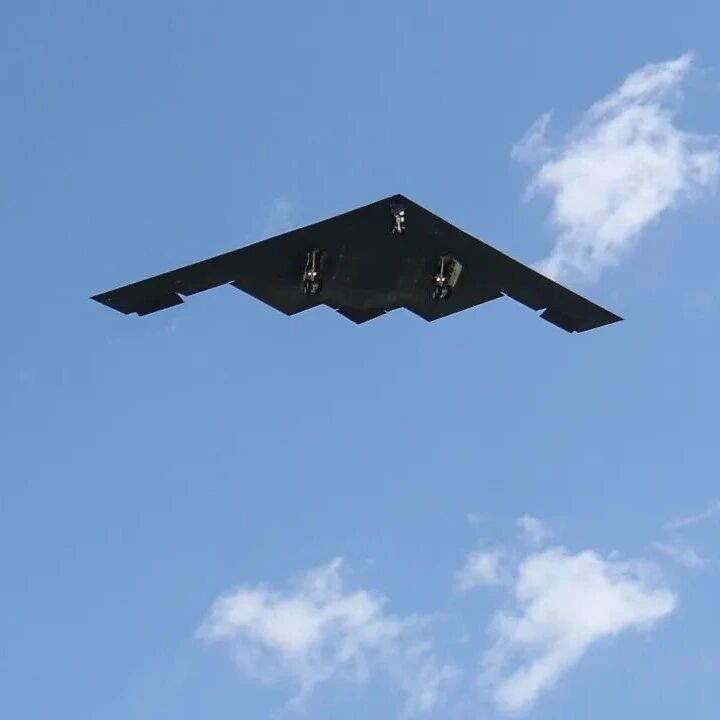
美以伊战争

Search documents
美国各界如何看待美以伊战争?
一瑜中的· 2026-03-30 08:31
文 : 华创证券首席经济学家 张瑜 执业证号:S0360518090001 联系人: 付春生(18482259975) 核心观点 美以对伊战争已持续一个月,本篇周报关注美国各界对战争的看法和态度。 普通民众:普遍不支持,但党派分化严重 多数民众反对或不认可军事行动,认为军事行动更多惠及以色列而非美国。但党派分化严重:共和党普遍 支持,尤其是MAGA群体,而民主党和独立选民则反对的比例极高 。 根据皮尤研究中心(3/16-3/22)的调查,约六成(61%)反对特朗普处理伊朗冲突的方式,37%的受众表示 赞同。民主党人和倾向民主党的独立人士(90%)压倒性反对,共和党人及倾向共和党的人(69%)则认可 特朗普行动。此外,54%的民众认为战争至少还将持续六个月,35%的人预计还会持续一到六个月,只有 8%的人认为将在不到一个月内结束。 根据FOX新闻(3/20-3/23)的调查,整体上,42%的选民支持美国对伊军事行动,58%的人反对,其中近四 成强烈反对。同样存在明显的党派分歧:90%的MAGA群体支持,77%的共和党人支持,而独立人士 (28%)、自由派(13%)、民主党(12%)中的支持者比例很小。 全美各地 ...


美军三箭齐发,伊朗以劳待逸
经济观察报· 2026-03-26 04:36
特朗普现在面临的最大问题是市场。油价、股价、美债价格像 三条鞭子抽打他的神经。他不断释放和谈信号,不断重申不会 轰炸伊朗的石油设施,就是在尽力稳定市场。问题是,特朗普 通过社交媒体进行的、几乎夸张到变形的表演,对市场的影响 难以持久。 作者:王义伟 封图:视觉中国 3月24日,多家美国媒体发出报道,美军王牌部队第82空降师已经接到命令,先期派遣3000名官 兵前往中东执行任务,后续还有部队待命,随时开动。 这标志着特朗普甩出了王炸! 美军第82空降师有一个标签:18小时全球抵达。该师下属的快速反应旅级战斗队(RRT, Rapid Reaction Team)在战备值班状态下,可在18小时内完成集结并空运至全球任何地点。 虽然命令已经下达,但笔者估计这支3000人的部队不大可能立即动身。因为美军另外两支从海上 赶来的部队还没有到,其中从日本赶来的第31远征队预计在3月27日抵达攻击阵位,从美国本土 赶来的第11远征队则要到4月上旬或中旬才能赶到。 战事发展到现在,可以得出一个基本结论,此次美以伊战争分为两个部分:上半场空袭、下半场地 面战(夺岛作战)。 上半场的空袭又分为两个阶段:第一阶段"斩首",主要目标是消 ...
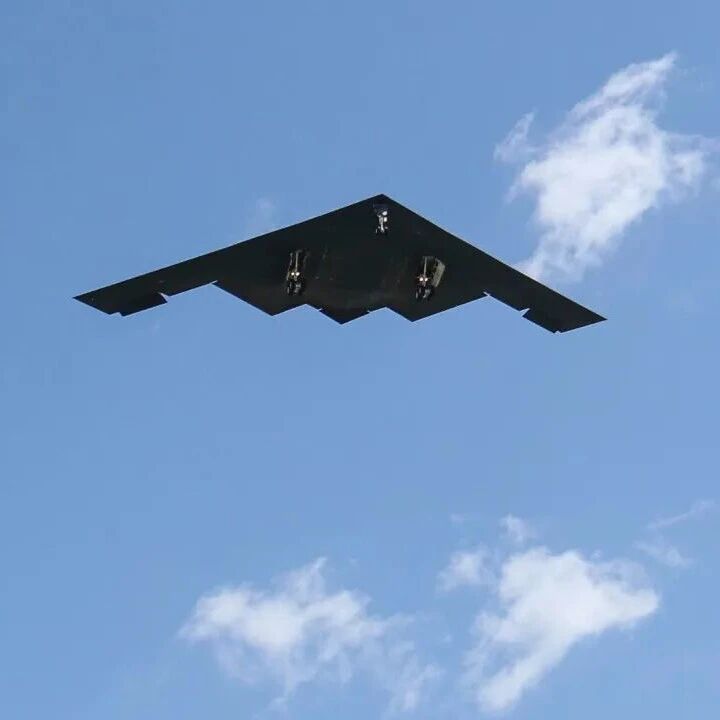
特朗普的“史诗级愤怒”
经济观察报· 2026-03-18 12:50
特朗普向多个盟友国家发出了联合护航霍尔木兹海峡的倡议, 并且反复提出要求,结果这些盟友几乎全部拒绝了。他伤心之 余,怒了!3月17日,特朗普在社交媒体发文,在宣泄愤怒之 余,称美国不再需要北约和其他国家的帮助。 作者:王义伟 封图:视觉中国 美国与以色列于2月28日发起的针对伊朗的军事行动代号是"史诗级愤怒"( Epic Fury)。 无独有偶。 3月17日,美国政治新闻网站(POLITICO)发出一篇报道,题目是《"从未见他如此愤怒":特朗 普 对 于 全 球 盟 友 拒 绝 加 入 对 伊 打 击 感 到 狂 怒 》 ( "Never heard him so angry": Trump is furious that global allies aren't pitching in in Iran)。 2019年上半年,伊朗与美英等国尖锐对立,过往霍尔木兹海峡的商船开始遭遇袭击。当年7月, 时任美国总统特朗普牵头成立了护航联盟,并点名要求日本参与。日本拒绝了特朗普的要求,但为 了给美国面子,日本决定独自行动,派遣护卫舰到霍尔木兹海峡附近海域,主要执行情报收集及为 日本籍船舶提供护航准备的任务。 这一次, ...
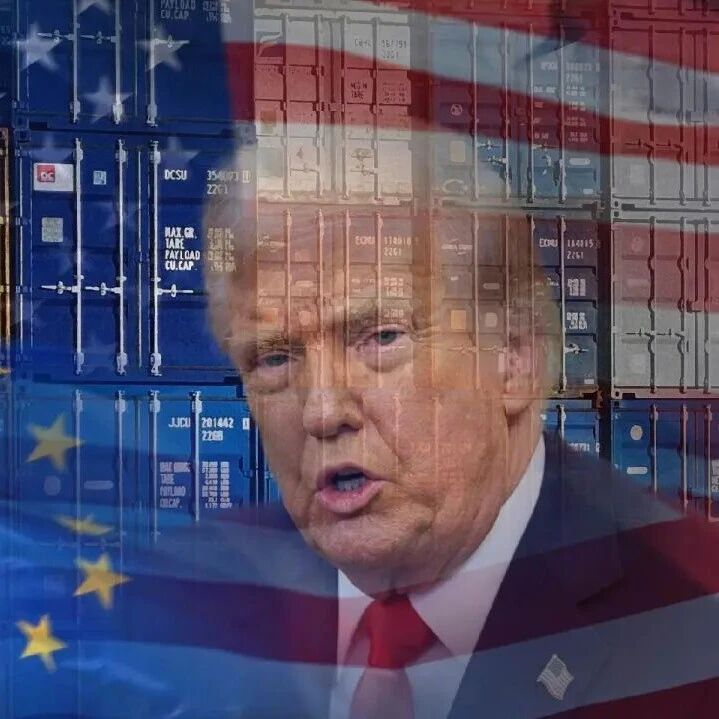
伊朗降温美以升级,战争进入第二阶段
经济观察报· 2026-03-09 10:30
Core Viewpoint - The conflict between the US and Israel against Iran is entering a second phase, characterized as "strong dismantling of Iran," which targets both civilian infrastructure and grassroots governance [1][11]. Group 1: Current Situation - As of March 9, two significant developments occurred: the appointment of Mojtaba Khamenei as the new Supreme Leader of Iran, and the surge in oil prices, with Brent and New York crude surpassing $100 per barrel [2]. - Iran is showing signs of de-escalation, while the US and Israel are expanding their military operations and intensifying the conflict [3][4]. Group 2: Iran's De-escalation Actions - Iran's military spokesperson reaffirmed the security of the Strait of Hormuz, stating it would not be closed, and emphasized that any closure would be officially announced [6]. - Iranian President Pezeshkian publicly apologized to neighboring countries, indicating that Iran would not target them unless provoked, which aims to prevent further escalation and reduce international economic impact [7]. Group 3: US and Israel's Military Actions - In contrast to Iran's de-escalation, the US and Israel are intensifying their military actions, including an attack on a desalination plant on Qeshm Island and strikes on oil facilities near Tehran, marking a shift towards targeting civilian infrastructure [8][9]. - The initial phase of the conflict focused on Iran's leadership and military capabilities, which have not been significantly diminished, allowing for potential retaliatory actions against US and Israeli forces [9]. Group 4: Future Implications - The second phase of the conflict may lead to further military escalation, including potential ground troop deployments to seize Iran's enriched uranium and oil export facilities [11]. - The emergence of Mojtaba Khamenei as the new Supreme Leader introduces new variables into the conflict dynamics, raising questions about future US and Israeli strategies against him [12][13].