美印贸易冲突

Search documents
莫迪破防了,美财长一句话,让印度颜面尽失,还没资格与中国比较
Sou Hu Cai Jing· 2026-01-12 05:43
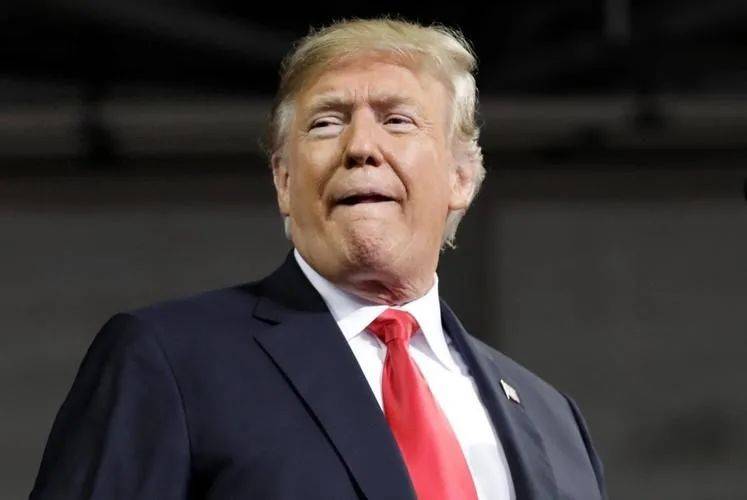
Group 1 - The U.S. imposed a 25% tariff on Indian goods starting August 1, raising the total tariff rate to 50%, which is the most severe action against a trade partner in recent years [1][3] - The Indian textile, jewelry, and footwear export sectors are expected to be the most affected, with many orders being canceled, leading to significant challenges for factory owners and workers [3] - U.S.-India trade negotiations have been ongoing since 2024, but progress has been slow due to persistent disagreements, with the U.S. seeking more market access and lower tariffs while India sets up non-tariff barriers [4][6] Group 2 - Indian Prime Minister Modi has publicly stated that he will not compromise domestic interests to appease the U.S., emphasizing national sovereignty and development [8] - Modi's recent overtures towards China, including visits by defense and foreign ministers, are seen as a strategic move to balance relations amid U.S. pressure [9][11] - Observers note that India's diplomatic strategy of trying to please both the U.S. and China may lead to being marginalized in the evolving global landscape, as it struggles to find a stable position between major powers [12][14]

莫迪这回赌赢了!印度终于等来“救星”,中国专机出发,中印要打一场漂亮的“反击战”
Sou Hu Cai Jing· 2025-08-19 06:04
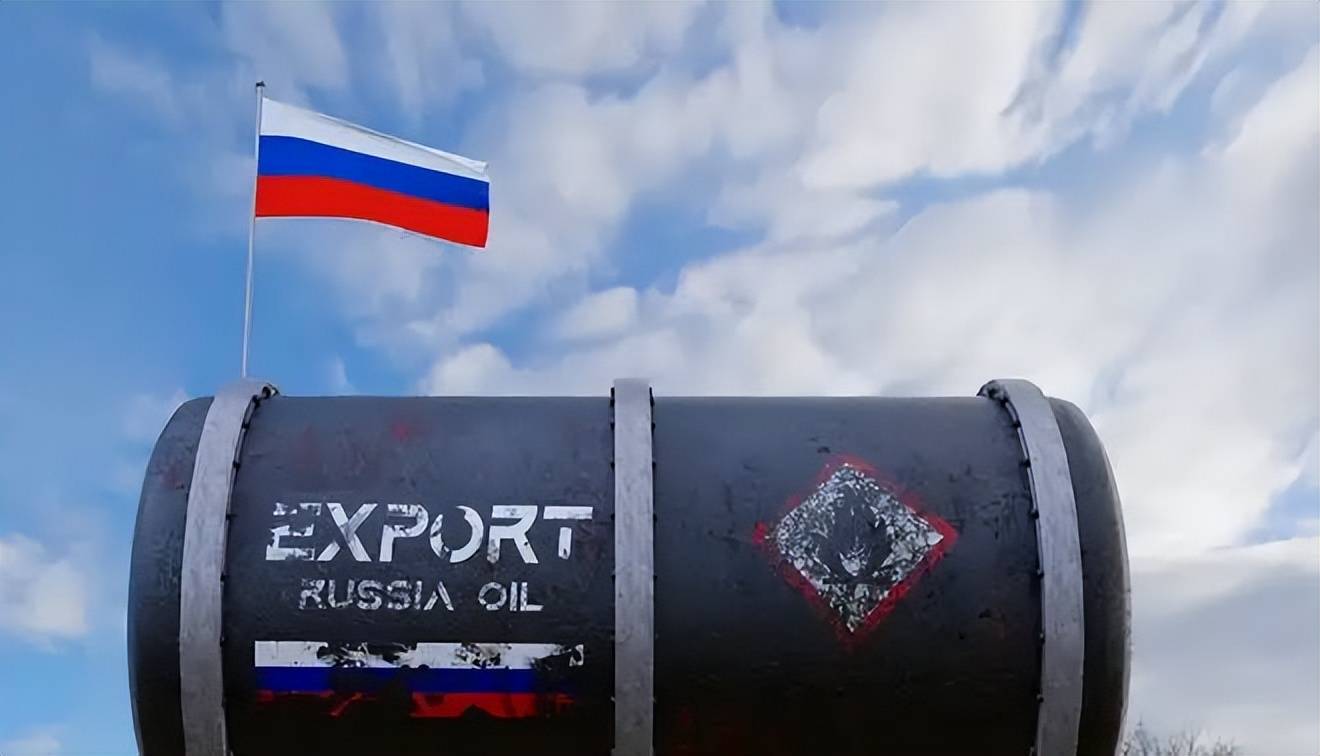
Group 1 - The core issue revolves around the U.S. imposing an additional 25% tariff on Indian imports due to India's purchase of Russian oil, raising the total tariff on Indian goods to 50% [1][3] - The Indian government has responded strongly, labeling the U.S. actions as "unfair, unjust, and unreasonable," indicating potential retaliatory measures [1][3] - The U.S.-India trade negotiations have stalled, particularly over agricultural products, leading to heightened tensions in bilateral relations [3] Group 2 - Chinese Foreign Minister Wang Yi's upcoming visit to India is significant, occurring against the backdrop of improving Sino-Indian relations after years of tension following border conflicts [5][7] - The resumption of various bilateral mechanisms between China and India suggests a positive trend, with both nations aiming to prevent border issues from hindering their relationship [5][7] - India's Prime Minister Modi is considering attending the Shanghai Cooperation Organization summit in China, marking his first visit to China in seven years, which could further enhance diplomatic ties [5][7] Group 3 - The current U.S. tariffs have prompted India to seek alternative partnerships, particularly with China, to mitigate economic impacts and enhance its international standing [7] - The potential for cooperation between China and India on border issues, economic collaboration, and cultural exchanges could lead to a more stable and beneficial relationship for both nations [7]