美联储权力结构裂变

Search documents
美联储敲响警钟!!!
Sou Hu Cai Jing· 2025-11-23 02:56
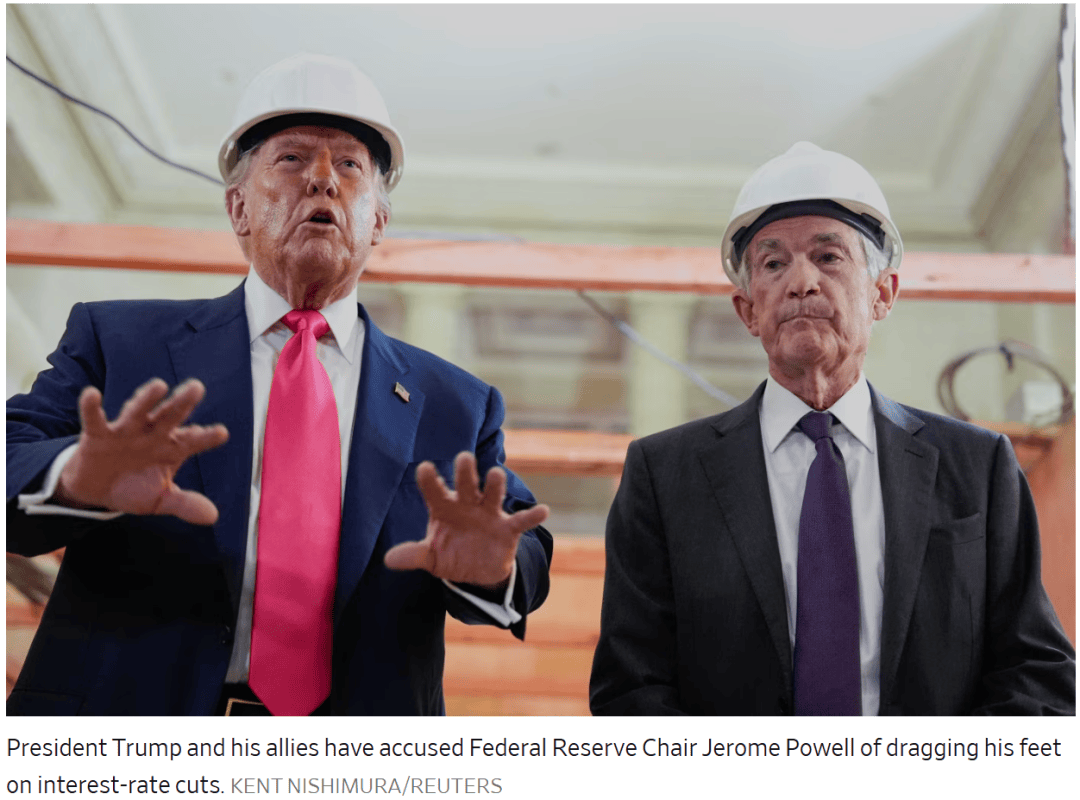
Group 1 - The core argument of the article is that even with a new Federal Reserve chairman appointed by Trump, the desire for interest rate cuts next year is unlikely to be realized due to a significant shift in the Federal Reserve's power structure, debunking the misconception that a change in chairmanship equates to rate cuts [2] - The December meeting may witness three or more dissenting votes, indicating a potential unprecedented decision-making process within the Federal Reserve that relies solely on majority votes [2] - The historical stability of the Federal Reserve has been based on consensus and unified communication, but the emergence of dissenting votes suggests a loss of this consensus, making it difficult for the new chairman to unilaterally decide on rate cuts [2] Group 2 - The article introduces the "7:5" voting model, where 7 votes are in favor and 5 against, highlighting the potential instability in decision-making as the Federal Open Market Committee (FOMC) requires a simple majority of 7 votes out of 12 [3] - Increased volatility in financial markets is anticipated as the predictability of policies and decision-making paths becomes uncertain, leading to heightened market reactions to Federal Reserve communications [3] - The article warns of institutional risks as the market focuses on immediate economic indicators while overlooking the potential for significant changes in the Federal Reserve's structure and decision-making processes [3]