美联储货币政策预期差

Search documents
黄金最新拐点已现!黄金接下来究竟是跌还是涨?
Sou Hu Cai Jing· 2026-02-21 21:36
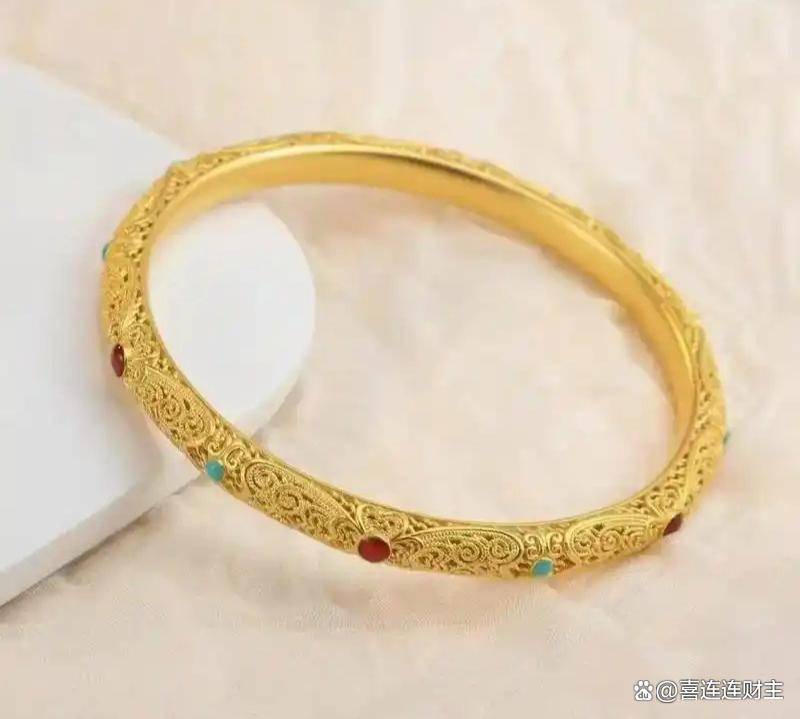
Core Viewpoint - The Chinese gold market in 2026 is experiencing significant price discrepancies, with gold prices varying widely across different markets and retailers, reflecting a complex and fragmented market environment [1][3][18]. Price Discrepancies - In February 2026, the price of a gold bracelet in a retail store in Weifang was 1536 yuan per gram, while the Shanghai Gold Exchange quoted Au9999 at 1108.5 yuan per gram, a difference of 427.5 yuan [1]. - Prices at various outlets include Water Bay wholesale market at 1266 yuan, Industrial and Commercial Bank's investment gold bars starting at 1105 yuan, and brand stores like Lao Feng Xiang at 1360 yuan and Chow Tai Fook at 1315 yuan [1]. Market Volatility - The gold market is undergoing severe fluctuations, highlighted by a record high of 5598.75 USD per ounce on January 29, 2026, followed by a sharp drop of 9.25% the next day [3]. - The volatility is exacerbated by speculative trading and changes in margin requirements at the Chicago Mercantile Exchange, leading to forced liquidations [3]. Central Bank Purchases - Central banks globally have maintained a net buying trend for 16 consecutive years, with 2025 seeing purchases of 863 tons of gold, although lower than previous years [5]. - The People's Bank of China has been a significant player, increasing its gold reserves to 7419 million ounces by the end of January 2026, marking 15 months of continuous purchases [5]. Emerging Market Actions - Other emerging market central banks, such as Poland and Hungary, are also increasing their gold reserves, with Poland planning to buy 150 tons, raising its total to 700 tons [6]. Structural Changes in Demand - The demand for gold is shifting towards long-term investment driven by central bank purchases and geopolitical uncertainties, as highlighted by the World Gold Council [8]. - The perception of gold as a reliable asset is growing, especially amid pressures on the dollar's credibility [8]. Impact of U.S. Monetary Policy - Fluctuations in gold prices are closely tied to expectations regarding U.S. Federal Reserve policies, with market predictions for interest rate cuts changing rapidly [8][9]. - Strong employment data in January 2026 led to a drop in gold prices, indicating the sensitivity of gold to economic indicators [9]. Consumer Behavior - Consumers are experiencing a divided market, with high demand for gold jewelry and significant price differences between retail and buyback prices, leading to confusion and frustration [13]. - The rise in gold ETF assets to 669 billion USD in January 2026 reflects a growing interest in gold as an investment vehicle [13]. Market Dynamics - The historical correlation between gold prices and U.S. Treasury yields has weakened, indicating a shift in market dynamics where gold is becoming a more independent asset class [15]. - Diverse demand from private sectors and emerging markets is providing a hedge against policy risks, prompting analysts to raise gold price forecasts for 2026 [16]. Future Outlook - Analysts have differing views on gold prices, with some predicting significant declines while others remain optimistic about continued strength due to ongoing geopolitical risks and central bank demand [16][18]. - The gold market in 2026 is characterized by a complex interplay of factors, including central bank purchases, monetary policy, geopolitical tensions, and speculative trading, creating a multifaceted investment landscape [18].