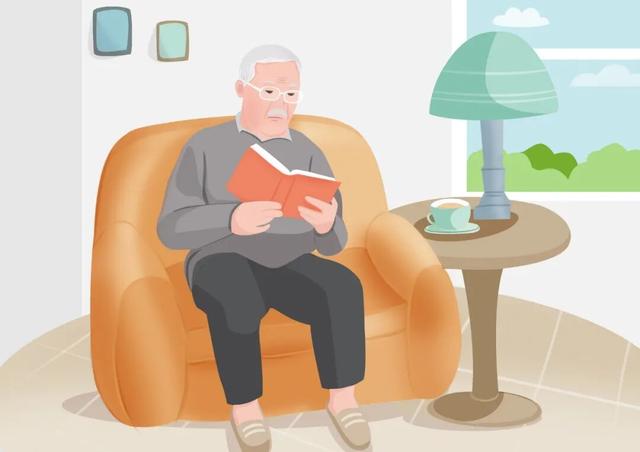
老视

Search documents
老花与远视是一回事吗?如何科学矫正?这些知识别错过 | 享银龄 护安康
Xin Lang Cai Jing· 2026-02-08 03:00
Group 1 - The article discusses presbyopia, a condition that affects near vision due to the natural aging process of the eye, characterized by the weakening of the ciliary muscle and hardening of the lens [1][2] - It differentiates presbyopia from hyperopia, noting that presbyopia is an age-related decline in the eye's ability to focus, while hyperopia is a refractive error that can occur at any age [2] - The article outlines the progression of presbyopia, indicating that the eye's accommodative power decreases from approximately 15.00-25.00D at birth to nearly 0D after age 60, with common symptoms appearing around age 45 [2] Group 2 - Preventive measures for maintaining visual health include early detection and intervention, as well as adopting good eye habits to manage presbyopia effectively [3] - The article suggests various corrective methods for presbyopia, including single-vision reading glasses, progressive multifocal glasses, and contact lenses designed for different focal distances [4][5][6] - Surgical options such as laser corneal surgery and intraocular lens implantation are also discussed, emphasizing the need for professional evaluation before proceeding with any surgical intervention [6][8] Group 3 - Recommendations for delaying the onset of presbyopia include practicing eye relaxation exercises, maintaining a healthy diet rich in nutrients beneficial for eye health, and scheduling regular eye examinations after age 40 [9][10][11][12] - Specific dietary suggestions include consuming foods high in lutein and omega-3 fatty acids to support eye health [11] - Regular eye check-ups are advised to ensure accurate fitting of reading glasses and to detect potential eye diseases early [12]
戴老花镜后,度数会越来越高?老花眼突然减轻是眼睛好了?都是误区
Xin Lang Cai Jing· 2026-01-15 05:02
Core Viewpoint - Presbyopia, commonly known as "old sight" or "farsightedness," is a natural aging process that cannot be cured or reversed, and all corrective measures are aimed at compensating for the loss of eye adjustment ability [2] Misconceptions and Truths - Misconception 1: Presbyopia can be cured Truth: Presbyopia is a physiological aging process that cannot be cured. All corrective methods are intended to compensate for the lost adjustment ability of the eyes, improving comfort and quality of life [3] - Misconception 2: Myopic individuals will not experience presbyopia Truth: Myopia and presbyopia are distinct vision issues with no direct causal relationship. Myopic individuals can still develop presbyopia, but their myopic prescription may offset some presbyopic effects at close distances [3] - Misconception 3: Any reading glasses will suffice Truth: Reading glasses should be customized based on individual vision needs, near working distance, and pupillary distance. Randomly purchasing or sharing reading glasses can lead to mismatched prescriptions and cause discomfort [4] - Misconception 4: Wearing reading glasses will increase prescription strength Truth: The degree of presbyopia naturally increases with age, typically stabilizing between 60 and 65 years. The progression of presbyopia is unrelated to wearing reading glasses [4] - Misconception 5: It is fine to wait until 50-60 years old to get reading glasses Truth: Delaying the use of reading glasses can negatively impact work efficiency and quality of life, leading to increased eye strain and potentially exacerbating other eye issues [5] - Misconception 6: A sudden decrease in presbyopic degree indicates improvement Truth: A decrease in presbyopic degree is unlikely; it may be a false indication due to cataract development or other health issues. Individuals should seek medical advice if experiencing such changes [6]