白内障

Search documents
世界の失明を50%減らす Overcome 50% of world blindness | 清水 映輔 Eisuke Shimizu | TEDxTeikyoU
TEDx Talks· 2026-04-06 15:53
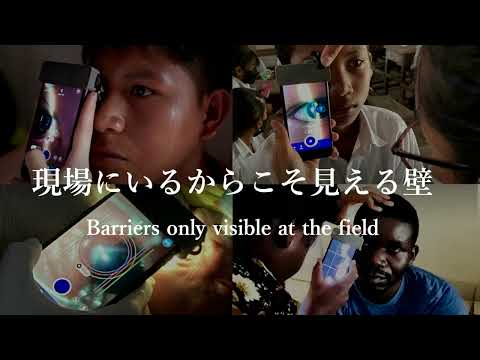
世界の説明を半分に減らすって聞いた時に 皆さんどう思いますかね. 壮大すぎますし 抽象的すぎるので何を言ってるんだって いうところが本音だと思います。で、なん で石個人である僕がこんなことを思うよう になったのか誰でもできることお伝え しようと思ってます。 2017年の10月です。今から約10年 前 眼科の医療支援ボランティアで開発途住国 に行きました。そういった環境ではこの 写真にあるように全く眼科の設備がないん ですね。 で、眼科は診断、治療、アフターケア、 全部大型の医療機器が必要です。そういっ た機器の中でこういったボランティアを やることリソースがすごい制限されてます 。ただその中でも患者さんはたくさん いらっしゃいます。 なので来る患者さん、来る患者さんに対し て手術をたくさんしなければいけない。 こういった現状の中で患者さんを失明疾患 から救うことというのを眼として行ってい ました。で、この医療現場、特にベトマに いた時、私は、え、このように患者さん から言われました。こう目が見えてないと 生きてる意味ないんだよって。これって すっごくすっごく重い言葉だと思います。 そしてすごく本質的な言葉だと ...

戴老花镜后,度数会越来越高?老花眼突然减轻是眼睛好了?都是误区
Xin Lang Cai Jing· 2026-01-15 05:02
Core Viewpoint - Presbyopia, commonly known as "old sight" or "farsightedness," is a natural aging process that cannot be cured or reversed, and all corrective measures are aimed at compensating for the loss of eye adjustment ability [2] Misconceptions and Truths - Misconception 1: Presbyopia can be cured Truth: Presbyopia is a physiological aging process that cannot be cured. All corrective methods are intended to compensate for the lost adjustment ability of the eyes, improving comfort and quality of life [3] - Misconception 2: Myopic individuals will not experience presbyopia Truth: Myopia and presbyopia are distinct vision issues with no direct causal relationship. Myopic individuals can still develop presbyopia, but their myopic prescription may offset some presbyopic effects at close distances [3] - Misconception 3: Any reading glasses will suffice Truth: Reading glasses should be customized based on individual vision needs, near working distance, and pupillary distance. Randomly purchasing or sharing reading glasses can lead to mismatched prescriptions and cause discomfort [4] - Misconception 4: Wearing reading glasses will increase prescription strength Truth: The degree of presbyopia naturally increases with age, typically stabilizing between 60 and 65 years. The progression of presbyopia is unrelated to wearing reading glasses [4] - Misconception 5: It is fine to wait until 50-60 years old to get reading glasses Truth: Delaying the use of reading glasses can negatively impact work efficiency and quality of life, leading to increased eye strain and potentially exacerbating other eye issues [5] - Misconception 6: A sudden decrease in presbyopic degree indicates improvement Truth: A decrease in presbyopic degree is unlikely; it may be a false indication due to cataract development or other health issues. Individuals should seek medical advice if experiencing such changes [6]

女子近视超千度又患上白内障,竟和佩戴隐形眼镜的不良习惯有关
Xin Lang Cai Jing· 2026-01-05 13:31
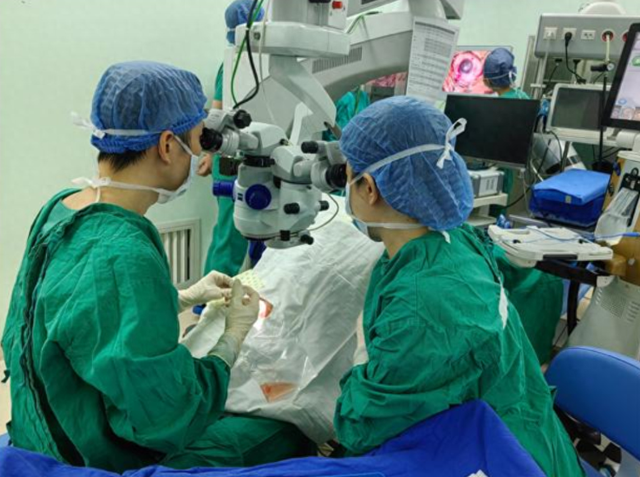
Core Viewpoint - The article discusses the case of a patient, Ms. Chen, who developed cataracts at an early age due to high myopia and poor contact lens habits, highlighting the increased risk of cataracts in high myopia patients and the importance of proper eye care [1][3][4]. Group 1: Patient Case and Diagnosis - Ms. Chen experienced worsening vision and was diagnosed with cataracts and corneal opacity at Shanghai's Tenth People's Hospital, despite her belief that her vision issues were due to worsening myopia or presbyopia [1][3]. - High myopia patients have a 2-3 times higher risk of developing cataracts compared to those with normal vision, primarily due to changes in the lens shape and metabolic disturbances caused by elongated eye axes [3][4]. Group 2: Surgical Procedure and Challenges - The surgical team, led by Dr. Zou Jun, developed a two-step surgical plan for Ms. Chen, starting with the right eye, which had less corneal opacity, using femtosecond laser-assisted cataract surgery [4][5]. - The surgery involved precise steps to minimize operational errors, successfully implanting an artificial lens, and significantly improving Ms. Chen's vision in the right eye [5]. Group 3: Recommendations and Precautions - Dr. Zou emphasized the need for annual eye examinations for high myopia patients to detect potential issues like cataracts, glaucoma, and retinal diseases early [5]. - Proper care for contact lenses, including regular cleaning and avoiding prolonged wear, is crucial to prevent complications such as corneal damage and inflammation that can trigger cataracts [4][5].
瞳孔中央全白了!25岁小伙一夜之间看不清,医生紧急提醒
Huan Qiu Wang· 2025-05-05 07:42
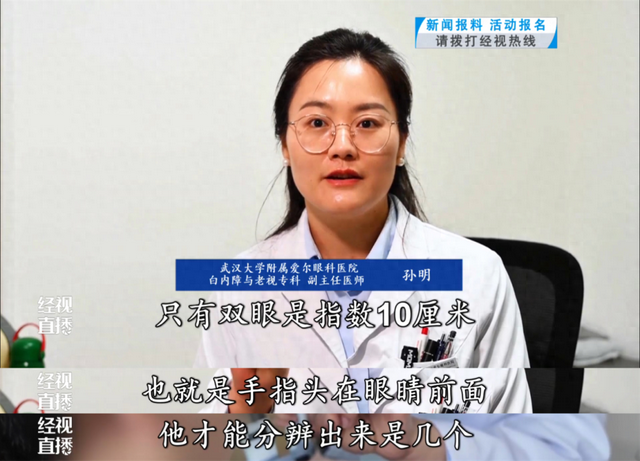
Core Viewpoint - The article highlights a rare case of cataracts in a 25-year-old individual, linking the condition to lifestyle choices, particularly a high-sugar diet, which can lead to diabetes and subsequently cataracts [1][3][4]. Group 1: Case Study - A 25-year-old man named Xiao Wu from Wuhan experienced sudden vision loss due to cataracts, which is typically uncommon in younger individuals [1][3]. - Medical examination revealed that Xiao Wu's cataracts were severe, with his lenses almost completely opaque, indicating a serious condition [1]. - Blood sugar levels were alarmingly high, exceeding thirty, which is three to four times the normal range, suggesting a potential link to diabetes [3]. Group 2: Medical Insights - The medical community has identified metabolic cataracts as a possible cause for young patients, particularly when other factors like trauma are ruled out [3][4]. - A significant factor contributing to Xiao Wu's condition was his dietary habits, which included a preference for sugary drinks and high-fat foods, increasing his risk of diabetes [4]. - Recent observations indicate a rising trend of cataracts in individuals in their twenties, often associated with high sugar consumption [4][6]. Group 3: Health Recommendations - Medical professionals urge young individuals not to underestimate the risks of metabolic diseases like diabetes, emphasizing the importance of dietary control and regular exercise [6]. - Recommendations include reducing the intake of high-sugar and high-fat foods and maintaining an active lifestyle to prevent health issues [6].