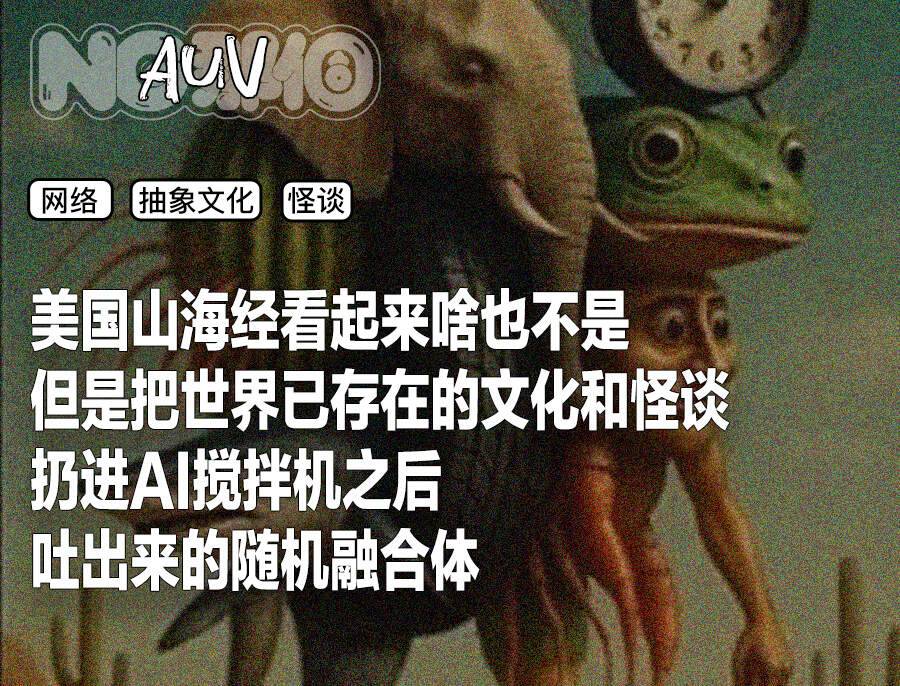
肉体恐怖

Search documents
美国山海经,赛博时代的新型怪谈
虎嗅APP· 2025-05-03 08:47
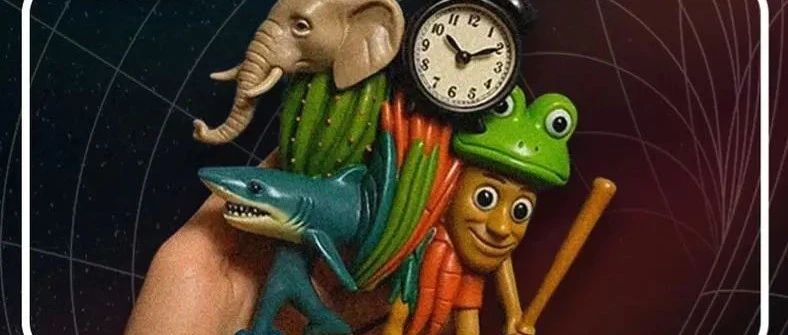
Core Viewpoint - The article discusses the rise of abstract and surreal content on social media, particularly focusing on the phenomenon of "Italian Brainrot Animals," which are AI-generated absurd images that have gained significant popularity online [4][11][21]. Group 1: Overview of "Italian Brainrot Animals" - "Italian Brainrot Animals" refers to bizarre, AI-generated creatures that combine elements of surrealism, including animals, everyday objects, and imaginative components, often presented with Italian-themed names and voiceovers [11][21]. - The most popular character, Tung Tung Tung Sahur, has garnered over 7.4 million views and 5 million likes on TikTok, indicating a strong engagement with this content [11][12]. - The trend has also permeated into various forms of media, including YouTube, where numerous derivative videos have emerged, showcasing the character in various humorous scenarios [12][16]. Group 2: Cultural and Psychological Implications - The creation of these brainrot animals reflects a blend of existing cultural myths and urban legends, with their absurdity drawing on elements of horror and folklore [21][23]. - The phenomenon taps into the "uncanny valley" theory, where human-like features in non-human entities evoke discomfort and fear, contributing to the eerie appeal of these creatures [51][78]. - The article suggests that the rapid generation of such content by AI raises questions about authenticity and the nature of creativity, as these images lack deeper meaning or thought processes [70][72]. Group 3: Social Media Dynamics - The article highlights how social media platforms have transformed the way urban legends and horror stories are disseminated, moving from traditional storytelling to AI-generated content that can spread rapidly [55][80]. - The phenomenon of brainrot animals exemplifies a new form of internet culture where absurdity and randomness dominate, leading to a unique blend of entertainment and potential misinformation [86][90]. - The engagement with these characters often leads to a disconnect between the audience's understanding of the content and the underlying messages, creating a space for both humor and darker interpretations [85][88].

美国山海经,赛博时代的新型怪谈
Hu Xiu· 2025-05-03 02:16
Core Viewpoint - The article discusses the emergence of a new phenomenon in the digital landscape, referred to as "American Shan Hai Jing" and "brain rot animals," which are AI-generated absurd images and videos that have gained significant popularity on social media platforms like TikTok and YouTube [1][6][28]. Group 1: Overview of Brain Rot Animals - Brain rot animals, also known as Italian Brainrot Animals, are absurd creatures created using AI, combining elements of animals, everyday objects, and surreal components, often presented with Italian names and accents [6][15]. - The most popular character, Tung Tung Tung Sahur, has garnered over 7.4 million views and 5 million likes on TikTok, showcasing the viral nature of this trend [6][10]. - These creations reflect a blend of urban legends and cultural references, with their absurdity resonating with audiences, leading to various adaptations and memes [17][28]. Group 2: Cultural and Psychological Implications - The phenomenon taps into deep-seated fears and cultural narratives, with characters like Tung Tung Tung Sahur drawing from religious and mythological elements, creating a sense of familiarity and discomfort [15][17]. - The article highlights the "uncanny valley" effect, where the human-like features of these creatures evoke fear due to their near-human appearance [42][30]. - The rise of brain rot animals signifies a shift in how urban legends and horror narratives are created and disseminated, moving from traditional storytelling to AI-generated content [45][46]. Group 3: Critique of AI-Generated Content - There is a growing concern regarding the lack of depth and creativity in AI-generated content, with critics arguing that such creations lack genuine thought and emotional resonance [52][56]. - The article references historical perspectives on the impact of technology on creativity, noting that figures like Hayao Miyazaki have criticized AI for undermining the artistic process [53][56]. - The phenomenon raises questions about the future of storytelling and the potential for AI to create narratives that blur the lines between reality and fiction, leading to a new form of digital folklore [62][63].