恐怖谷理论

Search documents
下一个万亿市场?人形机器人的“脸”和“脑子”,谁来做?
机器人大讲堂· 2026-02-09 04:04
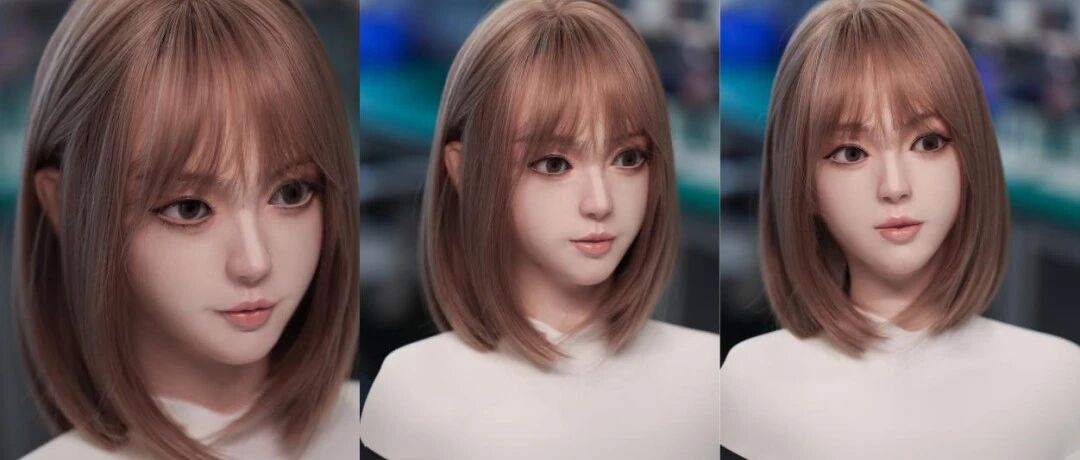
Core Viewpoint - The article discusses the evolution of human-robot interaction, emphasizing the shift from a tool-based interaction paradigm to a more emotionally engaging and life-like interaction model, termed "life-sensing interaction" [7][9][25]. Group 1: Old Paradigm vs. New Paradigm - The past decade has seen human-robot interaction evolve into a history of efficiency but a loss of emotional connection, where interactions have become tool-like and devoid of deeper relationships [7][8]. - The traditional interaction model focuses on task completion, leading to a paradox where more intelligent robots can evoke feelings of loneliness due to their programmed nature [8][9]. - The new paradigm proposed by Yiqing Technology aims to redefine interaction by fostering a sense of existence and understanding rather than mere task execution [9][25]. Group 2: Technological Framework - Yiqing Technology introduces a comprehensive technical framework called "Life Intelligence Base," which aims to inject social intelligence into robots, transforming their heads into primary carriers of life-sensing [11][22]. - The "Lingzhi 5" head integrates 33 micro-motors, allowing for intricate facial expressions and movements, emphasizing the importance of aesthetics in establishing trust [11][13]. - The concept of "life-sensing" is broken down into three dimensions: attention focus, emotional response, and temporal continuity, which together create a more engaging interaction experience [13][14][15]. Group 3: Managing Expectations - The article highlights the challenge of the "Uncanny Valley," where highly realistic robots can evoke discomfort if their behavior does not meet human expectations [17][18]. - Yiqing's strategy focuses on managing expectations by ensuring that robots do not attempt to mimic human expressions too closely, thus avoiding the pitfalls of the Uncanny Valley [19][20]. - The approach emphasizes natural distractions and rhythm over precision, allowing for a smoother transition from perceiving robots as tools to recognizing them as entities worthy of interaction [19][20]. Group 4: Strategic Positioning - Yiqing Technology positions itself not merely as a hardware supplier but as a provider of interactive cores for humanoid robots, enhancing their social interaction capabilities [22][24]. - The company aims to create a unique data asset by collecting multimodal perception signals and continuous emotional states, which could define future standards for bionic interaction [24]. - The exploration of "life-sensing" suggests a need to reassess the priorities in robot development, shifting focus from physical capabilities to interactive intelligence as a key differentiator [24][25]. Group 5: Conclusion and Future Outlook - The article concludes that the competition in the robotics industry is shifting from creating tools to fostering understanding and emotional acceptance of robots [25][27]. - This transition marks a pivotal point in human-robot interaction, where the essence of robots may redefine the boundaries of life and existence [25][27][28].

对创作者“贴脸开大”,马斯克的X又搞新花活
Sou Hu Cai Jing· 2025-12-26 13:42
Core Viewpoint - The article discusses the growing tension between creators and AI technologies, particularly focusing on the implications of AI tools that utilize creators' works without consent, leading to protests from various creative professionals [1][3]. Group 1: Creator Concerns - Creators, including writers, artists, and photographers, are increasingly opposing AI technologies that leverage their past works, fearing that their creations are being used as tools against them [1]. - The launch of X's online image AI editing feature has sparked significant backlash, with many creators halting content publication on the platform and considering migration to other platforms that better protect their rights [3]. - The feature allows any user to edit images associated with tweets, raising concerns about ownership and control over creative works, as it is mandatory and cannot be disabled by the original creators [3][6]. Group 2: Legal and Ethical Implications - X's updated AI-related licensing agreement permits the platform to use any user-generated content for AI training, effectively granting them royalty-free rights over creators' works [6]. - The concept of "The Death of the Author" suggests that once a work is created, the author's interpretation loses significance, but the legal ramifications of AI-driven derivative works remain contentious [6][10]. Group 3: Impact on Creative Value - The rise of AI-generated content threatens the perceived value of human creativity, as AI can produce a large volume of work quickly, diminishing the uniqueness of individual creators [8][10]. - High-level creators are also feeling anxious as AI's efficiency challenges the emotional expression and creativity that they offer, leading to a potential devaluation of their work [8]. - The phenomenon of "algorithm aversion" indicates that while the public may initially accept lower-quality AI content, their acceptance increases as AI-generated content improves, creating a divide between general users and professional creators [12].

锦秋基金被投企业首形科技:非主流人形机器人创业,从做好一张脸开始|Jinqiu Spotlight
锦秋集· 2025-11-21 06:11
Core Insights - The article discusses the innovative approach of AheadForm, a leading company in the field of ultra-high-fidelity emotional interaction robots, focusing on the development of human-like robots that can express emotions and engage in meaningful interactions with humans [6][12][25]. Group 1: Company Overview - AheadForm, backed by Jinqiu Fund, is positioned as a pioneer in the emotional interaction robot sector, emphasizing the importance of facial expressions in human-robot communication [4][6]. - The company has successfully completed three rounds of financing in 2023, attracting top-tier investors such as Ant Group and Shunwei Capital, indicating strong market interest and confidence in its technology [11][31]. Group 2: Technology and Development - The company employs a full-stack self-research approach, integrating multimodal emotion recognition systems with expression control algorithms to enhance the naturalness of robot interactions and mitigate the "uncanny valley" effect [9][18]. - The robots are designed to exhibit a range of emotions through advanced AI learning techniques, allowing them to generate more lifelike movements and expressions [20][21]. Group 3: Market Position and Future Outlook - AheadForm's strategy focuses on creating robots that serve as emotional products rather than productivity tools, with a belief that the emotional value of robots will lead to significant commercial opportunities in sectors like entertainment and service [25][26]. - The company aims to bridge the gap between human emotions and robotic interactions, suggesting that the future of humanoid robots lies in their ability to connect emotionally with users [22][23]. Group 4: Challenges and Considerations - The article highlights the challenges of quantifying the emotional value of robots, as well as the potential risks of creating a dependency on robotic companions, emphasizing the need for a balanced approach to human-robot relationships [32][41]. - The company is aware of the market's speculative nature and is focused on validating its technology and market demand through iterative development and user feedback [34][35].
美国山海经,赛博时代的新型怪谈
虎嗅APP· 2025-05-03 08:47
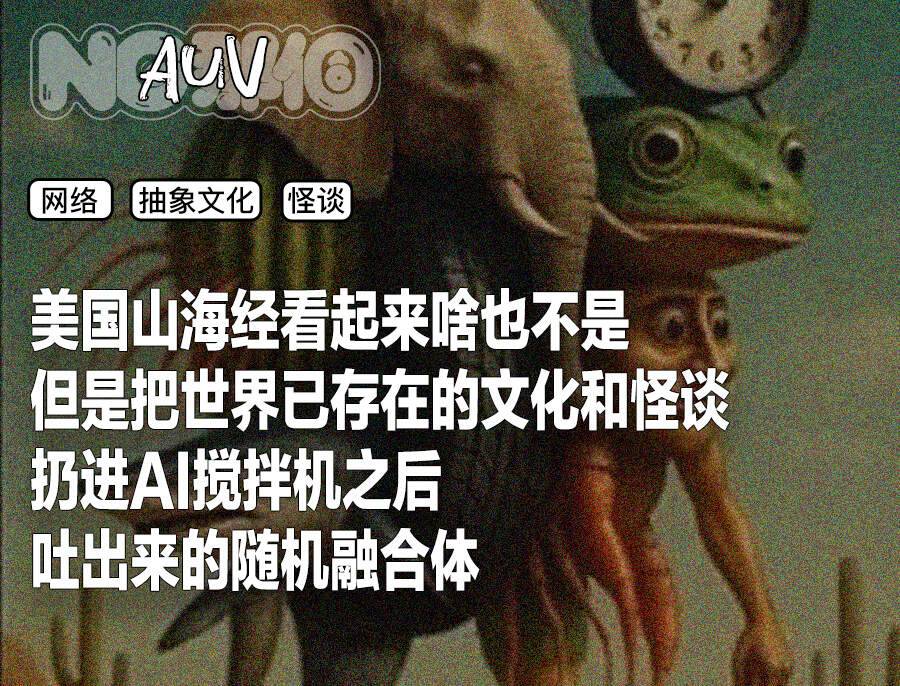
Core Viewpoint - The article discusses the rise of abstract and surreal content on social media, particularly focusing on the phenomenon of "Italian Brainrot Animals," which are AI-generated absurd images that have gained significant popularity online [4][11][21]. Group 1: Overview of "Italian Brainrot Animals" - "Italian Brainrot Animals" refers to bizarre, AI-generated creatures that combine elements of surrealism, including animals, everyday objects, and imaginative components, often presented with Italian-themed names and voiceovers [11][21]. - The most popular character, Tung Tung Tung Sahur, has garnered over 7.4 million views and 5 million likes on TikTok, indicating a strong engagement with this content [11][12]. - The trend has also permeated into various forms of media, including YouTube, where numerous derivative videos have emerged, showcasing the character in various humorous scenarios [12][16]. Group 2: Cultural and Psychological Implications - The creation of these brainrot animals reflects a blend of existing cultural myths and urban legends, with their absurdity drawing on elements of horror and folklore [21][23]. - The phenomenon taps into the "uncanny valley" theory, where human-like features in non-human entities evoke discomfort and fear, contributing to the eerie appeal of these creatures [51][78]. - The article suggests that the rapid generation of such content by AI raises questions about authenticity and the nature of creativity, as these images lack deeper meaning or thought processes [70][72]. Group 3: Social Media Dynamics - The article highlights how social media platforms have transformed the way urban legends and horror stories are disseminated, moving from traditional storytelling to AI-generated content that can spread rapidly [55][80]. - The phenomenon of brainrot animals exemplifies a new form of internet culture where absurdity and randomness dominate, leading to a unique blend of entertainment and potential misinformation [86][90]. - The engagement with these characters often leads to a disconnect between the audience's understanding of the content and the underlying messages, creating a space for both humor and darker interpretations [85][88].
美国山海经,赛博时代的新型怪谈
Hu Xiu· 2025-05-03 02:16
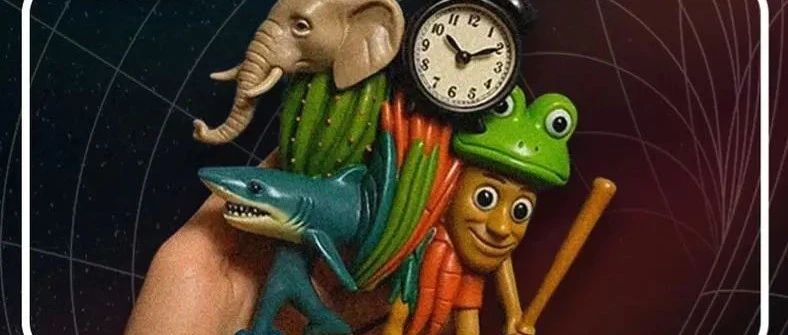
Core Viewpoint - The article discusses the emergence of a new phenomenon in the digital landscape, referred to as "American Shan Hai Jing" and "brain rot animals," which are AI-generated absurd images and videos that have gained significant popularity on social media platforms like TikTok and YouTube [1][6][28]. Group 1: Overview of Brain Rot Animals - Brain rot animals, also known as Italian Brainrot Animals, are absurd creatures created using AI, combining elements of animals, everyday objects, and surreal components, often presented with Italian names and accents [6][15]. - The most popular character, Tung Tung Tung Sahur, has garnered over 7.4 million views and 5 million likes on TikTok, showcasing the viral nature of this trend [6][10]. - These creations reflect a blend of urban legends and cultural references, with their absurdity resonating with audiences, leading to various adaptations and memes [17][28]. Group 2: Cultural and Psychological Implications - The phenomenon taps into deep-seated fears and cultural narratives, with characters like Tung Tung Tung Sahur drawing from religious and mythological elements, creating a sense of familiarity and discomfort [15][17]. - The article highlights the "uncanny valley" effect, where the human-like features of these creatures evoke fear due to their near-human appearance [42][30]. - The rise of brain rot animals signifies a shift in how urban legends and horror narratives are created and disseminated, moving from traditional storytelling to AI-generated content [45][46]. Group 3: Critique of AI-Generated Content - There is a growing concern regarding the lack of depth and creativity in AI-generated content, with critics arguing that such creations lack genuine thought and emotional resonance [52][56]. - The article references historical perspectives on the impact of technology on creativity, noting that figures like Hayao Miyazaki have criticized AI for undermining the artistic process [53][56]. - The phenomenon raises questions about the future of storytelling and the potential for AI to create narratives that blur the lines between reality and fiction, leading to a new form of digital folklore [62][63].