肺癌早筛

Search documents
新型试剂盒能捕捉早期肺癌“分子信号”
Ke Ji Ri Bao· 2026-01-27 09:38
Core Insights - The research team led by Hu Haike at the Hangzhou Institute of Medicine has developed the world's first diagnostic kit for distinguishing between benign and malignant lung nodules, which has received regulatory approval as a Class III medical device in China [1][2] - Lung cancer remains the most prevalent and deadly cancer in China, with approximately 150 million people suffering from lung nodules, of which over 95% are benign [1] Group 1: Product Development - The team has focused on early lung cancer diagnosis since 2016, utilizing tumor-specific antibody detection technology to identify specific biomarkers [2] - They have screened over 400 key proteins related to early lung cancer using high-throughput screening techniques and artificial intelligence, resulting in a combination of 13 optimal diagnostic markers, including 8 novel markers [2] Group 2: Clinical Testing and Performance - The diagnostic kit was tested in multiple hospitals, involving 1,463 patients with lung nodules, of which 794 were lung cancer cases, with early-stage lung cancer samples accounting for 58.19% [2] - The kit demonstrated a sensitivity of over 65% for early lung cancer detection, significantly outperforming traditional tumor markers, and can increase diagnostic accuracy for atypical small nodules to over 85% when used alongside low-dose spiral CT [2] Group 3: Market Potential - The diagnostic kit is expected to be launched in the market after the Spring Festival, providing crucial support for China's "Healthy China 2030" cancer early screening strategy [2]
【科技日报】新型试剂盒能捕捉早期肺癌“分子信号”
Ke Ji Ri Bao· 2026-01-27 02:24
Core Insights - The research team led by Hu Haike from the Hangzhou Institute of Medicine has developed the world's first diagnostic kit for distinguishing between benign and malignant lung nodules, which has received regulatory approval as a Class III medical device in China [1][2] - Lung cancer remains the most prevalent and deadly cancer in China, with approximately 150 million people suffering from lung nodules, of which over 95% are benign [1][2] Group 1 - The diagnostic kit is expected to significantly improve early detection rates of lung cancer, addressing a critical challenge in reducing lung cancer mortality [2][3] - The team has focused on the early diagnosis of lung cancer since 2016, utilizing a large cancer tissue library and advanced screening technologies to identify specific biomarkers [2] - The kit has shown a sensitivity of over 65% for early lung cancer detection, with an accuracy rate exceeding 85% when used alongside low-dose spiral CT for atypical small nodules [2] Group 2 - The kit is anticipated to be launched in the market after the Spring Festival, providing essential support for China's "Healthy China 2030" cancer early screening strategy [3]
肺癌早期难以察觉,出现这些症状要警惕!医生提醒→
Sou Hu Cai Jing· 2025-11-17 09:16
Core Points - The article emphasizes the importance of early screening and standardized clinical diagnosis for lung cancer, which is the most prevalent and deadly malignant tumor in China [1] - It highlights the typical symptoms of early-stage lung cancer and identifies high-risk groups [2] Group 1: Lung Cancer Overview - Lung cancer originates from bronchial mucosa or glands and is mainly classified into small cell lung cancer (SCLC) and non-small cell lung cancer (NSCLC), with NSCLC being more common and having a relatively better prognosis [1] - Early-stage lung cancer often presents with subtle symptoms, making it difficult to detect [1] Group 2: Symptoms and Detection - Typical symptoms of lung cancer include persistent cough, sputum production, blood-streaked sputum, and dry cough without phlegm, which may not respond to common cough medications [1] - Atypical symptoms such as hoarseness, back pain, or leg pain may indicate lung cancer with bone metastasis, particularly in cases of small cell lung cancer [1] Group 3: High-Risk Groups - Individuals aged 50 to 80 years are considered high-risk for lung cancer, with smoking history being a significant risk factor, particularly for those with a smoking history of 20 pack-years [2] - Other risk factors include pre-existing lung conditions like chronic obstructive pulmonary disease (COPD) or tuberculosis, exposure to secondhand smoke, and occupational hazards involving asbestos, dust, and metal particles [2] - Family history of lung cancer also increases the likelihood of developing the disease [2]
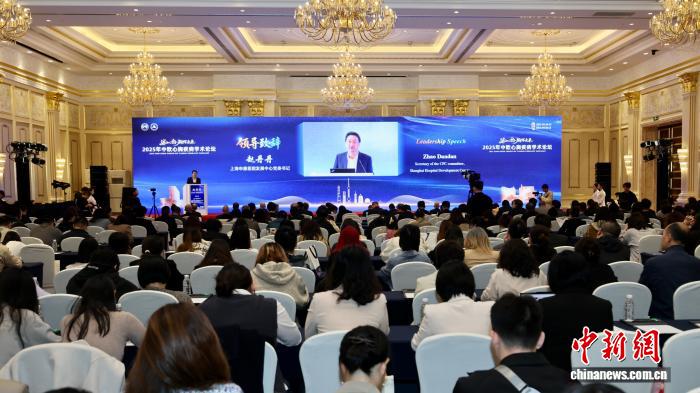
中欧专家在沪聚焦心胸疾病前沿进展 专家:中国创新药发展药政改革功不可没
Zhong Guo Xin Wen Wang· 2025-10-24 13:42
Core Insights - The article highlights the significant achievements of China in the field of new drug development, attributing these successes to the 2015 reform of the drug review and approval system, which has integrated China's clinical research into global multi-center studies [1] - The 2025 European Society for Medical Oncology (ESMO) conference showcased numerous Chinese experts and their research, indicating a growing international collaboration and interest in Chinese innovative pharmaceuticals [1] - The 2025 Sino-European Academic Forum on Thoracic Diseases emphasizes the importance of cross-cultural collaboration and the sharing of clinical practices and innovations between China and Europe [2] Group 1: Drug Development and Innovation - The 2015 drug policy reform has been pivotal in enhancing China's capabilities in clinical research and drug development, leading to significant advancements in treatment options for various diseases [1] - Chinese innovative pharmaceutical companies are increasingly engaging in international licensing collaborations, with high-quality data disclosure being a critical foundation for these partnerships [1] Group 2: Academic Forum Highlights - The 2025 Sino-European Academic Forum focuses on three main themes: local innovation and clinical practice, global advancements and technological breakthroughs, and cross-cultural collaboration in future medicine [2] - Prominent Chinese scholars presented on topics such as vascular disease treatment strategies and precision lung cancer therapy, showcasing China's achievements in clinical practice and research translation [2] Group 3: Clinical Practices and Technologies - The forum included discussions on the differences in lung cancer early screening practices between China and European countries, highlighting China's proactive approach in early diagnosis [5] - The use of surgical robots in thoracic surgery was emphasized as a means to enhance precision and reduce complications, with potential for remote medical applications and AI-driven surgical procedures in the future [6] - The integration of traditional Chinese medicine with modern oncology practices was explored, focusing on improving patient quality of life and addressing adverse reactions to targeted therapies [6]